
Samer Choucair: Jefaira Establishes a New Model for Gulf Capital Investment on Egypt’s North Coast
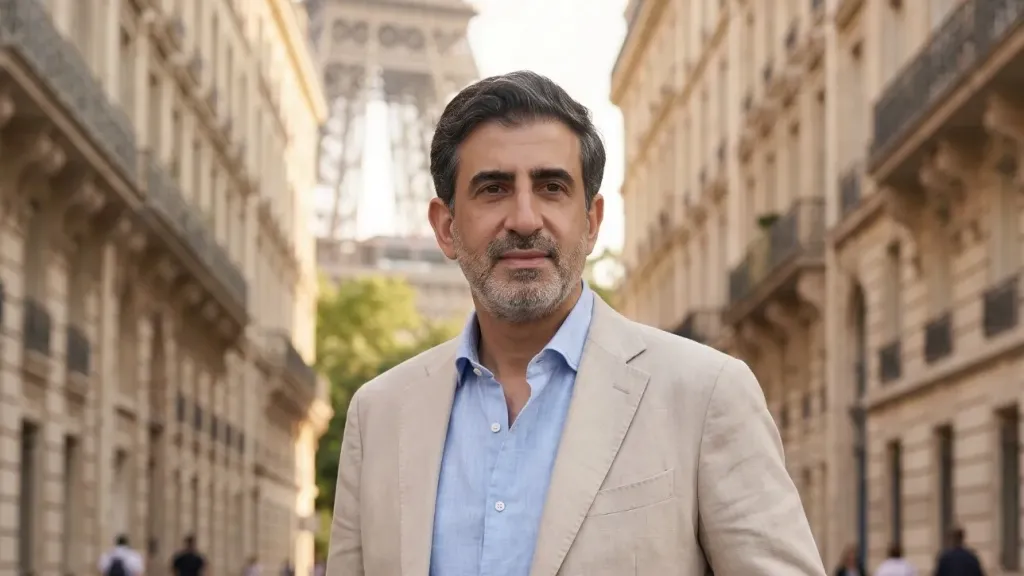
Investment leader Samer Choucair said that the anticipated deal to develop a plot of land in the Jefaira area on Egypt’s northwestern coast, valued at approximately EGP 135 billion, equivalent to around $2.7 billion, reflects an important shift in the way Gulf capital is flowing into the Egyptian market.
Choucair explained that the agreement, which aims to develop a tourism and hospitality project on an area of approximately 642 feddans, includes payment for the land over six years, in exchange for the Egyptian side receiving an annual share ranging between 20% and 30% of the project’s revenues, in addition to an in-kind share of hotel units.
Samer added that the partnership structure represents an evolution in deal structuring, as the focus has shifted from the direct sale of assets toward long-term partnerships that allow the government to meet its financing needs while retaining a share of future returns.
A New Deal Amid an Economic Transformation
Samer Choucair noted that the agreement comes at a time when Egypt is seeking to strengthen its sources of foreign currency and reduce pressure on external debt, alongside real GDP growth of around 5% in the recent period and a decline in annual inflation to levels approaching 12% in some readings, despite continued challenges related to energy prices and base effects. Choucair said the land is owned by the National Investment Bank under a presidential decree issued in 2023 as part of a debt-settlement arrangement, while the New Urban Communities Authority was authorized to select investment offers under a partnership model.
He explained that the Emirati investor, whose identity has not yet been disclosed, had paid EGP 100 million as a booking deposit after being awarded the project approximately two months earlier, while government authorities were completing the legal procedures ahead of an expected signing before the end of 2026.
From Selling Land to Building Cash Flows
Samer Choucair said the Jefaira structure reflects a qualitative evolution in the way governments manage strategic coastal assets, explaining that the state is no longer viewing land solely as an asset that can be immediately monetized, but rather as a foundation for generating long-term cash flows linked to the project’s actual performance.
He added that the government’s receipt of an ongoing share of revenues, alongside deferred payment for the land, creates a structure that aligns the interests of both parties with the success of the tourism and operating project.
Choucair noted that the government’s in-kind share of hotel units also provides a tangible asset that can be used in the future to strengthen its asset portfolio or generate additional revenues.
The North Coast Is Becoming a Strategic Asset
Samer Choucair said the Jefaira deal follows the structural transformation witnessed along Egypt’s northwestern coast since the Ras El Hekma deal, which had a total value of approximately $35 billion. He noted that the area is gradually shifting from traditional seasonal resorts into a hub for integrated urban and tourism projects targeting higher-end tourism and real estate investment.
Samer explained that Jefaira’s location near Ras El Hekma enhances the significance of the deal, as it signals continued demand from Emirati capital for Mediterranean coastal sites.
He added that developing the project in parallel with payments for the land reduces execution-delay risks and makes government returns dependent on the project’s operating performance rather than simply on the sale of the land.
Gulf Investors Favor Long-Term Partnerships
Samer Choucair said the deal reflects a change in Gulf investors’ view of the Egyptian market, explaining that institutional investors are increasingly viewing the North Coast as a strategic long-term asset rather than a short-term real estate opportunity.
He said the government’s continuing stake creates alignment of interests between the state and the investor, which he considers a positive factor for sovereign wealth funds and institutional investors that tend to favor sustainable partnerships over outright acquisitions.
New Opportunities for Gulf Capital
Choucair explained that the deal is particularly significant for sovereign wealth funds, asset managers, and Gulf family offices seeking to diversify their portfolios beyond traditional markets.
He added that Egypt, despite competition from Saudi Arabia’s Vision 2030 projects for capital in tourism, entertainment, and luxury real estate, continues to benefit from Mediterranean coastal locations, relatively lower entry costs, and the ability to structure flexible partnership deals.
Samer noted that the success of the Jefaira model could encourage additional similar transactions in other parts of the North Coast and the Red Sea, particularly as regional demand for luxury tourism destinations continues to grow.
He also expected the involvement of an Emirati investor to enhance the prospects of attracting additional financing or operating partnerships with global hospitality groups.
Real Estate Capital Needs a Broader Economic Impact
He cautioned against excessive focus on large-scale real estate transactions without linking them to broader improvements in productivity and non-oil exports.
He said capital has been flowing toward scarce assets benefiting from structural demand, but long-term sustainability is achieved when investment flows become engines of growth across multiple sectors. He noted that institutional investors are no longer assessing projects solely on their direct returns, but are also evaluating their impact on local supply chains, skilled employment, and related logistics infrastructure.
Foreign-Currency Gains and Execution Risks
Samer Choucair said the key opportunities presented by the deal include gradually strengthening foreign-currency reserves through annual payments, creating direct and indirect employment in construction, tourism, and services, and increasing the overall value of the North Coast through integrated development.
He added that the government’s continuing stake could reduce criticism surrounding the idea of “asset sales” and give the state an opportunity to participate in any potential increase in the project’s value as development progresses.
Samer explained that risks include the possibility of changes to the participation ratios or final valuation before signing, as indicated by officials, in addition to the execution challenges associated with major projects in an environment that continues to face inflationary pressures and relatively high financing costs.
He also noted that increasing reliance on Gulf capital in the real estate sector raises questions about the diversification of foreign direct investment sources over the long term.
A Repricing of Coastal Assets
Samer Choucair concluded that the Jefaira deal signals the continued importance of Egypt’s North Coast as a major destination for Gulf investment in the coming years, particularly through partnership models that combine financing with operating returns.
Choucair said markets will closely monitor the identity of the final investor and the details of the contracts, as these factors will determine the level of transparency and governance and influence the valuation of subsequent transactions.
He emphasized that the broader trend goes beyond the deal itself, explaining that what is taking place in the region represents a gradual repricing of coastal assets, whereby governments retain their long-term strategic value while Gulf capital receives returns linked to the actual performance of projects rather than short-term speculation.
Samer noted that this balance will be a key factor in determining the direction of institutional investment flows during 2026 and beyond, stressing that high-quality tourism and real estate assets in scarce locations will continue to attract long-term capital, provided their financial structures meet requirements for transparency, governance, and sustainable returns.