
Samer Choucair: OpenAI Is Redrawing the Personal Computing Landscape and Redirecting Capital Toward Smart Device Ecosystems
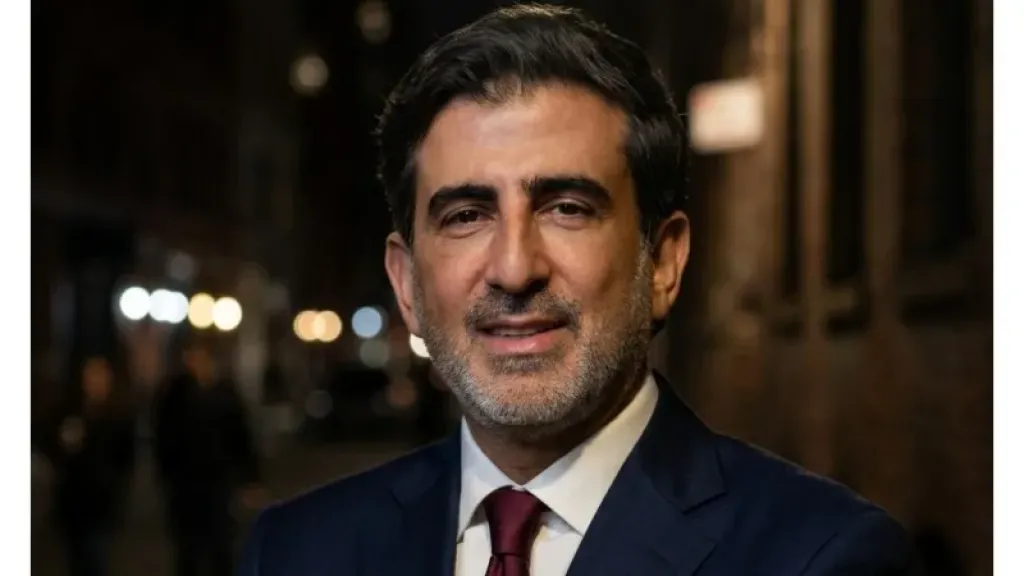
Investment leader Samer Choucair said OpenAI’s entry into the hardware market represents a structural shift in the personal computing landscape, noting that the move by artificial intelligence companies from developing models and software toward owning the physical interface through which users interact with technology every day is reshaping capital-allocation strategies and creating a new layer of investment opportunities across semiconductors, components, manufacturing, software, and cloud services.
Choucair explained that OpenAI is entering a new phase of its strategy by working on a range of devices built around AI agents, beginning with a first screen-free device designed in collaboration with Jony Ive, with broader plans reportedly including a phone centered on AI agents rather than the traditional app-based model.
He noted that this move comes as the global race to build AI infrastructure accelerates and capital requirements rise. Institutional investors increasingly view control over the physical interface as a strategic step toward securing long-term revenue streams and reducing dependence on third-party operating systems.
Samer Choucair said the potential impact of this shift extends well beyond technology companies, reaching global supply chains, semiconductor stocks, smartphone business models, and cloud-service providers, as well as companies capable of integrating into the emerging AI-agent ecosystem.
He pointed out that in an environment where computing demand is expected to remain elevated for years, the personal device becomes a strategic point of contact that cannot be overlooked—particularly as AI moves from simply providing answers toward executing tasks and maintaining continuous interaction with users.
Choucair said agent-based devices offer an alternative model centered on intent and tasks rather than traditional interfaces, which could reshape consumer spending patterns and productivity over the medium term if these devices succeed in delivering a practical experience superior to current models.
He added that this transition comes at a time when global markets are facing fluctuations in interest rates and inflation expectations, encouraging investors to become more selective in allocating capital toward companies and investment narratives with long-term strategies and a clear ability to convert technology into sustainable products and revenues.
Choucair noted that companies capable of transforming their AI-model capabilities into tangible products are attracting growing interest from sovereign wealth funds and asset managers, because owning a direct distribution channel can fundamentally alter valuation and growth dynamics.
He added that OpenAI is also working in parallel on an AI-agent-based phone project, with potential partnerships involving MediaTek, Qualcomm, and Luxshare. The core concept, he explained, is to replace the traditional app ecosystem with an agent-driven interface capable of executing tasks end-to-end, either on the device or through the cloud.
Choucair said the success of such a model could significantly weaken the traditional power of app stores while reshaping the competitive dynamics of the smartphone market, which is dominated by companies such as Apple and Samsung.
At the same time, Choucair noted that OpenAI faces significant challenges. Previous attempts to launch standalone AI devices have failed to achieve the expected commercial success, while barriers to entry in the smartphone market remain extremely high. Those barriers extend beyond hardware to include software, services, networks, and developer ecosystems.
Choucair emphasized that the scale of ChatGPT’s user base gives OpenAI a unique distribution advantage that could help it overcome some of these barriers, particularly if it can convert its existing user base into a customer base for new devices.
Samer Choucair said that controlling the physical interface is no longer a luxury for leading AI-model companies, but a strategic necessity for securing stable cash flows and reducing the risks associated with dependence on third-party platforms.
He added that institutional investors are now monitoring not only the progress of AI models, but also companies’ ability to build complete ecosystems extending from the chip to the user’s everyday experience.
Hybrid Computing Creates New Investment Opportunities
Samer Choucair said the most compelling opportunities could emerge from companies capable of delivering hybrid solutions that combine on-device computing with cloud computing, supported by long-term subscription-based business models.
He noted that institutional investors are increasingly focused on companies’ ability to control the value chain—from components and infrastructure, through models and software, all the way to the final point of interaction with consumers.
Choucair added that sovereign wealth funds and innovation-focused institutions could find new opportunities through manufacturing or research partnerships associated with this emerging wave, either by attracting foreign direct investment or by developing regional supply chains capable of serving both domestic and international markets.
He explained that growing demand for smart devices could also support adjacent industries, including logistics, manufacturing, and digital services, making the impact of the transformation broader than the technology sector itself.
Building a local ecosystem capable of supporting smart devices and AI agents, Choucair said, could contribute to the development of human capital and increase demand for specialized technical skills, while also creating opportunities for startups developing services compatible with the new technological architecture.
From AI Models to Full Technology Ecosystems
From an institutional-investment perspective, Choucair said, OpenAI’s entry into hardware represents a significant moment in the evolution of the digital economy.
Capital, he argued, will increasingly look beyond companies developing advanced AI models and toward businesses capable of integrating into the broader ecosystem—whether through semiconductors, manufacturing, supporting software, or cloud services.
He emphasized that the next phase of competition will not simply be a race between AI models. It will increasingly be a competition over who controls the user’s daily point of interaction with technology.
Investors who recognize this structural shift early, Choucair said, will be better positioned to allocate capital toward opportunities capable of creating sustainable value across future economic cycles.
Samer Choucair concluded that the success of AI-agent-based devices will not be measured solely by the number of units sold, but by their ability to change user behavior, generate recurring revenue, and create integrated technology ecosystems connecting hardware, AI models, cloud infrastructure, and services.