
Samer Choucair: Ant Queens Become a Commodity, Revealing a Hidden Cross-Border Economy
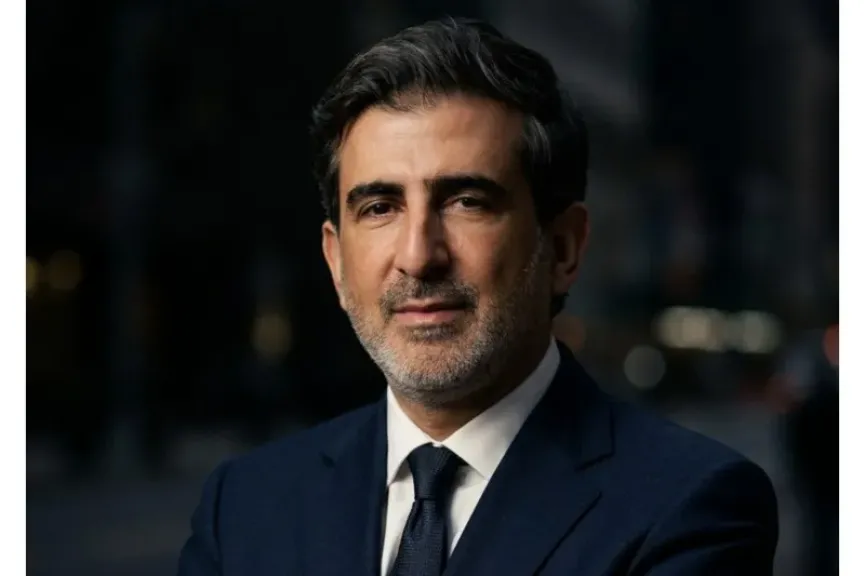
Investment leader Samer Choucair said that the trade in African ant queens, particularly the Messor cephalotes species, reveals a growing niche market centered around exotic animals and insects, while also highlighting regulatory gaps in cross-border supply chains.
Choucair explained that a single queen of this species, commonly known as the giant African harvester ant, can sell for approximately $130 to $220 in international markets, according to recent reports. In Kenya, authorities seized a shipment in 2025 containing approximately 5,000 queens, concealed inside more than 2,200 modified tubes and containers. Authorities described the incident as an example of a new trend in illegal wildlife trafficking. The shipment was estimated to be worth about 1 million Kenyan shillings, or approximately $7,700, on the local market.
Choucair noted that the significance of the case lies not only in the direct financial value of the seized shipment, but also in the substantial gap between source-market prices and the prices these queens can command among hobbyists and breeders in Europe and Asia. This creates an economic incentive for smuggling and makes small organisms part of an informal cross-border economy.
He added that Kenyan law prohibits the export or trade of wildlife without a permit, and that penalties for exporting species that are not classified among the most highly protected categories can reach a fine of at least 20 million Kenyan shillings or a prison sentence of at least 10 years. This demonstrates that authorities no longer view this trade as a marginal activity.
A Lesson in the Risks of Gray Markets
Choucair believes the phenomenon offers an important lesson for investors about the risks associated with gray markets. The wider the gap between prices and the greater the differences in regulations between source and destination countries, the stronger the incentives to redirect capital toward activities offering high returns but carrying significant legal and environmental risks.
He pointed out that the risks extend beyond biodiversity depletion. Ants play important ecological roles in soil ecosystems and seed collection. European cases have also shown that invasive species from North Africa, such as Tapinoma magnum, can cause infrastructure damage and temporary disruptions to electricity and telecommunications in cities such as Kiel, Germany.
Choucair emphasized that the expansion of e-commerce for exotic animals calls for smarter regulatory tools, including greater integration between customs authorities, logistics networks, and environmental regulators. He argued that investors are likely to place increasing value on companies capable of demonstrating safe, compliant, and environmentally responsible supply chains, while opportunities may also emerge in biological detection technologies and invasive-species management.
Choucair concluded that the story of ant queens is more than an unusual market phenomenon. It is a small-scale example of how new markets can emerge when specialized demand meets price disparities and regulatory gaps—making the monitoring of such markets an increasingly important part of understanding risks and opportunities in the global economy.