
Samer Choucair: Taif Offers a New Investment Model for Regional Tourism Destinations
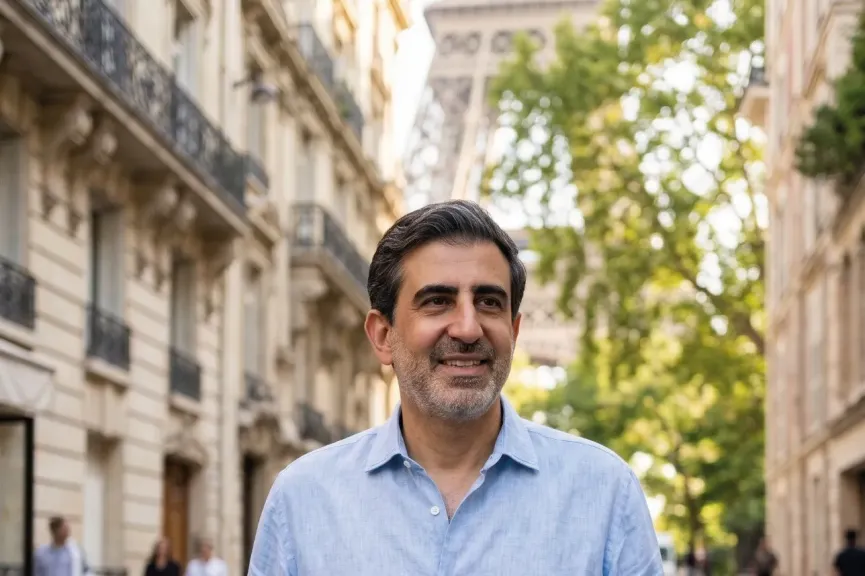
Investment strategist Samer Choucair said that the tourism revival in Taif Governorate during the summer of 2026 reflects a broader transformation in the structure of the Saudi economy, with tourism, entertainment, and related sectors making an increasingly important contribution to non-oil growth.
He emphasized that the next phase will create investment opportunities extending beyond mega tourism projects to include regional destinations that combine strong domestic demand with scalable infrastructure.
Choucair explained that Taif’s tourism sector recorded notable growth during the summer of 2026, driven by expanding investment and higher consumer spending. Entertainment spending increased by 25% year on year to SAR 27.2 million in June, compared with approximately SAR 21.7 million during the same period a year earlier.
He noted that this performance goes beyond traditional seasonality and reflects a structural shift in spending patterns within the Saudi economy, particularly as demand for entertainment experiences, accommodation, and tourism-related services continues to expand.
Choucair said these indicators represent early signals for institutional investors and sovereign wealth funds of opportunities in hospitality, entertainment, transportation, and related services, within the framework of Vision 2030, which has raised the Kingdom’s target to 150 million visitors by the end of the decade.
He stressed that allocating capital toward regional destinations with natural attractions and scalable infrastructure could generate sustainable returns, particularly as domestic tourism continues to expand and the local demand base broadens.
Tourism Growth Reflects a Shift in the Non-Oil Economy
Choucair explained that the tourism recovery in Taif comes at an important time for the Saudi economy, as the tourism sector continues to increase its contribution to non-oil GDP.
He noted that total tourism spending in Saudi Arabia reached approximately SAR 304 billion in 2025, while the 25% increase in entertainment spending in Taif to SAR 27.2 million in June confirms that a growing share of domestic consumption is being directed toward more diverse entertainment and accommodation experiences.
Choucair said these figures should not be viewed as isolated monthly indicators, but rather as part of a broader redistribution of consumer spending within the Kingdom. This, he argued, requires institutional capital to reassess opportunities in regional tourism destinations.
He added that investors are now facing a more diversified tourism market that is no longer dependent solely on coastal destinations or major cities, but increasingly includes areas with natural, climatic, and cultural characteristics that can be transformed into scalable tourism products.
Taif Is Becoming an Integrated Tourism Ecosystem
Choucair pointed out that tourism growth in Taif is being supported by a combination of natural attractions and public and private investment.
He explained that the number of tourism establishments and related activities increased to 124, including the addition of 23 new restaurants. Meanwhile, total sales transactions in the governorate exceeded 25 million in June, with total sales reaching SAR 1.3 billion.
Air transportation recorded the strongest growth in sales value, rising by 33%, followed by entertainment and culture at 12.8%, and hotels at 11.2%.
According to Choucair, the distribution of growth across these sectors demonstrates that tourism demand in Taif is no longer limited to traditional hotel accommodation. Instead, it increasingly extends across an integrated ecosystem encompassing transportation, entertainment, culture, restaurants, and visitor-related services.
He noted that this type of growth increases the attractiveness of investing across the tourism value chain, allowing investors to benefit from demand growth across multiple activities rather than relying on a single source of revenue.
Domestic Tourism Supports Investment Opportunities
Choucair explained that the local trend is consistent with the broader national picture. During the first quarter of 2026, Saudi Arabia recorded approximately 37.2 million tourism trips, generating total spending of SAR 82.7 billion, driven primarily by domestic tourism, which increased by 16%.
He noted that these figures come as Saudi Arabia raises its Vision 2030 tourism target to 150 million visitors, after surpassing the original target of 100 million visitors ahead of schedule.
«“Growth in regional destinations such as Taif is not simply an increase in hotel occupancy. It reflects a repricing of tourism assets based on sustainable domestic demand, requiring institutional investors to reassess their portfolios beyond exclusive reliance on major coastal destinations.”»
Choucair emphasized that continued growth in domestic tourism gives regional destinations a more stable demand base and can reduce reliance on limited tourism seasons, provided that products, services, and infrastructure are developed in line with visitor needs.
New Projects Strengthen Capacity
Choucair said the Taif Municipality has launched six investment projects aimed at increasing tourism capacity and diversifying the destination’s tourism offering.
These include the development and operation of King Fahd Park, Al-Sanabel Park, and a wellness resort in Al-Hada.
He noted that the projects also include the Al-Othaim Hills development on the Al-Hada Road, covering approximately 250,000 square meters and featuring an amusement park, adventure areas, commercial facilities, and entertainment venues.
Other initiatives include an eco-tourism camp in Al-Shafa, Tanal Village, and the national park in the Al-Hada and Al-Shafa areas.
Choucair explained that these projects align with the Public Investment Fund’s strategy, which places tourism, travel, and entertainment among its six key sectors for the 2026–2030 period.
He emphasized that the diversity of the proposed projects—including entertainment, wellness, ecotourism, and commercial facilities—could broaden the destination’s demand base and attract different visitor segments, strengthening the investment case for specialized tourism products.