
Samer Choucair: Privatization of 27 Clubs Opens a New Chapter for Capital in Saudi Sports
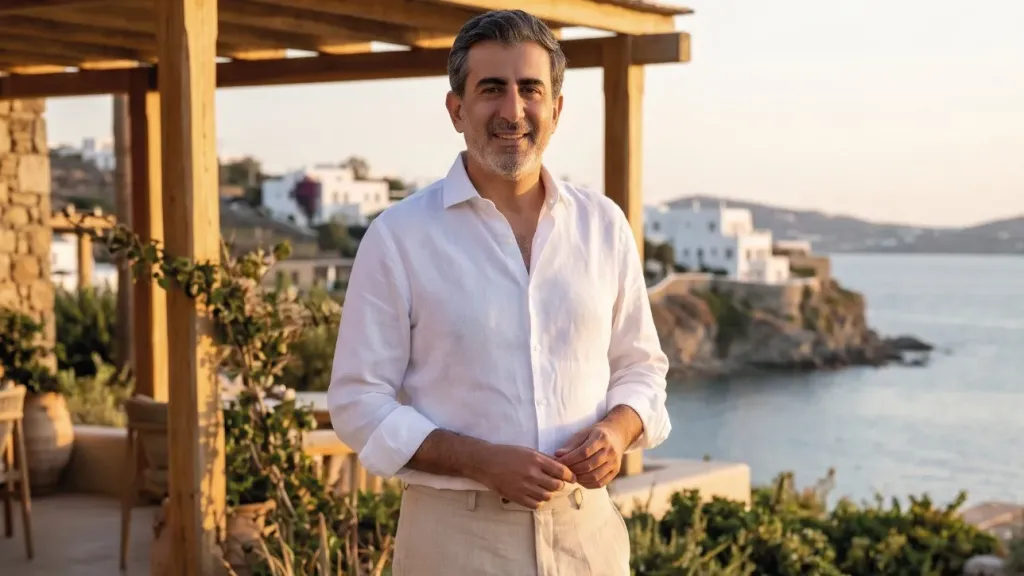
Investment strategist Samer Choucair said Saudi Arabia’s sports sector is entering a new phase of capital allocation, as the club ecosystem gradually shifts from a model heavily reliant on government support and foundational investment toward one centered on governance, commercial revenues, and measurable value. He noted that the success of the next phase will not be measured solely by spending on players, but by clubs’ ability to transform that spending into sustainable assets and recurring revenues.
Choucair explained that the Sports Investment and Privatization Project, launched in 2023, has undergone rapid developments. Al Hilal, Al Nassr, Al Ittihad, and Al Ahli were converted into companies 75% owned by the Public Investment Fund (PIF), while nonprofit entities retain the remaining 25%. Ownership of other clubs was transferred to national entities, including Al Qadsiah to Saudi Aramco, Al-Diriyah to the Diriyah Gate Development Authority, AlUla to the Royal Commission for AlUla, and Al-Suqoor to NEOM. By June 2026, the privatization of 27 clubs had been completed through multiple stages.
Choucair noted that the sale of a 70% stake in Al Hilal Club Company to Kingdom Holding represents an important signal that the ecosystem is entering a phase of capital recycling. The transaction valued the entire company at SAR 1.4 billion, compared with an equity value of SAR 1.2 billion. The deal underscores the Public Investment Fund’s objective of maximizing returns and redeploying capital within the Saudi economy while continuing to support the club’s growth.
According to Choucair, the transaction sends a broader message to investors: Saudi football clubs are increasingly becoming investable assets that can be assessed based on governance, commercial performance, and brand strength—not solely on sporting results or fan base size.
He added that the next phase will require clubs to increase their internally generated revenues through sponsorships, broadcasting rights, ticket sales, licensed merchandise, and hospitality, alongside the development of academies and investment in local talent. This would allow clubs to build scalable sporting assets while reducing their reliance on external funding.
Choucair emphasized that institutional investors will increasingly focus on indicators such as commercial revenue growth, player-spending efficiency, management of contractual liabilities, the ability to create value through player development and transfers, as well as the quality of financial disclosure and corporate governance.
He also pointed out that investment opportunities extend well beyond club ownership to include sports infrastructure, sports technology, media and broadcasting, sponsorship, e-commerce, and hospitality linked to matches and sporting events. As the sector continues to develop under Saudi Vision 2030, this broader ecosystem could attract increasingly diverse and specialized private capital.
Choucair concluded that the future of investment in Saudi sports will not be determined by the largest transfer deal or the highest player salary, but by management’s ability to build a repeatable financial model and convert fan engagement, content, and sporting performance into measurable revenues and valuable assets.
He said the transition from a phase of foundational spending to one focused on value creation will be the real test of whether Saudi Arabia’s sports boom can become sustainable and continue to attract institutional capital.