
Samer Choucair: Tether’s Shift Toward Gold Reflects a Structural Change in Capital Allocation
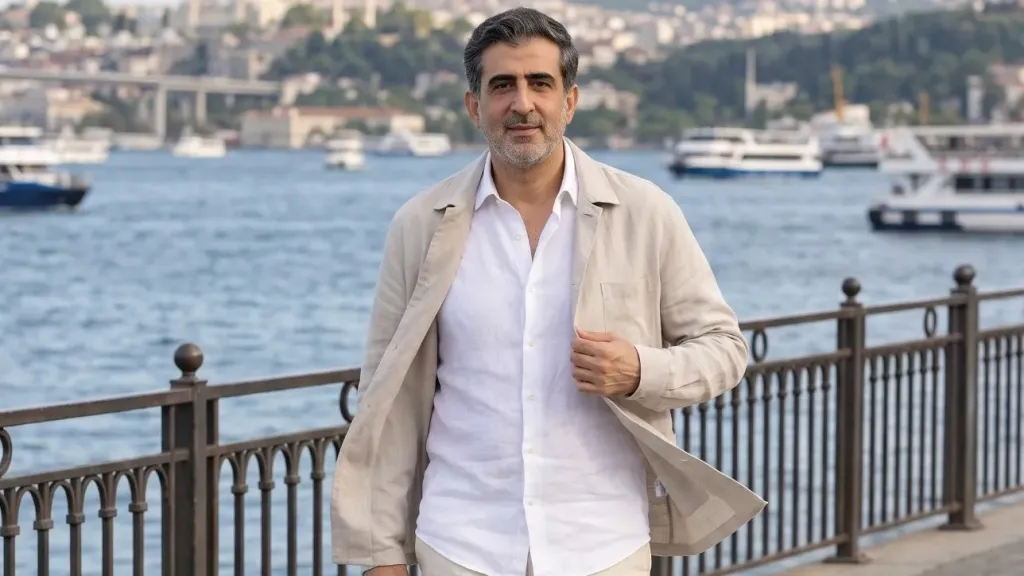
Investment strategist Samer Choucair said that Tether’s decision to increase its gold holdings during the second quarter of 2026 represents an important signal of a structural shift in capital-allocation and reserve strategies among major digital financial entities.
He noted that the entry of private digital capital into the gold market at this scale is reshaping the nature of demand for the precious metal and reflects a reassessment of the risks associated with paper assets amid rising geopolitical and financial risks.
Samer Choucair explained that Tether, the issuer of the world’s largest dollar-linked stablecoin, USDT, purchased 14 metric tons of physical gold during the second quarter of 2026, bringing its total gold reserves to more than 146 tons, worth approximately $18.8 billion at the end of June.
Choucair pointed out that the move came at a time when gold prices experienced a sharp decline of around 14% to 15% during the quarter, amid inflationary pressures stemming from the conflict in the Middle East and rising bond yields. He noted that Tether has consequently become the largest known private holder of gold outside central banks and sovereign states.
Samer Choucair said these developments represent a clear indication that private digital capital is emerging as a new structural force in the precious-metals market. From an institutional-investment perspective, he added, this shift reflects a reassessment of the risks associated with paper assets in an increasingly volatile geopolitical environment, while also raising important questions about the future direction of capital flows toward hard assets.
Choucair added that Tether’s purchases highlight the ongoing transformation in reserve strategies among private-sector entities whose financial scale is approaching sovereign-like dimensions. He noted that continued USDT issuance above $184 billion, combined with net operating profits of $1.5 billion during the same quarter, underscores Tether’s ability to generate returns from its portfolio of U.S. Treasury securities while redirecting part of its surplus into physical gold.
Samer Choucair said: “These decisions represent a deliberate reallocation of capital toward assets that cannot be easily frozen or directly sanctioned, in a world where the risks of geopolitical fragmentation are increasing.”
The Economic and Geopolitical Context
Samer Choucair explained that the Iran war, which began in late February 2026, quickly pushed energy prices higher and increased inflation expectations. However, gold followed a different path from its traditional pattern of rising as a safe-haven asset during periods of crisis.
He noted that higher U.S. bond yields and a relatively strong dollar increased the opportunity cost of holding a non-yielding asset, contributing to significant pressure on gold prices.
Choucair pointed out that gold prices fell from levels near $5,600 per ounce in January to around $4,000 by the end of June, marking one of the metal’s worst quarters since 2013.
He said Tether chose to accelerate its gold purchases in this environment after buying only six tons during the first quarter, explaining that this countercyclical behavior reflects a belief that a price correction creates an opportunity for strategic accumulation.
Choucair added that gold currently represents approximately 10% of Tether’s total reserves of nearly $187.8 billion, while the company reduced its exposure to secured lending by approximately $2.38 billion and maintained its position as one of the largest individual buyers of U.S. Treasury securities.
Samer Choucair explained that combining continued exposure to U.S. sovereign debt instruments with increased gold holdings reflects an effort to diversify the composition of reserves so that the portfolio does not rely entirely on financial assets vulnerable to changes in interest rates, geopolitical conditions, or restrictions on capital flows.
Market Shifts and the Emergence of Non-Traditional Buyers
Samer Choucair said central banks are no longer the only institutions creating structural demand for gold. In recent years, he noted, non-traditional buyers with sufficient financial capacity to influence precious-metals markets have emerged.
Choucair explained that Tether’s purchases have, at certain points, exceeded those of most individual central banks, with Poland representing one notable exception. He added that when Tether’s total holdings are compared with certain sovereign reserves, the company’s gold position is approaching the levels of mid-sized countries.
He emphasized that this shift has direct implications for the supply-and-demand balance in the gold market, as private purchases of this magnitude add a new layer of sustained demand, particularly when combined with continued gold accumulation by central banks in Asia and the Middle East.
Choucair added that Tether’s expansion into products such as XAU₮, its tokenized gold product, opens new opportunities for tokenized real-world assets, or RWAs, connecting stablecoin markets with physical commodities in ways that were not available to institutional investors just a few years ago.
Samer Choucair said: “Institutional capital is beginning to recognize that monetary stability is no longer tied exclusively to the immediate liquidity of Treasury securities. It requires a combination of hard assets capable of withstanding inflation cycles and geopolitical restrictions. Tether is effectively practicing what central banks have traditionally practiced, but at a faster pace and with quarterly transparency.”
Choucair noted that this development requires investors to broaden their analysis of the gold market to include private digital capital flows alongside central-bank purchases and traditional investment funds, particularly as major digital financial companies’ ability to build large physical reserves could become an increasingly influential factor in demand trends over the coming years.
Institutional Investors and Capital Allocation
Samer Choucair explained that recent developments offer sovereign wealth funds, asset managers, and private funds several important signals regarding the future of capital allocation.
He said the first signal is that demand for gold is no longer driven solely by traditional concerns surrounding inflation or dollar weakness. It is increasingly linked to the risks of financial fragmentation, sanctions, and heightened geopolitical uncertainty.
The second development, Choucair added, is the ability of major digital entities to build reserve portfolios that rival the size of some national reserves. This is changing liquidity dynamics in the bullion market and adding a new source of demand that could prove more persistent.
Choucair noted that gold remains vulnerable to opportunity-cost pressures in an environment of high or persistently elevated interest rates. However, continued accumulation by players such as Tether could create a structural demand floor that may limit the depth of future corrections.