
Samer Choucair: $1.6 Billion Is Reshaping the Global Health Investment Landscape
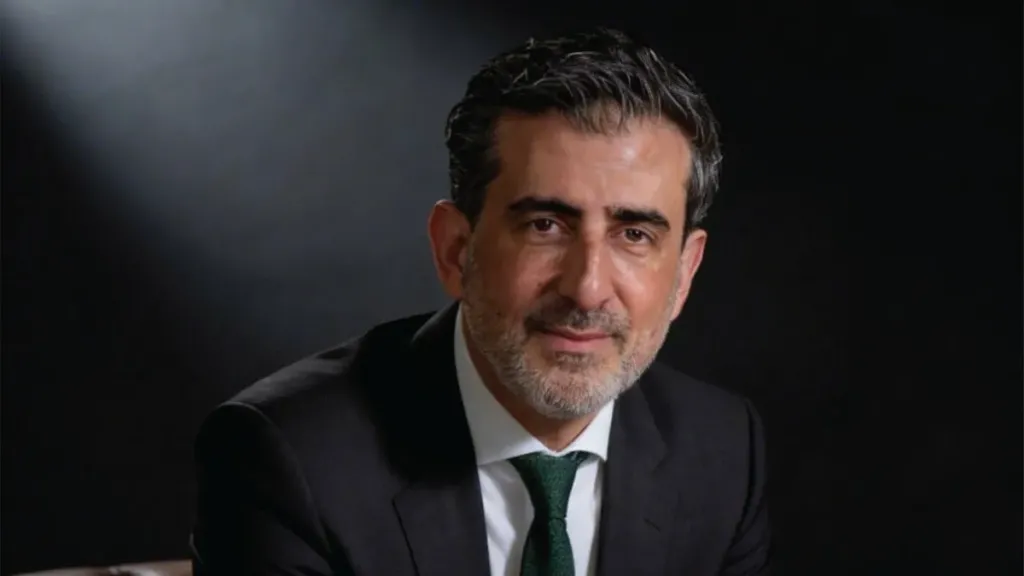
Entrepreneur Samer Choucair said the US release of $600 million for the Gavi vaccine alliance, alongside $800 million for the World Food Programme and more than $218 million for UNICEF, represents a partial and measured return by the United States to financing international health and humanitarian programmes after a period of disruption in aid flows.
Together, these three commitments exceed $1.6 billion, in addition to other US humanitarian funding announced during the same period.
Choucair noted that the significance of the funding lies not only in its size, but also in its ability to restore a degree of stability to supply chains linked to vaccines, nutrition, and humanitarian response.
The World Food Programme said its $800 million contribution would support food and nutrition operations reaching more than 38 million people across at least 37 countries, while UNICEF’s partnership of more than $218 million is intended to support emergency response, child nutrition, water, and sanitation.
Regarding Gavi, Samer Choucair noted that the United States has historically been one of the alliance’s largest contributors, accounting for approximately 13% of its funding since its establishment, while annual US support reached around $300 million in fiscal year 2024.
The latest release of $600 million followed an agreement to work gradually toward expanding the use of alternatives to vaccines containing thimerosal, while Washington continues to assess future support according to standards relating to performance, accountability, and reform.
Choucair emphasized that institutional investors increasingly view global health as part of economic risk management rather than solely as a humanitarian issue.
Stable vaccination and nutrition programmes can reduce the risk of disease outbreaks and supply-chain disruption while helping low- and middle-income economies maintain productivity and trade.
From a capital-allocation perspective, Samer Choucair said the latest developments could increase selective investor interest in pharmaceutical companies, biotechnology, healthcare supply chains, and logistics, particularly businesses capable of scaling production and operations across emerging markets.
However, he cautioned against overstating the direct financial impact of these funding commitments on the share prices of major healthcare companies, given that the amounts involved remain relatively limited compared with their overall revenues.
Concluding his remarks, Samer Choucair said the return of US funding, despite its limited scale and the absence of any guarantee that it will be sustained, is an important signal that health security is becoming an increasingly relevant factor in assessing emerging-market risk.
For Gulf investors, he added, stronger health and food security across Africa and Asia could improve the resilience of trade and supply chains while creating long-term opportunities in healthcare, biotechnology, and related logistics.