
Samer Choucair: Failure of the $4.2 Billion Deal Reveals the Limits of Investing in World Cup “Gold”
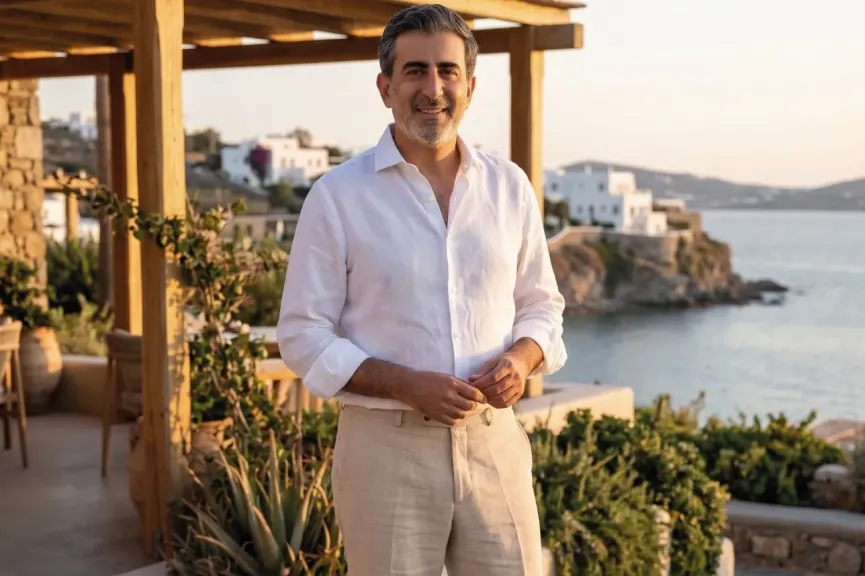
Entrepreneur Samer Choucair said FIFA’s decision to abandon plans to create a new commercial entity and sell a minority stake to private investors represents an important test of the limits of turning global sports assets into investment vehicles.
The proposal sought to establish FIFA Forward Enterprise at a valuation of approximately $20 billion and sell a stake of up to 20% for around $4.2 billion, before FIFA cancelled the plan on July 31 following widespread opposition from continental and national football associations.
Choucair noted that the significance of the development extends beyond the transaction value itself to the message it sends investors about governance.
UEFA unanimously rejected the proposal, while CONCACAF and the Asian Football Confederation also opposed it amid criticism over how the project had been presented and the lack of sufficient consultation with stakeholders.
The dispute escalated to the point of European threats to boycott FIFA competitions before the organization withdrew the proposal and acknowledged that it had created divisions and was no longer achieving its original objective.
Samer Choucair emphasized that the episode reveals a fundamental distinction between investing in clubs and leagues, where ownership structures and cash flows are generally clearer, and investing in rights linked to a global multilateral sports governing body, where commercial considerations intersect with governance, institutional balances, and political interests.
As a result, expected returns cannot be assessed independently of decision-making risk, ownership structures, and the durability of future rights.
The developments come despite FIFA’s growing financial strength. The organization raised its revenue expectations for the 2023–2026 cycle to $13 billion and announced that 93% of its targeted revenues had been contracted by the end of 2025.
Choucair said this raises an important investment question over the rationale for selling an interest in future commercial rights rather than relying on existing operating cash flows.
He said the principal lesson for investment funds and asset managers is the need to incorporate a “governance premium” into the valuation of any multilateral sports asset.
Deal analysis should therefore extend beyond media rights, sponsorship, and ticketing revenues to include the transferability of rights, the stability of the institutional structure, and the positions of federations and other stakeholders.
In the Gulf, Samer Choucair said the experience carries additional significance as Saudi Arabia prepares to host the 2034 FIFA World Cup and as the Public Investment Fund implements its 2026–2030 strategy focused on developing competitive domestic ecosystems and maximizing long-term returns.
Concluding his remarks, Samer Choucair said the most sustainable opportunities may lie in building an integrated sports ecosystem encompassing infrastructure, leagues, media rights, sports technology, tourism, and entertainment while maintaining the highest standards of governance, rather than relying on financial structures that may encounter institutional resistance.