
Samer Choucair: Saudi Retail Projects Are Evolving from Traditional Real Estate into Multi-Revenue Platforms
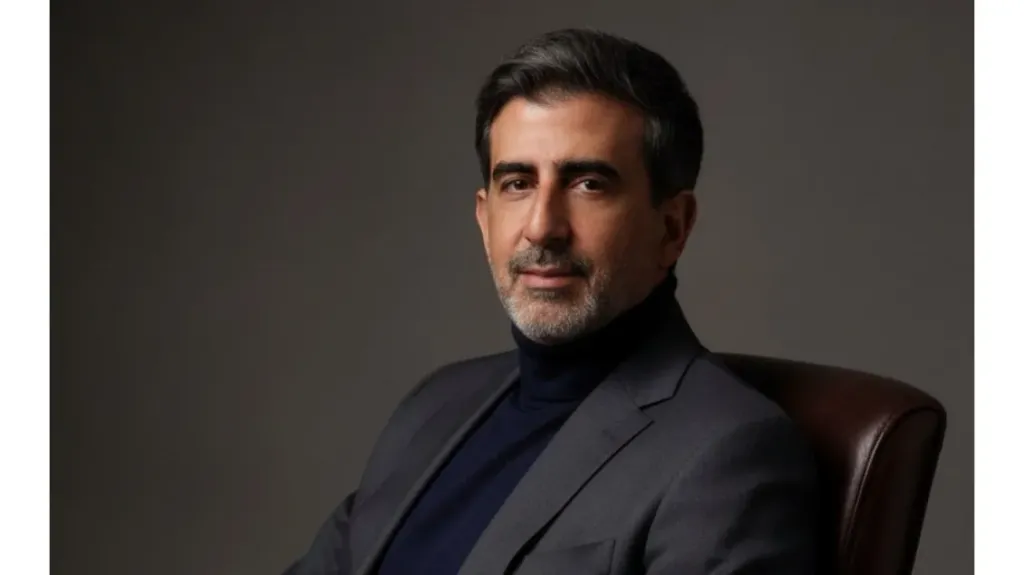
Entrepreneur Samer Choucair said the dominance of restaurants and cafés within Saudi Arabia’s lifestyle retail developments, accounting for 76% of all tenants in such projects in Riyadh, reflects a structural shift in the value equation of commercial real estate.
He emphasized that demand is no longer centred primarily on traditional shopping, but is increasingly moving toward integrated destinations combining retail, hospitality, entertainment, food, and beverage offerings.
Choucair explained that this transformation is directly linked to changes in the behaviour of Saudi and expatriate consumers, as well as the economic objectives of Vision 2030 to diversify the economy and increase non-oil spending.
He noted that institutional investors are increasingly reassessing mixed-use real estate assets as platforms capable of generating revenue from multiple sources.
Choucair added that the investment model is becoming even more significant as the supply of lifestyle retail developments in Riyadh is expected to exceed 870,000 square metres by 2027.
76% of tenants are restaurants and cafés
Samer Choucair noted that Riyadh currently has approximately 485,000 square metres of lifestyle retail space spread across around 28 projects, with overall occupancy rates ranging between 96% and 97%.
He said food and beverage operators account for 76% of all tenants in these developments, with more than 434 restaurants and cafés, reflecting the growing shift toward property models built around experience rather than simply providing conventional retail space.
Choucair added that Jeddah currently has approximately 291,000 square metres of supply, with substantial additional space expected to enter the market by 2029.
He explained that the concentration of restaurants and cafés is not simply the result of a rising number of outlets, but reflects a broader change in demand for commercial assets, as consumers increasingly seek destinations that provide an integrated experience, extend dwell times, and increase average spending.
Consumer spending reaches SAR 1.4 trillion
Samer Choucair said the transformation of the retail sector has coincided with record levels of total consumer spending in Saudi Arabia, which exceeded SAR 1.4 trillion during 2024.
He added that growth continued during the first quarter of 2026 at approximately 6.8%, bringing spending to around SAR 425 billion.
Choucair noted that restaurants and cafés represent an important share of point-of-sale transactions, with previous data showing the sector accounting for around 29% of such transactions, worth approximately SAR 99 billion over earlier periods.
He explained that this performance is also linked to Saudi Arabia’s demographic profile, with more than 60% of the population under the age of 30, reinforcing demand for social experiences, entertainment, restaurants, and cafés.
From traditional property to revenue-generating platforms
Samer Choucair emphasized that the transformation of retail has redefined the investment value of commercial real estate.
He said rent is no longer determined solely by floor area, but increasingly by a development’s ability to generate continuous visitor traffic through an integrated mix of food and beverage offerings.
Choucair added that institutional investors are beginning to view lifestyle developments as multi-revenue platforms rather than conventional retail properties, particularly as they become increasingly connected to both domestic and international tourism.
Developers shift toward mixed-use projects
Samer Choucair noted that property developers are increasingly moving toward mixed-use projects combining retail, hospitality, and entertainment, supported by investments from the Public Investment Fund and initiatives associated with Vision 2030.
He said hundreds of thousands of square metres of new space are expected to enter the Riyadh and Jeddah markets in the coming years, with increasing emphasis on open-air areas and outdoor seating suited to local climate and cultural preferences.
Choucair added that this growth has created new opportunities for investors in food and beverage and commercial real estate, while simultaneously placing pressure on traditional operators as competition intensifies and margins come under pressure.
Restaurant and café market approaches SAR 100 billion
Samer Choucair explained that the restaurant and café market itself has grown to approximately SAR 100 billion, recording a compound annual growth rate of around 7% in recent years.
He noted that this expansion has occurred despite several industry challenges, including an increase in the number of outlets to more than 112,000 alongside a decline in average revenue per outlet.
Choucair added that smaller businesses have also faced growing pressure from food-delivery platform commissions, which account for a significant share of sales and compress operator margins.
Institutional capital seeks scalable brands
Samer Choucair said institutional capital is increasingly moving toward operators capable of building scalable brands or acquiring portfolios of outlets in strategic locations within integrated destinations, rather than pursuing indiscriminate expansion through standalone locations.
He explained that one of the strongest opportunities lies in partnerships between real estate developers and food and beverage operators with expertise in cost management and brand building.
Choucair added that this model can create greater value for both sides by combining the strength of premium real estate locations with operating and brand-management expertise rather than treating restaurants and cafés as activities separate from the wider property ecosystem.
Tourism and entertainment support capital flows
Samer Choucair noted that the expansion of lifestyle retail projects is closely linked to the targeted growth of Saudi Arabia’s tourism sector and the substantial investments taking place across entertainment.
He said rising female labour-force participation and increased spending on social experiences have also supported demand for both family-oriented and premium restaurants and cafés.
Choucair explained that these changes have broadened the demand base, meaning restaurants and cafés increasingly form part of a wider ecosystem of social, entertainment, and tourism experiences rather than depending solely on everyday consumption.
An opportunity for private, family, and sovereign capital
Samer Choucair said lifestyle retail represents an opportunity for private investment funds, family offices, and sovereign wealth funds seeking to diversify portfolios away from traditional energy-related assets.
He noted that real estate assets associated with lifestyle developments benefit from high occupancy rates and relatively stable rents, which in some Riyadh projects average as much as SAR 2,400 per square metre.
Choucair emphasized, however, that achieving targeted returns requires careful site selection and disciplined tenant-mix management to avoid excessive dependence on a single sector.
High outlet density could trigger consolidation
Samer Choucair warned that the sharp increase in the number of outlets could lead to greater market consolidation over the coming years, with weaker operators potentially merging or exiting the market.
He said this scenario could create acquisition opportunities for investors capable of restructuring operations and improving efficiency.
Choucair added that strong governance and the ability to respond to consumer demand for affordability will be decisive in the next phase, particularly as demand for mid-priced options continues alongside premium offerings.
Technology and supply chains open new investment pathways
Samer Choucair explained that the sector’s growth extends beyond restaurants, cafés, and the real estate hosting them, opening new opportunities across local supply chains, inventory-management technologies, cloud kitchens, and digital solutions designed to reduce operating costs.
He noted that the industry is also becoming increasingly connected to local capital markets, whether through potential listings of retail and hospitality companies on the Saudi Exchange, Tadawul, or through mergers and acquisitions that could become more active in the coming period.
Rising supply is a key market risk
Samer Choucair said one of the most significant risks is increasing supply, which could pressure occupancy rates and rents if growth in new space outpaces demand.
He added that volatility in food-input prices, labour costs, and digital-platform commissions could directly affect operator profitability.
Choucair explained that the sustainability of growth at the broader economic level will remain linked to continued consumer spending supported by non-oil GDP growth, alongside relatively contained inflation.
Qiddiya, the Red Sea, and NEOM support demand
Samer Choucair noted that under the base-case scenario, demand for integrated destinations is likely to remain strong, supported by major developments associated with Qiddiya, the Red Sea, and NEOM.
He said these projects could sustain capital flows toward developers and operators capable of delivering differentiated experiences combining strong locations with diverse services.
Choucair added that slower economic growth or rising costs could accelerate market consolidation, increasing the focus on prime locations and the most efficient operators.
Saudi Arabia shifts toward an experience-led economy
Samer Choucair emphasized that the dominance of restaurants and cafés within lifestyle retail developments, accounting for 76% of tenants, is a clear indicator of the growing maturity of Saudi Arabia’s consumer economy and its transition toward a more experience-driven model.
He said the opportunity for institutional investors lies in allocating capital toward assets that combine operating stability with growth potential linked to Vision 2030.
Concluding his remarks, Samer Choucair said the next phase will reward investors who combine analysis of consumer behaviour with a deep understanding of commercial real estate cycles and build portfolios focused on quality, location, and operating sustainability.
He added that continued investment flows into infrastructure, tourism, and entertainment will make food and beverage businesses within integrated destinations one of the most important drivers of value creation in the Saudi economy over the coming years.