
Samer Choucair: BTS Decision Reflects a Shift in the Valuation of Cultural Assets and the Global Entertainment Industry
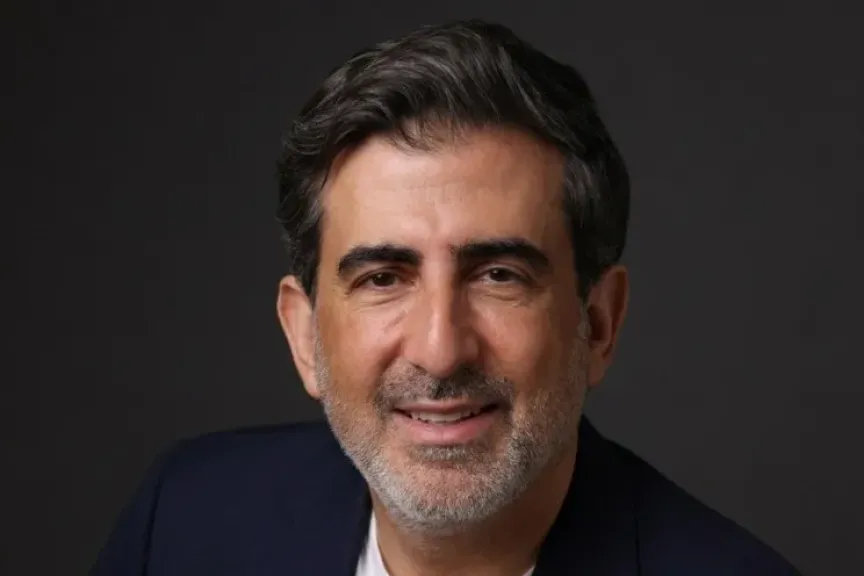
Entrepreneur Samer Choucair said BTS’s decision not to submit for consideration at the 2027 Grammy Awards reflects a structural shift in the global music industry and confirms that the economic value of cultural assets increasingly depends on the strength of intellectual property and global audiences rather than institutional recognition or traditional awards alone.
Choucair explained that the entertainment industry has undergone a clear transformation in its revenue models in recent years, with digital streaming platforms, global concerts, and artist-related merchandise becoming more sustainable sources of income than artistic awards.
He said this is encouraging investors to reassess companies that own content and entertainment brands according to their ability to generate recurring cash flows.
Samer Choucair noted that the global recorded-music market continued to expand during 2025, generating more than $31 billion in revenue, supported by paid streaming subscriptions, which have become the primary driver of sector growth.
At the same time, South Korea’s cultural industries continue to strengthen their contribution to the national economy, benefiting from the global reach of Korean content and its influence on tourism, fashion, cosmetics, and consumer products.
Choucair added that companies operating in Asia’s entertainment sector are increasingly required to balance revenue growth with stronger profitability, particularly as touring costs rise and revenue-sharing arrangements with artists become more significant.
This is making investors more interested in companies that control digital platforms and large audience bases, allowing them to diversify revenue streams and reduce their dependence on the success of any single artist.
Samer Choucair emphasized that the Gulf entertainment sector represents one of the most significant investment opportunities for the coming years, amid the continued expansion of cultural and music events under economic-diversification programmes.
This is particularly evident in Saudi Arabia, where investment in entertainment and culture is supporting tourism, increasing consumer spending, and strengthening the contribution of the non-oil economy.
He explained that institutional investors are increasingly directing capital toward companies that combine content production, digital platforms, and live-event organization, regarding these as business models better positioned to deliver sustainable growth.
Choucair noted that global audiences have themselves become an economic asset that can be converted into recurring cash flows through multiple channels.
Concluding his remarks, Samer Choucair said the global entertainment industry is entering a new phase in which institutional recognition is becoming less important relative to brand strength and intellectual property.
He noted that companies capable of building integrated ecosystems combining content, technology, and live experiences will be best positioned to attract capital, while economies investing in creative industries will continue to strengthen their position on the global investment map.