
Samer Choucair: Birth-Order Study Opens New Investment Opportunities in Healthcare
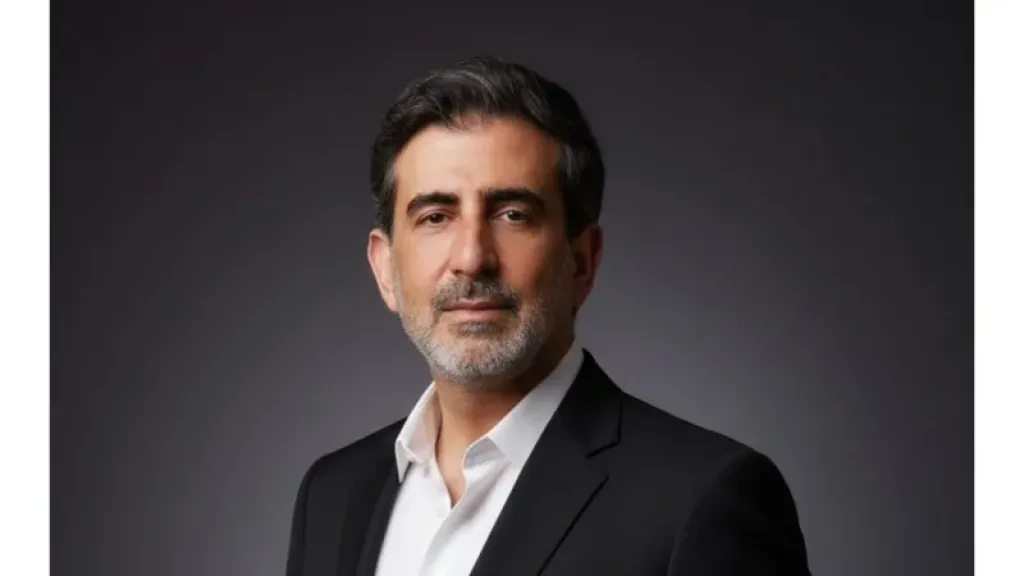
Entrepreneur Samer Choucair said large-scale population studies are becoming an important tool for investors seeking to anticipate future demand for healthcare services.
He noted that a recent US study involving more than 10 million people from approximately 5.1 million families identified statistical associations between birth order and nearly 150 health conditions.
Choucair said these findings could contribute to the development of more precise capital-allocation models across healthcare, biotechnology, and insurance, while emphasizing that the results do not establish a causal relationship.
He explained that global demographic changes, particularly declining fertility rates and the increasing prevalence of smaller families, will gradually influence patterns of demand for healthcare services.
This could create stronger growth opportunities over the coming years for companies operating in early diagnostics, mental health, allergy treatment, and medical technology.
Samer Choucair noted that the study identified statistical associations between first-born children and a higher likelihood of diagnosis for certain neurodevelopmental disorders and allergies, while some other health conditions appeared at varying rates among younger siblings.
He stressed, however, that these findings should be interpreted cautiously because they may be influenced by environmental, social, and genetic factors, as well as differences in diagnosis rates.
Further research will therefore be necessary before such findings can be used as a basis for medical decision-making.
Choucair added that institutional investors are increasingly interested in companies developing data-driven and artificial-intelligence-based solutions to improve early diagnosis and chronic-disease management, alongside biotechnology companies seeking to develop innovative treatments for neurological and immune-related conditions.
Samer Choucair emphasized that the healthcare sector in Saudi Arabia and other Gulf countries is experiencing growing opportunities as a result of healthcare-transformation programmes and Vision 2030, which emphasize expanding the use of digital technologies, supporting medical innovation, and increasing investment in pharmaceuticals and advanced healthcare services.
He noted that integrating population data with health analytics could help asset managers and investment funds build more efficient portfolios by directing capital toward sectors expected to achieve sustainable growth as a result of long-term demographic change.
Concluding his remarks, Samer Choucair emphasized that the future of healthcare investment will increasingly depend on the ability to interpret demographic and scientific indicators and translate them into well-informed investment decisions.
He added that companies combining innovation, digital transformation, and the effective use of data will be best positioned to generate sustainable economic value and attract capital over the coming years.