
Samer Choucair: The Sleep Economy Is Emerging as a New Investment Opportunity Driven by AI and Digital Health
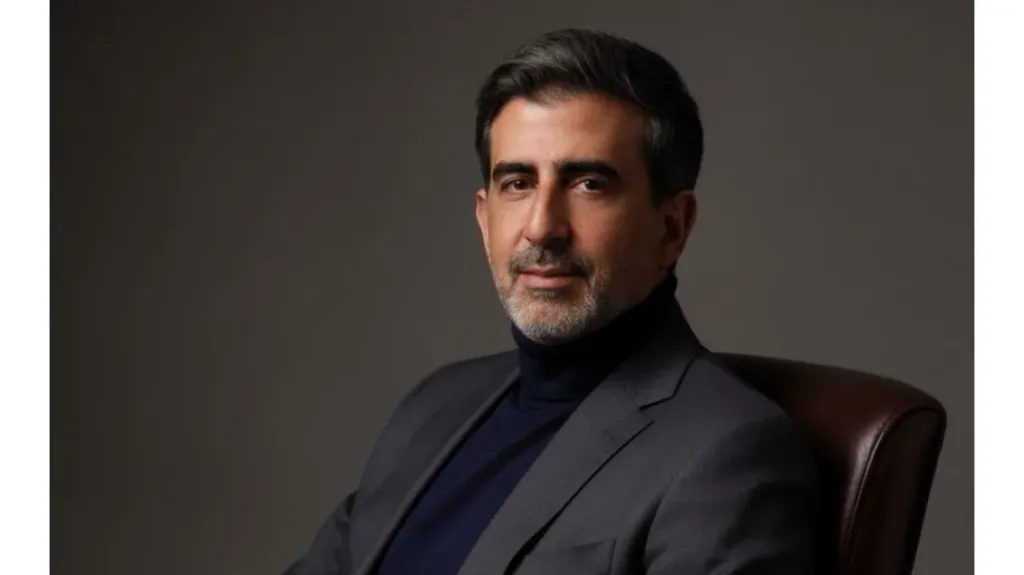
Rapid advances in neuroscience are revealing a new transformation across digital-health markets, as technologies designed to improve sleep quality increasingly attract the attention of institutional investors because of their direct links to productivity, preventive healthcare, and human-capital efficiency.
Entrepreneur Samer Choucair said the growing understanding of how the brain functions during sleep is reshaping investment opportunities across health technology, artificial intelligence, and long-term wellness.
A recent study by researchers from the Universities of Lausanne and Geneva, published in Current Biology, found that during rapid eye movement sleep, or REM sleep, the brain changes the way it responds to external stimuli while increasing its focus on internal bodily signals such as heartbeats.
The discovery expands scientific understanding of how sleep is regulated and how its quality can be assessed, while creating opportunities to develop more precise technologies for monitoring and improving sleep patterns.
Samer Choucair emphasized that this scientific progress reflects a shift in how investors view sleep, which is increasingly being treated as an economic factor rather than merely an individual health behaviour.
He explained that sleep quality is closely connected to fundamental indicators including cognitive performance, productivity, and the reduction of long-term healthcare burdens.
The global sleep-technology market is expanding significantly, supported by the growing adoption of wearable devices, sleep-monitoring applications, and artificial-intelligence-powered platforms.
Market estimates indicate that the sector is likely to continue growing throughout the coming decade as demand increases for solutions combining biometric data, intelligent analysis, and personalized healthcare interventions.
Choucair noted that the greatest investment opportunity does not lie solely in consumer devices, but in companies capable of building integrated ecosystems combining health-data collection, predictive algorithms, and evidence-based therapeutic solutions.
He added that institutional investors are increasingly focusing on companies capable of converting health data into scalable services that generate sustainable returns.
In the Gulf, these trends are particularly important as investment in quality of life and digital health expands under economic-diversification programmes led by Saudi Vision 2030.
Rising health awareness and increasingly advanced digital infrastructure are creating opportunities to develop sophisticated sleep and wellness services through both start-ups and public-private partnerships.
Samer Choucair emphasized that investment in the sleep economy forms part of the broader transition toward a preventive economy, in which health data and digital innovation become strategic assets.
He stressed the importance of distinguishing between short-term consumer products and technologies that possess genuine clinical and economic value.
As neuroscience and artificial intelligence continue to advance, the sleep-technology sector is expected to attract further investment and increased merger and acquisition activity, particularly in areas connecting scientific research with commercial applications.
Concluding his remarks, Samer Choucair said understanding and improving sleep has become a direct investment in people themselves, as human capital remains the fundamental driver of productivity and sustainable economic growth.