
Samer Choucair: SpaceX’s Post-Listing Results Test Market Confidence in Space Companies
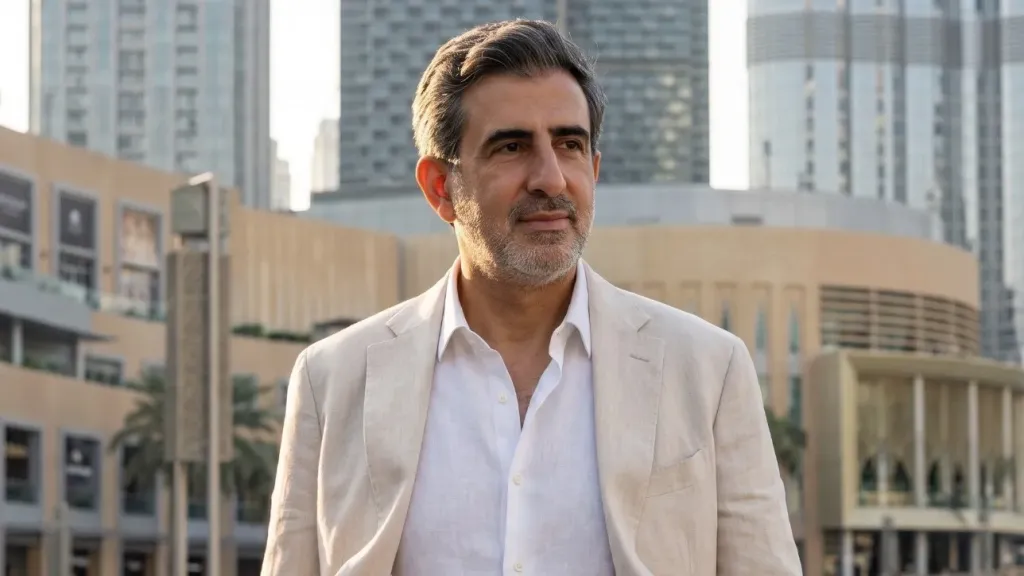
Entrepreneur Samer Choucair said SpaceX’s first quarterly results since its record-breaking listing in June 2026 represented the first genuine test of market confidence in the company following one of the largest public offerings in capital-market history.
The company reported revenue of $7.8 billion, representing annual growth of 92%.
Choucair explained that SpaceX reduced its net loss to $541 million, although this coincided with a decline in its share price from above $225 to levels close to or below the $135 offering price.
The decline resulted from selling pressure following the expiry of trading restrictions and continued intensive capital expenditure on artificial-intelligence projects.
He added that institutional investors now regard these results as a turning point in the company’s valuation, particularly after it raised approximately $75 billion through the largest initial public offering in market history.
Attention is increasingly focused on whether Starlink and the company’s artificial-intelligence technologies can convert operating growth into sustainable cash flows.
Choucair emphasized that strong operating performance could lead to a repricing of risk across the space and advanced-technology sectors, provided that capital expenditure demonstrates its ability to generate long-term returns.
The first test following the market’s largest listing
Samer Choucair noted that SpaceX entered the public markets in June 2026 through the largest listing in history, raising approximately $75 billion at an initial valuation of around $1.77 trillion.
He explained that the company’s market capitalization rapidly exceeded $2.5 trillion before declining by more than $1 trillion from its peak.
Choucair added that the quarterly results demonstrated strong revenue growth, supported by an increase in Starlink subscribers to 12 million and growth of approximately 250% in the artificial-intelligence business.
He noted that capital expenditure of $18.4 billion renewed investor concerns regarding the rate of cash consumption.
This divergence between operating performance and market valuation reflects a clear shift in how markets assess growth companies dependent on long-term investment in space and artificial intelligence.
A more restrictive economic environment
Samer Choucair explained that the company’s listing took place in an economic environment fundamentally different from that of previous years, with interest rates remaining relatively high and central banks continuing to monitor inflation and liquidity conditions.
He added that strong institutional demand, including participation from Gulf sovereign wealth funds, increased the offering proceeds to approximately $86 billion following the exercise of the overallotment option.
The subsequent decline in the share price reflected a natural repricing of the risks associated with elevated growth-sector valuations, particularly as the cost of capital remained high.
Choucair explained that telecommunications now account for more than half of the company’s revenue, contributing $4.3 billion, while the artificial-intelligence segment generated approximately $2.56 billion.
This distribution reflects SpaceX’s transformation from a rocket-launch company into an integrated platform combining satellite communications, computing, and artificial intelligence.
How institutional investors interpreted the results
Samer Choucair noted that the share price rose by approximately 9% following the results announcement before declining in subsequent trading, reflecting investors’ desire for clearer evidence that the company can convert growth into sustainable profitability.
He added that the release of trading restrictions on hundreds of millions of shares created further pressure on the stock.
Choucair explained that markets no longer value space companies solely according to revenue size, but also according to management’s ability to navigate the capital cycle efficiently in a high-interest-rate environment.
He emphasized that the substantial liquidity raised by the company provides considerable strategic flexibility.
However, institutional investors are increasingly seeking clear evidence of the expected returns from major investments in artificial intelligence and space infrastructure.
Capital allocation in the age of space-based artificial intelligence
Samer Choucair explained that SpaceX’s listing provided global investment funds and sovereign wealth funds with a rare opportunity to gain exposure to a sector combining space and artificial intelligence.
He noted that Gulf investors’ participation in the offering reflected the region’s interest in diversifying investment portfolios beyond traditional sectors.
The company’s true value lies in its ability to combine physical assets, including rockets and satellites, with digital assets represented by artificial-intelligence technologies.
Choucair emphasized that long-term investors regard Starlink as a sustainable driver of cash flows, while artificial intelligence represents the company’s bet on future leadership in advanced computing.
He added that ending the quarter with approximately $100 billion in liquidity provided SpaceX with a substantial financial buffer against short-term volatility.
Risks and opportunities
Samer Choucair noted that the principal risk lies in the continuation of operating losses if investments in artificial intelligence fail to develop into more profitable revenue streams.
He added that the sector also faces regulatory and geopolitical risks associated with the space industry.
Choucair explained that the expansion of Starlink’s subscriber base creates opportunities to increase global market share and potentially establish the service as the company’s principal source of recurring revenue.
He emphasized that the global race to build advanced-computing capabilities, alongside possible partnerships with companies such as Nvidia, could strengthen SpaceX’s competitive position during the coming years.
What these developments mean for Gulf economies
Samer Choucair explained that SpaceX’s success provides a model from which Gulf economies can benefit as part of their economic-diversification programmes, led by Saudi Vision 2030.
He noted that Gulf investment funds can gain exposure to the sector through direct or indirect investments in space and artificial-intelligence technologies.
Choucair added that investing across space and digital value chains gives Gulf economies an opportunity to strengthen their position as regional innovation hubs and attract global capital.
The success of these investments will nevertheless depend on effective governance and clear discipline in capital allocation.
Market outlook
Samer Choucair noted that investors will focus on three principal factors during the coming quarters:
The company’s ability to convert substantial capital expenditure into sustainable operating returns.
Continued growth in Starlink subscribers and the artificial-intelligence business.
Developments in profitability and cash-flow indicators alongside the stabilization of the funding structure.
Choucair added that future market valuations will depend more heavily on actual results than on the expectations that accompanied the listing.
Strategic outlook
Concluding his analysis, Samer Choucair emphasized that SpaceX’s first results following its listing demonstrated that operating growth alone is no longer sufficient to restore market confidence fully.
He explained that investors are assigning greater priority to capital management, the efficient deployment of liquidity, and the ability to generate clear returns from substantial investments in artificial intelligence and space infrastructure.
Samer Choucair concluded that companies capable of balancing long-term expansion with financial discipline will be best positioned to attract institutional capital during the coming years, as the space and artificial-intelligence sectors continue reshaping the global investment landscape.