
Samer Choucair: Aramco’s Brand Is Becoming a Strategic Asset Driving Capital Flows
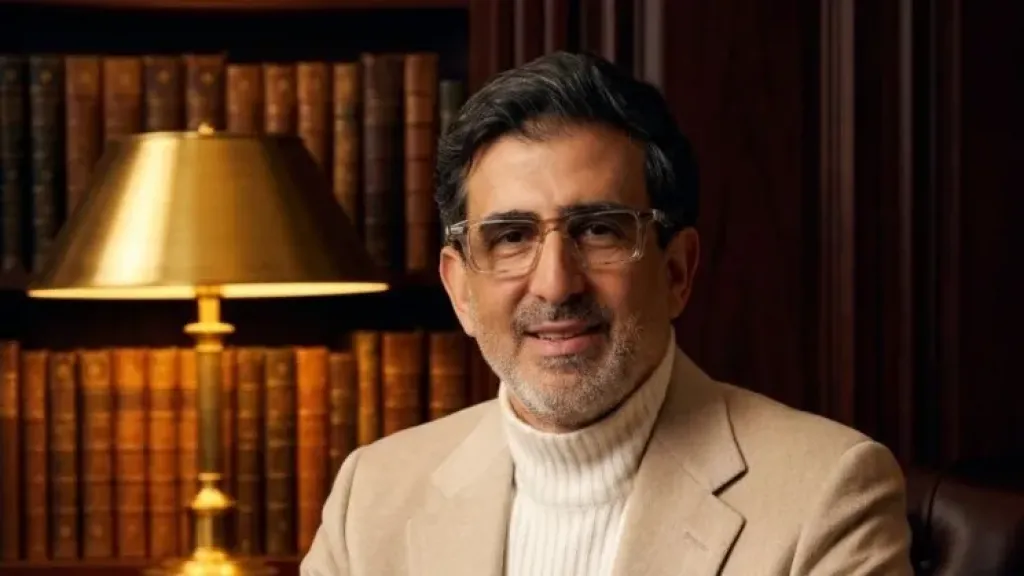
Entrepreneur Samer Choucair said estimates indicating that Saudi Aramco’s sponsorship of the 2026 FIFA World Cup could add more than $1.08 billion to its brand value reflect a fundamental transformation in institutional investment.
Sports sponsorship is no longer merely a marketing tool, but has become part of a broader strategy for building long-term value and strengthening companies’ positions in global markets.
Choucair explained that Aramco’s expected brand-value gain exceeds those of global companies such as Verizon, Hyundai, and Coca-Cola.
This confirms that major sporting events have become strategic platforms capable of redirecting capital toward companies that combine operating strength with global reach, creating new opportunities for institutional investors across energy markets and the new economy.
Sports sponsorship becomes a long-term investment asset
Samer Choucair noted that the 2026 FIFA World Cup, jointly hosted for the first time by the United States, Canada, and Mexico, represents one of the world’s largest platforms for building corporate value.
He added that estimates suggest Aramco’s brand value could increase by approximately $1.08 billion, ahead of Verizon’s expected gain of about $1.028 billion, Hyundai’s $836 million, and Coca-Cola’s approximately $733 million.
Choucair emphasized that these figures reflect more than the scale of media exposure.
They demonstrate how a brand has become an economic asset that directly influences company valuations and the ability to attract investors.
He added that investors who view sports sponsorship solely as a marketing expense may fail to recognize the genuine long-term effect of such investments on market value.
The global economy redefines brand value
Samer Choucair explained that the global economy is undergoing a clear transformation in the criteria used to value brands, with major sporting events increasingly serving as a means of accelerating international recognition and strengthening companies’ presence in new markets.
He added that Aramco’s sponsorship coincides with the company’s expansion beyond conventional oil activities into chemicals, renewable energy, and hydrogen.
This makes the brand a tool supporting the company’s diversification strategy rather than merely a promotional asset.
Choucair noted that the expected increase in Aramco’s brand value exceeds gains achieved by consumer-goods companies through similar sponsorships, reflecting the strength of the relationship between the energy sector and changes in global demand.
He emphasized that these developments are occurring alongside continued public- and private-sector spending on sports infrastructure in host countries, as well as rising demand for energy and logistics services during major global events.
Investor interpretation and capital allocation
Samer Choucair said institutional investors increasingly view FIFA World Cup sponsorship as an investment capable of influencing valuation multiples and capital flows, rather than merely a means of increasing brand awareness.
He added that the companies leading the expected increases in brand value operate across different industries, including energy, telecommunications, and automotive manufacturing.
This demonstrates that investment in brand value has expanded across the entire economy.
Choucair noted that access to a potential global audience exceeding five billion viewers provides companies with substantial growth opportunities in digital advertising, e-commerce, logistics, and online platforms.
He emphasized that institutional capital is increasingly moving toward companies combining stable cash flows with exposure to global consumer growth.
Samer Choucair added that the expected increase in Aramco’s brand value could have a positive effect on the company’s valuation, particularly as it continues its investment expansion and capital programmes, alongside the Public Investment Fund’s role in strengthening the global presence of the Saudi economy.
Direct implications for financial markets
Samer Choucair explained that strong brands can positively influence financing costs, as companies with established global reputations often benefit from more competitive credit spreads in fixed-income markets.
He added that sports sponsorship also creates broad opportunities for private-equity and venture-capital funds to invest in technologies connected to sporting events.
These include artificial intelligence in sports broadcasting, data analytics, digital payments, and technology solutions for crowd management.
Choucair emphasized that investors are increasingly connecting brand value with companies’ ability to achieve sustainable growth in revenue and earnings.
The Saudi economy and Vision 2030
Samer Choucair noted that Aramco’s sponsorship is directly aligned with the objectives of Saudi Vision 2030, which seeks to transform sport and entertainment into major drivers of economic growth and income diversification.
He added that strengthening Aramco’s brand value forms part of a broader strategy to raise the international profile of Saudi companies and attract additional foreign direct investment into the Saudi market.
Choucair explained that the Public Investment Fund’s continued investment in sport and entertainment strengthens the connection between national brands and the real economy, supporting the appeal of the Saudi equity market to global investors.
He added that this approach also improves the Kingdom’s ability to support future public offerings and increase international investor interest in Saudi assets linked to energy and the digital economy.
Opportunities and risks for investors
Samer Choucair emphasized that the opportunities extend across numerous sectors, including energy, logistics, manufacturing, tourism, and sports technology, as global expenditure associated with major sporting events continues to rise.
He explained that risks nevertheless remain, led by oil-price volatility, geopolitical tensions, and the increasing cost of sponsorship agreements as competition intensifies among global brands.
Choucair added that focusing on short-term marketing gains without investing in innovation and governance could limit companies’ ability to convert those gains into sustainable economic value.
He noted that genuine success lies in transforming higher brand value into revenue growth, improved productivity, and stronger long-term cash flows.
Strategic outlook
Concluding his remarks, Samer Choucair said the approaching 2026 FIFA World Cup will encourage institutional investors to reassess their allocations across energy, consumer goods, and services associated with major global sporting events.
He added that Aramco now occupies a position combining traditional financial strength with the ability to benefit from global transformations in the digital economy, sport, and entertainment, providing it with a long-term competitive advantage.
Choucair emphasized that Gulf capital markets could benefit from additional investment inflows as global funds show greater interest in companies with strong brands and growth narratives connected to Vision 2030.
Samer Choucair concluded that capital allocation during the coming phase will increasingly depend on companies’ ability to convert global sponsorships into sustainable competitive advantages.
He said strong brands will remain among the assets most capable of attracting capital in an economic environment characterized by elevated volatility and changing investor priorities.