
Samer Choucair: Jabal Omar’s Return to Profitability Confirms the Maturity of Saudi Tourism Assets
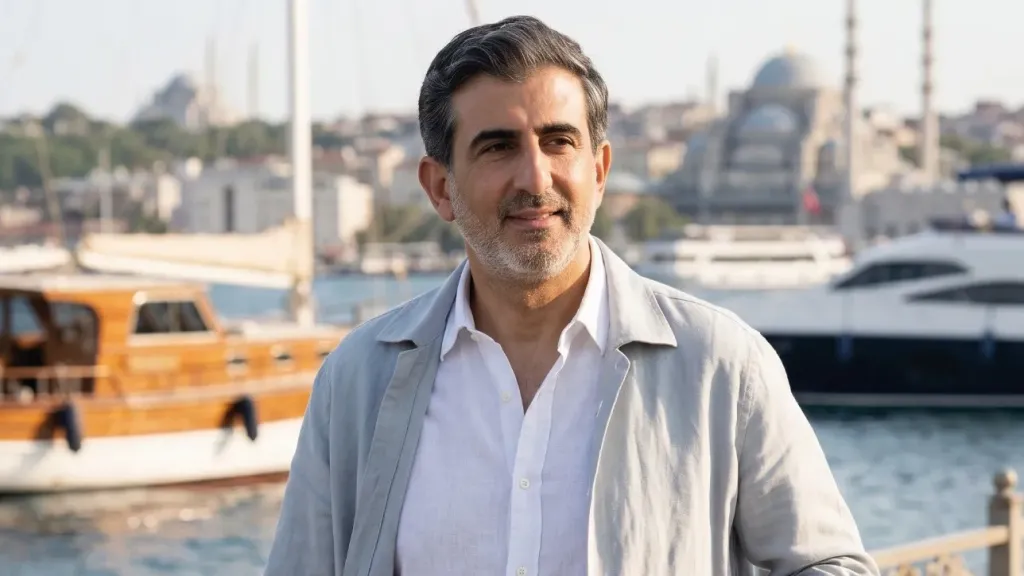
Entrepreneur Samer Choucair said the financial results reported by Jabal Omar Development Company for the second quarter of 2026 represent a strategic turning point in the company’s trajectory, as it returned to operating profitability driven by strong growth in the hospitality sector.
He explained that this performance reflects the increasing maturity of real-estate assets linked to religious tourism and strengthens the sector’s appeal to institutional investors seeking long-term opportunities within Saudi Arabia’s non-oil economy.
Choucair noted that the company recorded net profit of SAR 158.1 million during the second quarter, supported by higher hotel revenue during the Hajj season and the opening of the Rotana hotel.
These developments improved operating cash flows across the hospitality portfolio and marked the beginning of a more stable phase of operating returns, less dependent on exceptional gains.
The Hajj season restores momentum to hotel assets
Samer Choucair said the second-quarter results demonstrated the ability of hotel assets in Makkah’s central district to regain operating momentum following the geopolitical pressures that affected performance during the first quarter of the year.
He added that revenue increased by 43% year on year to SAR 715.2 million, compared with SAR 501.7 million during the same period of 2025.
The company moved to a net profit of SAR 158.1 million after recording a loss of SAR 42.1 million in the corresponding period of the previous year.
Choucair explained that net profit increased by approximately 35% compared with the first quarter of 2026, when earnings reached SAR 117 million, reflecting continued improvement in operating performance.
Religious tourism continues supporting revenue
Samer Choucair emphasized that the performance coincided with the 2026 Hajj season, which attracted approximately 1.707 million pilgrims according to data from the General Authority for Statistics.
It was also supported by continued growth in Umrah visitor numbers throughout the year following the expansion of visa services and digital platforms.
He added that Jabal Omar’s business model depends principally on sustainable demand from pilgrims and visitors to the holy sites.
Hotels represent the company’s primary source of revenue, while the opening of the Rotana hotel at the beginning of the year increased capacity alongside improved occupancy rates and higher average room prices during the season.
An improved financial structure strengthens profitability
Samer Choucair explained that a SAR 67 million decline in financing costs played an important role in strengthening earnings.
This resulted from a lower average cost of debt, reduced loan balances, and a non-recurring accounting adjustment connected to the refinancing of certain obligations.
He added that impairment provisions also declined by approximately SAR 120 million, directly improving the company’s profit margin.
Choucair noted that revenue for the first half of 2026 reached approximately SAR 1.45 billion, representing annual growth of 16%, while net profit stood at SAR 275.1 million compared with SAR 903.9 million during the same period of 2025.
He explained that the decline primarily reflected exceptional gains from land sales recorded in the previous year.
A new phase in the investment cycle
Samer Choucair said institutional investors regard these results as clear evidence that the company is moving away from dependence on non-recurring capital gains toward a model based on sustainable operating profitability.
He added that the ability of hotel assets to generate stable operating earnings is an important indicator of the increasing maturity of the investment cycle across hospitality projects connected to the objectives of Saudi Vision 2030.
It also reduces the extent to which the company’s valuation depends on exceptional items.
Capital allocation focuses on cash-flow quality
Samer Choucair noted that Jabal Omar’s performance is closely aligned with Vision 2030 objectives to increase capacity for Umrah pilgrims and other visitors.
The project has expanded the supply of high-quality hotel accommodation in the central district surrounding the Grand Mosque through a portfolio containing thousands of rooms managed by international hospitality brands.
He added that allowing non-Saudis to own property within designated areas covering parts of the project could broaden the investor base, support asset valuations, and provide additional financing through the sale of serviced residential units.
Choucair emphasized that capital allocation toward assets of this kind should increasingly be based on the quality of future cash flows rather than revenue growth alone, particularly while historical debt continues to affect the company’s financial position.
He explained that lower financing costs reflect a significant improvement in the capital structure, but preserving this progress will require continued monitoring of leverage to ensure sustainable profitability across different seasons.
Growth opportunities remain accompanied by financing challenges
Samer Choucair said Makkah’s hospitality and property sectors benefit from structural demand connected to religious tourism, which is less correlated with global economic cycles than leisure tourism.
He added that continued year-round growth in Umrah visitors creates an opportunity to transform seasonal demand into a more stable source of occupancy outside peak periods.
The completion of additional development phases and the stabilization of hotel operations could also improve profit margins.
However, Choucair explained that debt burdens and financing costs will remain central factors determining the company’s ability to distribute dividends or finance future expansion without disposing of certain assets.
He noted that any slowdown in religious-tourism growth or a sudden rise in global interest rates could place pressure on sector valuations, despite the continuing availability of domestic liquidity and strong institutional interest in assets connected to Vision 2030.
Strategic outlook
Concluding his remarks, Samer Choucair said the company’s operating momentum is likely to continue during the third quarter of 2026, supported by the Umrah season and the stable operation of newly opened hotel assets.
He added that institutional investors will closely monitor the company’s ability to reduce its debt-to-equity ratio, improve earnings before interest, taxes, depreciation, and amortization margins, and convert revenue growth into sustainable shareholder value.
Choucair emphasized that Jabal Omar’s results provide a clear example of what major real-estate projects can achieve when they progress from development into full operation.
The current investment environment is increasingly favouring assets capable of generating recurring cash flows supported by domestic demand and religious tourism.
Samer Choucair concluded that the company’s success in consolidating this transformation will depend more on disciplined capital management than on quantitative expansion.
This will determine its ability to strengthen its position as a strategic asset within institutional investment portfolios during the coming years.