
Samer Choucair: Precision Medicine Is Driving a New Wave of Investment in Alzheimer’s Treatments
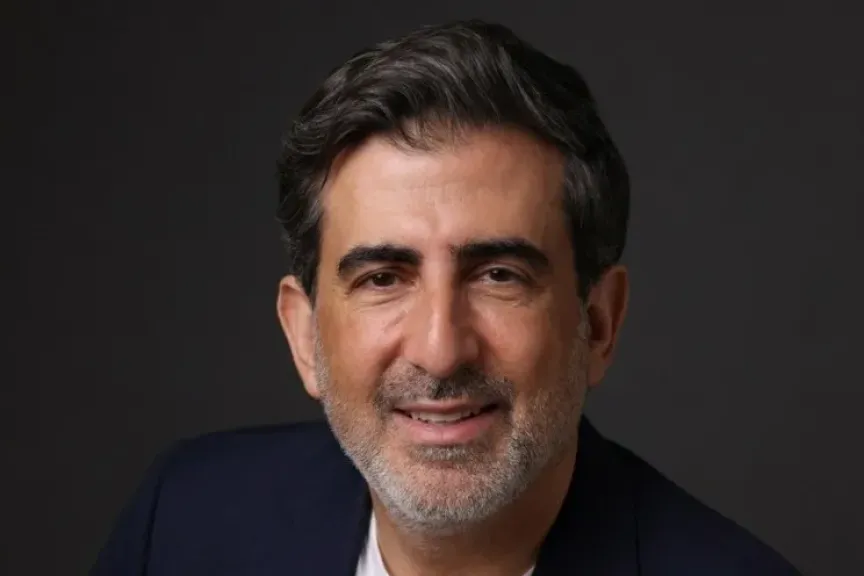
Entrepreneur Samer Choucair said recent research into dementia and Alzheimer’s risk factors among South Asian Americans has revealed fundamental differences from studies historically based on people of European ancestry.
He emphasized that these findings are opening new opportunities for investment in precision medicine, personalized diagnostics, and disease-modifying treatments.
Choucair added that the implications extend beyond medicine to the reshaping of capital-allocation decisions across biotechnology and long-term healthcare, as institutional investors show increasing interest in health solutions based on precise population-level data.
He noted that sovereign wealth funds and asset managers have begun reassessing their biotechnology portfolios following evidence that conventional models for understanding neurodegenerative diseases have overlooked important genetic and metabolic differences among population groups.
Samer Choucair explained that the Alzheimer’s treatment market across the eight principal global markets is projected to grow from approximately $2.4 billion in 2023 to nearly $17 billion by 2033, representing a compound annual growth rate exceeding 21%.
This expansion is being driven by disease-modifying treatments such as Leqembi and Kisunla. However, their commercial success will increasingly depend on their ability to serve population groups that were underrepresented in earlier clinical trials.
Demographic differences change the risk equation
Samer Choucair explained that South Asian Americans represent one of the fastest-growing population groups in the United States, comprising millions of people of Indian, Pakistani, Bangladeshi, and other backgrounds.
He added that a comprehensive review of research published between 2000 and 2025 found that modifiable risk factors, led by diabetes, high blood pressure, and vascular-metabolic disorders, have a greater effect and often emerge at younger ages than among populations of European ancestry.
Choucair noted that the 2024 Lancet Commission report indicated that addressing 14 modifiable risk factors could reduce global dementia cases by as much as 45%.
Factors including education, hearing loss, and visual impairment may be particularly important among people of South Asian ancestry.
He added that the lead researcher of the study published in Alzheimer’s & Dementia noted that the United States has yet to conduct a dedicated study of brain health among older South Asian adults.
This leaves significant gaps in understanding how migration, dietary changes, and social isolation influence disease progression.
Samer Choucair explained that these findings led to the launch of the SAMARTH study at Rutgers University, which is following adults from this population to identify their specific risk and protective factors.
Clinical data become an investment factor
Samer Choucair emphasized that overlooking population differences in clinical trials represents a methodological risk when valuing biotechnology companies.
He added that investors incorporating demographic diversity into their valuation models may identify early investment opportunities in companies developing biomarkers or treatment protocols that account for metabolic and genetic differences among population groups.
Treatments enter a new phase
Samer Choucair said most investment during the past decade focused on targeting amyloid and tau proteins, with Leqembi from Eisai and Biogen and Kisunla from Eli Lilly receiving regulatory approvals.
He added that sales data through mid-2026 showed continued gradual adoption of these treatments.
Leqembi generated quarterly revenue amounting to hundreds of millions of dollars while maintaining its leading position in the anti-amyloid antibody category, as Kisunla continued expanding its user base.
Choucair noted that the principal challenge remains low diagnosis rates and the need for more accurate classification tools that extend beyond models based largely on data from populations of European origin.
Intelligent diagnostics become a central investment theme
Samer Choucair explained that investment opportunities are expanding across blood-based diagnostics, artificial-intelligence-supported medical imaging, devices addressing hearing and visual impairment, and treatments targeting vascular and metabolic pathways.
He added that the potential interaction between GLP-1 diabetes medicines and neuroprotective effects is creating new opportunities for companies such as Eli Lilly and Novo Nordisk to expand the therapeutic applications of their products.
Choucair emphasized that institutional capital is gradually moving away from an exclusive focus on disease-modifying therapies toward more balanced portfolios encompassing early prevention, precision diagnostics, and solutions tailored to different population groups.
He noted that companies capable of establishing diverse clinical databases will possess a sustainable competitive advantage across insurance and long-term-care markets, particularly as the annual cost of dementia in the United States continues to amount to hundreds of billions of dollars.
The Gulf has a strategic opportunity
Samer Choucair said the research findings are particularly relevant to Gulf countries because of their large South Asian communities, giving these studies direct significance for regional health-policy planning.
He added that these trends are consistent with the objectives of Saudi Vision 2030 to build a diversified economy supported by healthcare innovation, including the National Biotechnology Strategy’s focus on vaccines, biomanufacturing, and genomics.
Choucair noted that Saudi Arabia has made substantial investments in artificial intelligence through entities associated with the Public Investment Fund, alongside the Hevolution Foundation’s support for research into extending healthy human lifespan.
Strategic reports have also recommended developing a national plan for Alzheimer’s care.
He explained that these developments could attract additional foreign direct investment into regional research centres, biomanufacturing facilities, and medical-tourism initiatives specializing in brain health.
Developing biomarkers that reflect metabolic characteristics common across the region could also strengthen the competitiveness of Saudi and Gulf investment funds in the global biotechnology sector.
Promising opportunities for sovereign wealth funds
Samer Choucair emphasized that regional sovereign wealth funds have an opportunity to direct part of their strategic investment toward companies developing preventive and diagnostic solutions suited to diverse populations.
This could support long-term returns while contributing to economic-diversification objectives.
He added that the Alzheimer’s treatment market is expected to continue expanding rapidly during the next decade, driven by population ageing and the introduction of new therapies.
Choucair noted that the principal risks include slow adoption because of high treatment costs and operational complexity, possible differences in effectiveness among ethnic groups, and reimbursement challenges confronting healthcare payers.
Investment opportunities are nevertheless expanding in inclusive clinical trials, artificial-intelligence technologies for analysing diverse medical data, digital lifestyle solutions, and growing demand for diabetes and blood-pressure medicines and hearing and vision devices as indirect preventive tools.
Strategic outlook
Concluding his remarks, Samer Choucair said effective risk management in biotechnology portfolios now requires an assessment of how accurately clinical data represent genuine population diversity.
He described this criterion as one of the most important elements of long-term institutional investment governance.
Choucair added that global capital is moving rapidly toward precision medicine as one of the healthcare sector’s principal structural themes through the end of the decade.
He expects increased merger and acquisition activity between developers of disease-modifying treatments and diagnostic and biomarker companies, alongside rising private equity and venture-capital investment in platforms combining artificial intelligence with diverse population data.
Samer Choucair emphasized that connecting brain-health research with economic-diversification plans gives investors in emerging markets and sovereign wealth funds an opportunity to establish advanced positions within global healthcare-innovation value chains.
He concluded that early prevention and population-specific treatment will remain decisive factors in determining the leading companies in a market expected to be worth tens of billions of dollars by the middle of the 2030s.