
Samer Choucair: Artificial Intelligence Is Reshaping Orthodontic Investment Without Replacing the Doctor
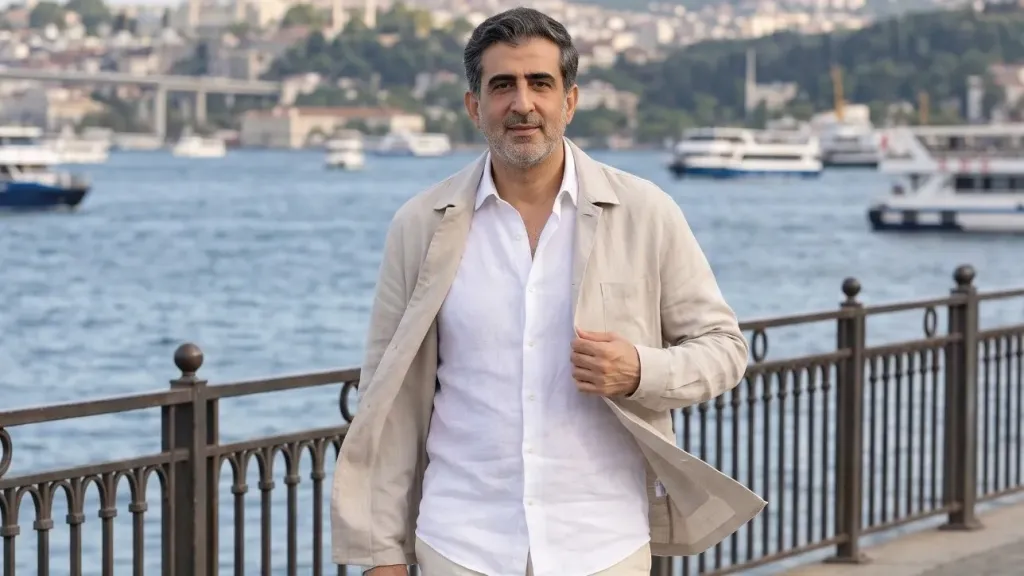
Entrepreneur Samer Choucair said artificial intelligence is driving rapid transformation across the orthodontics sector, but will not replace medical expertise.
Instead, it will enhance dentists’ efficiency and improve the precision of treatment planning, encouraging investors to redirect capital toward companies that combine technological innovation with clinical responsibility.
Choucair explained that estimates from international research institutions indicate strong growth in the market for artificial-intelligence applications in orthodontics during the coming years, alongside the continued expansion of the clear-aligner market.
This growth is being driven by rising demand for digital solutions and the increasing adoption of three-dimensional scanners and intelligent treatment-planning systems in dental practices.
Samer Choucair added that this trend reflects a shift in competition away from selling conventional devices toward building integrated digital platforms combining software, data, and diagnostics.
However, successful treatment remains dependent on the clinician’s judgement because of biological factors that algorithms alone cannot predict or manage with complete accuracy.
“Markets often overestimate technology’s ability to replace the human element,” Choucair said. “The genuine investment value lies in companies that use artificial intelligence to raise doctors’ productivity and improve the quality of care, rather than attempting to eliminate their role.”
He noted that institutional investors are placing greater emphasis on companies capable of balancing innovation with governance and regulatory compliance, particularly as oversight of digital-health applications and remotely delivered medical services becomes more stringent.
Samer Choucair emphasized that digital healthcare has become one of the most attractive sectors for long-term capital because of its ability to improve operating efficiency, reduce costs, and raise service quality.
These characteristics provide the sector with growth opportunities that are relatively independent of conventional economic fluctuations.
In the Gulf, Choucair explained that Saudi Arabia has promising opportunities to benefit from this transformation under Vision 2030 by investing in digital infrastructure, developing artificial-intelligence technologies, and strengthening partnerships across the healthcare sector.
These initiatives could support the growth of medical industries and advanced treatment services.
Concluding his remarks, Samer Choucair emphasized that the future of healthcare investment will belong to companies that successfully integrate artificial intelligence with human expertise.
He said sustainable competitive advantage will not be achieved through complete automation, but by using technology to strengthen medical decision-making, improve service efficiency, and create long-term value for investors.