
Samer Choucair: Rising US Healthcare Costs Are Creating a New Reality for Investors
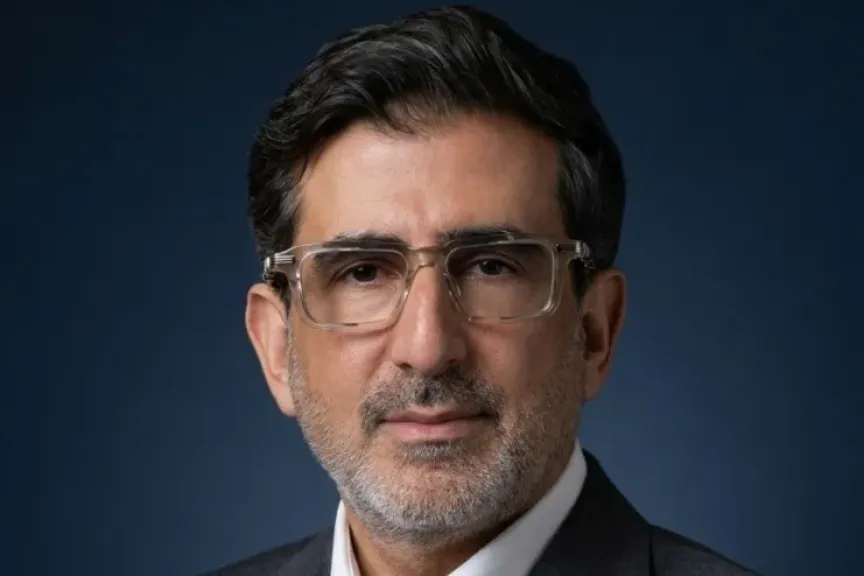
Entrepreneur Samer Choucair said estimates published in the 2026 Medicare Trustees Report indicate that the standard monthly premium for Part B will rise from $202.90 in 2026 to approximately $209.50 in 2027, an increase of around $6.60, or 3.25%.
Choucair explained that this would represent the smallest percentage increase since 2023 and would remain below previous estimates suggesting that the premium could reach $218.60.
He added that the broader trend nevertheless continues to point toward US healthcare costs rising faster than general inflation and Social Security cost-of-living adjustments, reshaping institutional-investor calculations across healthcare, sovereign debt, and US government expenditure.
Samer Choucair noted that the final figures will be determined by the Centers for Medicare & Medicaid Services during the autumn, but the estimates already reflect the structural pressures confronting the US healthcare system because of population ageing, higher utilization of medical services, and the expansion of advanced treatments.
He emphasized that the implications extend beyond beneficiaries on fixed incomes to capital flows into health insurers, hospitals, pharmaceutical companies, and health-technology businesses, as well as the long-term sustainability of US government expenditure.
Medicare costs place pressure on public finances
Samer Choucair explained that the estimates followed the substantial increase recorded between 2025 and 2026, when the monthly premium rose from $185 to $202.90, an increase of approximately 9.7%.
He added that the Trustees Report indicated that the pace of growth could accelerate again after 2027, with the premium expected to exceed $224 in 2028 and continue rising to substantially higher levels by the middle of the next decade.
Choucair noted that Medicare Part B is financed through beneficiary contributions covering 25% of premiums, while the remaining 75% is funded from general revenues.
Any increase in costs therefore has a direct effect on the federal budget deficit.
He emphasized that the persistence of high interest rates during recent years and tighter monetary policy have made these developments increasingly important to investors.
Rising Medicare expenditure contributes to pressure on the structural deficit and could eventually affect US Treasury valuations and the pricing of sovereign risk.
The healthcare sector enters a new phase
Samer Choucair said the relatively limited increase in 2027 premiums sends mixed signals to equity markets.
He explained that the smaller-than-expected rise reduces the immediate pressure on beneficiaries, potentially supporting stable demand for elective healthcare services.
However, the long-term trend reinforces the need for health insurers and medical-service providers to improve operating efficiency.
Choucair noted that companies including UnitedHealth Group, CVS Health, and Elevance Health continue to face challenges in managing Part B costs within Medicare Advantage programmes, while pharmaceutical and medical-technology companies benefit from continued growth in expenditure on modern treatments.
Innovation becomes the principal investment driver
Samer Choucair emphasized that the limited increase in 2027 premiums does not change the fundamental equation confronting institutional investors.
US healthcare costs continue to grow faster than gross domestic product, creating investment opportunities in companies capable of lowering costs or raising productivity.
He explained that these opportunities include businesses using artificial intelligence for diagnosis, clinical-data management, and value-based healthcare models.
Choucair added that capital allocation across the healthcare sector increasingly requires investors to focus on companies with scalable profit margins and strong competitive positions within healthcare supply chains.
Capital flows move toward efficiency
Samer Choucair said increasing pressure within the US healthcare system has strengthened investor interest in healthcare markets outside the United States, particularly in economies seeking to build more efficient health systems.
He added that Gulf Cooperation Council countries, which continue implementing healthcare projects under the objectives of Vision 2030, regard these pressures as further evidence of the importance of investing in domestic medical infrastructure and modern health technologies.
Choucair noted that the Public Investment Fund and related investment entities continue expanding their exposure to healthcare and biotechnology to meet rising domestic demand and reduce reliance on treatment abroad.
New opportunities for Gulf investors
Samer Choucair explained that institutional investors in the Gulf increasingly view the gap between US healthcare costs and developments in emerging markets as an opportunity to rebalance their portfolios.
He added that continued pressure on Medicare is directing capital toward more efficient care models, supporting investment in medical artificial intelligence and digital healthcare services across Saudi Arabia and the wider region.
Choucair emphasized that corporate governance has become a central factor in evaluating long-term healthcare investment opportunities, alongside growing attention to sustainability and operating efficiency.
Risks remain elevated
Samer Choucair said the principal risk is that programme costs could continue rising by more than 6% annually after 2027, placing pressure on retirees’ living standards and increasing the likelihood of political changes to Medicare.
He added that any slowdown in wage growth or renewed increase in inflation could widen the gap between Medicare premiums and cost-of-living adjustments.
Choucair noted that particularly strong investment opportunities are emerging for companies specializing in healthcare-cost management, supplementary health insurance, and technologies designed to reduce unnecessary use of medical services.
He explained that continued growth in entitlement spending could support demand for inflation hedges or bonds linked to healthcare indices.
Private equity and venture-capital funds are also showing increasing interest in companies developing scalable digital-health solutions for global markets, including the Gulf and other emerging economies.
Strategic outlook for investors
Concluding his remarks, Samer Choucair said the US healthcare sector will remain one of the most important areas of institutional portfolio interest during the coming years, although investors will need to become increasingly selective when identifying companies capable of adapting to rising cost pressures.
He added that successful investment in the sector depends on understanding the relationship between demographic growth and government fiscal pressures.
Investors combining structural cost analysis with the opportunities created by technological innovation will be better positioned to generate long-term value.
Choucair noted that capital allocation in healthcare is also becoming increasingly important across the Gulf under the objectives of Vision 2030, whether through direct investment in hospitals and medical centres or partnerships with US and European health-technology companies.
The continuing global shift toward digitalization and operating efficiency is expected to support capital flows into the digital-health economy, particularly in artificial intelligence and medical-data analysis.
Samer Choucair concluded that the latest Medicare premium estimates represent more than a routine annual increase in charges.
They reveal a structural reality requiring institutional investors to reassess their strategies and connect the pressures confronting the US healthcare system with diversification opportunities across emerging markets and the Gulf, while treating governance and efficiency as central pillars of capital allocation during the coming phase.