
Samer Choucair: Massive AI Spending Is Opening a New Investment Cycle Across Global Markets
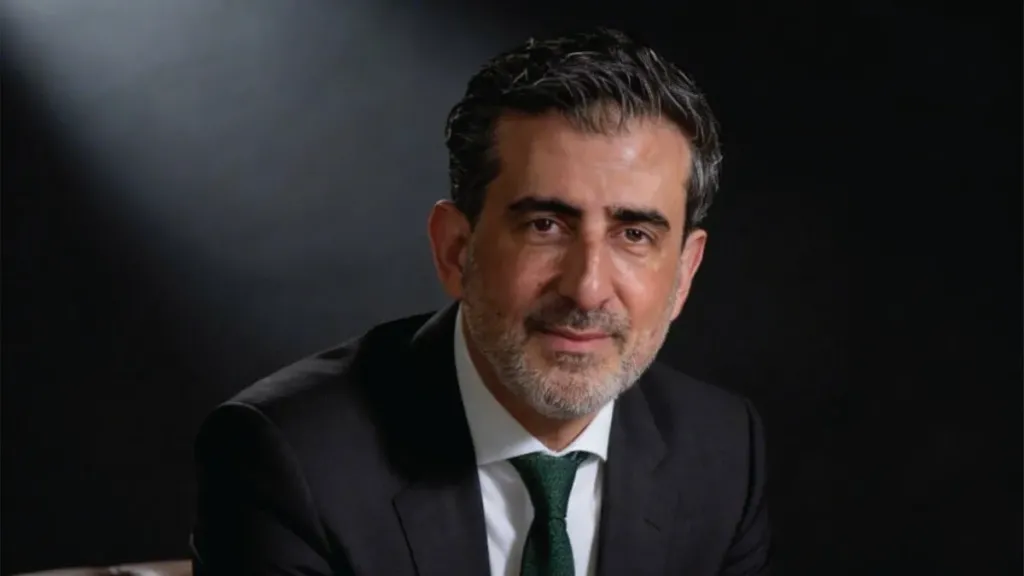
Entrepreneur Samer Choucair said the capital-expenditure wave being led by the world’s largest technology companies in 2026 represents a structural shift in global investment.
He noted that Goldman Sachs estimates published in June forecast capital expenditure by these companies reaching approximately $725 billion during the year, while total spending between 2025 and 2030 is expected to reach around $5.3 trillion, an increase of more than 77% compared with 2025 levels.
Choucair explained that these figures confirm the technology sector’s transition from a focus on software and applications toward intensive investment in artificial-intelligence infrastructure, reshaping capital-allocation priorities for institutional investors and sovereign wealth funds.
He added that Amazon leads planned capital expenditure at approximately $200 billion, followed by Microsoft at around $190 billion and Alphabet within a range of $175 billion to $185 billion.
Meta’s expenditure is expected to range between $115 billion and $135 billion, with most of these investments directed toward data centres, computing capacity, and the energy infrastructure required to support artificial-intelligence applications.
Reshaping the global investment landscape
Samer Choucair noted that this unprecedented level of capital expenditure is opening the way for the repricing of assets connected to artificial intelligence, energy, and digital infrastructure.
It is also encouraging asset managers and sovereign wealth funds to reconsider portfolio weightings, with greater focus on companies capable of financing these substantial investments without weakening their balance sheets.
Choucair emphasized that this transformation reflects a fundamental change in the nature of expected returns from the technology sector.
Real value is gradually shifting from end-user applications toward the deep infrastructure that will determine corporate competitiveness over the coming decades.
Infrastructure becomes the principal growth engine
Samer Choucair explained that, amid continuing moderate inflationary pressure and interest rates remaining relatively high across advanced economies, capital expenditure by technology giants has become one of the most important drivers of growth in global equity markets.
He added that major companies are no longer focused solely on purchasing servers and processors.
They are increasingly entering long-term partnerships with energy companies and data-centre developers, creating a new value chain connecting semiconductors, electricity, and industrial real estate.
Choucair noted that markets have already begun distinguishing between companies capable of converting this expenditure into a sustainable competitive advantage and those that may face pressure on profit margins where expected returns do not materialize quickly enough.
He added that institutional investors are increasingly monitoring utilization rates at new data centres, alongside indicators of demand for computing capacity, as key measures of the efficiency of this expenditure.
Broad implications for global markets
Samer Choucair emphasized that this trend is supporting higher valuations across companies connected to the artificial-intelligence supply chain, from semiconductor manufacturers and renewable-energy providers to digital-infrastructure developers.
He added that smaller technology companies may face increasing challenges because of their limited ability to match this level of investment, potentially leading to a new wave of merger and acquisition activity during the coming years.
Choucair noted that these investment plans are also affecting bond markets, as some companies issue long-term debt instruments to finance part of their expenditure, benefiting from strong credit ratings and substantial demand from investors seeking stable returns.
Strategic opportunities for Gulf economies
Samer Choucair explained that this global transformation directly intersects with the objectives of Saudi Vision 2030 in the digital economy and artificial intelligence.
While US companies compete to expand their technological capabilities, Saudi Arabia has an important opportunity to attract part of this investment through the Public Investment Fund and through public-private partnerships in data centres and digital infrastructure.
Choucair noted that rising energy demand from data centres is also strengthening opportunities in renewable-energy and green-hydrogen projects, which form central pillars of the Kingdom’s economic-diversification strategy.
He emphasized that capital allocation across the region is gradually shifting toward assets positioned to benefit from the artificial-intelligence race, whether through direct investment in technology companies or the development of domestic capabilities capable of serving regional and global demand.
Choucair added that success in this field requires strict governance and financial discipline, with a clear focus on generating genuine returns on invested capital rather than pursuing unproductive expenditure.
Investment opportunities and continuing challenges
Samer Choucair noted that the effects of this investment wave extend across numerous sectors, led by commodity markets, particularly copper, aluminium, and minerals used in electrical infrastructure, as well as the energy sector, where demand for reliable generation capacity continues to increase.
He added that equity markets will continue to favour companies with strong balance sheets and the ability to fund investments internally, while businesses relying more heavily on borrowing may face pressure should financing costs rise again.
Choucair explained that the success of this investment cycle during the coming years will depend on companies’ ability to convert substantial expenditure into measurable productivity gains, lower operating costs, and the development of products and services increasingly powered by artificial intelligence.
He added that, should global demand for computing capacity continue at its current pace, this expenditure is likely to become a sustainable source of profits and cash flows.
However, delays in generating returns could lead some companies to reassess their investment plans after 2027.
Future outlook
Concluding his remarks, Samer Choucair emphasized that the artificial-intelligence race is no longer merely a technological competition, but has become one of the most important forces redistributing global capital.
He added that companies capable of financing this competition and controlling its essential components, from semiconductors to energy and data, will be best positioned to generate returns across equity and bond markets during the coming years.
Samer Choucair concluded that the greatest opportunity for institutional investors and sovereign wealth funds lies in combining investment in leading US companies with strategic positions in regional infrastructure capable of meeting growing demand for artificial-intelligence services across the Middle East and Asia, while maintaining valuation discipline and avoiding the risks of unproductive expenditure.