
Samer Choucair: Saudi Fiscal Resilience Despite Hormuz Disruption Demonstrates the Strength of the Vision 2030 Model
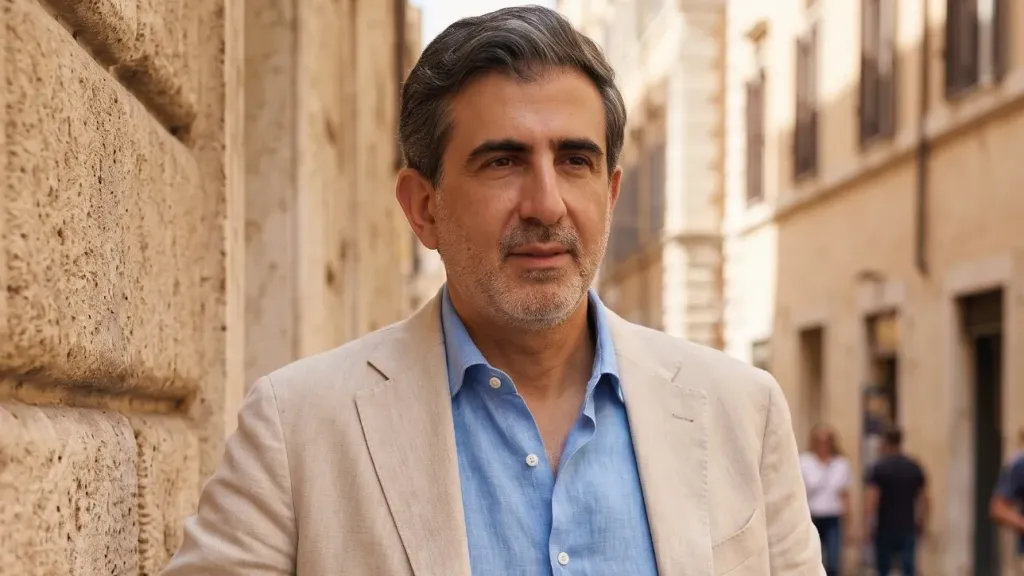
Entrepreneur Samer Choucair said Saudi Arabia’s public-finance results for the second quarter of 2026 demonstrated the economy’s ability to maintain investment-spending momentum despite geopolitical challenges.
He noted that the narrowing of the budget deficit to SAR 34.3 billion, supported by a 22% year-on-year increase in oil revenue to SAR 185.1 billion, confirms the Kingdom’s success in managing its financial resources efficiently.
Choucair explained that this performance was achieved despite a contraction in the oil sector and lower export volumes caused by disruption in the Strait of Hormuz, reflecting the strength of Saudi Arabia’s logistics infrastructure and its ability to protect revenue while maintaining the implementation of strategic projects connected to Vision 2030.
He added that these developments give institutional investors an opportunity to reassess capital flows toward non-oil sectors and major projects leading the Kingdom’s economic transformation.
Capital expenditure continues to expand
Samer Choucair noted that Ministry of Finance data showed total revenue reaching SAR 338.8 billion during the second quarter, compared with expenditure of SAR 373 billion.
Capital expenditure increased by 16% to SAR 46.2 billion, following strong growth of 56% during the first quarter.
Choucair added that this performance was supported by Saudi Arabia’s ability to redirect a substantial share of its oil exports through the East–West Pipeline to the Port of Yanbu on the Red Sea.
This alternative route helped preserve revenue stability despite lower oil production.
Logistics infrastructure demonstrates resilience during disruption
Samer Choucair explained that regional tensions beginning in late February 2026, which led to the effective closure of the Strait of Hormuz, caused a clear decline in Saudi oil-export volumes.
However, the East–West Pipeline, with a nominal capacity of seven million barrels per day, successfully redirected oil flows toward the Red Sea.
Choucair added that this shift limited the decline in exported volumes, while Saudi Arabia also benefited from higher oil prices.
Brent crude reached approximately $90 per barrel by the end of July, an increase of more than 47% since the beginning of the year, offsetting a substantial proportion of the decline in volumes and supporting stronger oil revenue.
He emphasized that this logistics flexibility represents one of the Kingdom’s most important strategic assets.
It has not only protected short-term revenue, but also strengthened investor confidence in Saudi Arabia’s ability to generate the financial flows required to complete major projects while non-oil revenue continues to grow.
Investment spending reshapes economic priorities
Samer Choucair noted that the government continued directing expenditure toward infrastructure, transportation, and logistics, with capital spending during the first half of the year rising by 32% year on year.
He explained that this approach demonstrates a clear commitment to the objectives of Vision 2030, despite increased military and social expenditure associated with geopolitical developments.
Choucair added that the first-half deficit reached approximately SAR 160 billion and was financed entirely through borrowing without drawing on government reserves, preserving the Kingdom’s available fiscal buffers.
He emphasized that capital expenditure is no longer merely a temporary response to elevated oil prices.
It has become a strategic instrument for accelerating economic diversification through investment in sectors capable of generating long-term returns, including tourism, logistics, and advanced manufacturing.
Choucair added that institutional investors are closely monitoring Saudi Arabia’s ability to balance continued expenditure with the preservation of relatively low debt levels, with public debt remaining below 35% of gross domestic product according to prevailing estimates.
Institutional investor assessment
Samer Choucair explained that sovereign investors and asset managers view these results as evidence that the Saudi economy can withstand external shocks without slowing the pace of economic transformation.
He noted that the International Monetary Fund expects elevated oil prices to help reduce the deficit to approximately 3.7% of GDP in 2026, supported by strong domestic demand and continued government spending on capital projects.
Choucair added that the Fund also indicated that redirecting oil exports through the East–West Pipeline helped limit the decline in deliveries, while higher prices offset losses arising from lower export volumes.
He emphasized that these conditions are directing institutional capital toward sectors connected to the implementation of major projects, led by infrastructure, renewable energy, and logistics.
Saudi Arabia’s sovereign-debt market also continues to attract strong demand from global investors.
Choucair added that stable oil revenue, despite geopolitical volatility, reduces the risk of significant repricing across assets connected to Vision 2030 and gives investors greater confidence to expand long-term exposure to equities, bonds, and private projects.
Promising opportunities and continuing challenges
Samer Choucair noted that risks remain, led by continuing disruption to maritime corridors, higher insurance and shipping costs, and the possibility that priorities for certain major projects may be reconsidered if pressure on the public budget persists.
However, higher oil prices provide greater fiscal capacity to continue financing national projects, particularly infrastructure associated with Expo 2030 and the FIFA World Cup.
He emphasized that the current phase presents an important opportunity for investors to reassess their exposure to the Saudi market, particularly as non-oil revenue continues to grow and domestic-demand indicators improve.
Choucair explained that Saudi Arabia’s success in maintaining capital-expenditure momentum while controlling the deficit strengthens its appeal as a leading destination for long-term capital allocation, whether through sovereign wealth funds, public-private partnerships, or debt instruments.
Future outlook
Concluding his remarks, Samer Choucair emphasized that the second-quarter results demonstrate that the Saudi economy possesses strong tools for sustaining its economic-transformation momentum even within a complex external environment.
He added that the continuation of this momentum will depend on fiscal authorities’ ability to balance ongoing investment expenditure with financial sustainability.
Choucair said this issue will remain under close review by institutional investors during the coming period because it represents one of the most important indicators shaping the future of capital allocation in the Kingdom.