
Samer Choucair: Documenting 180 Saudi Heritage Food Products Transforms Local Identity into Global Investment Opportunities
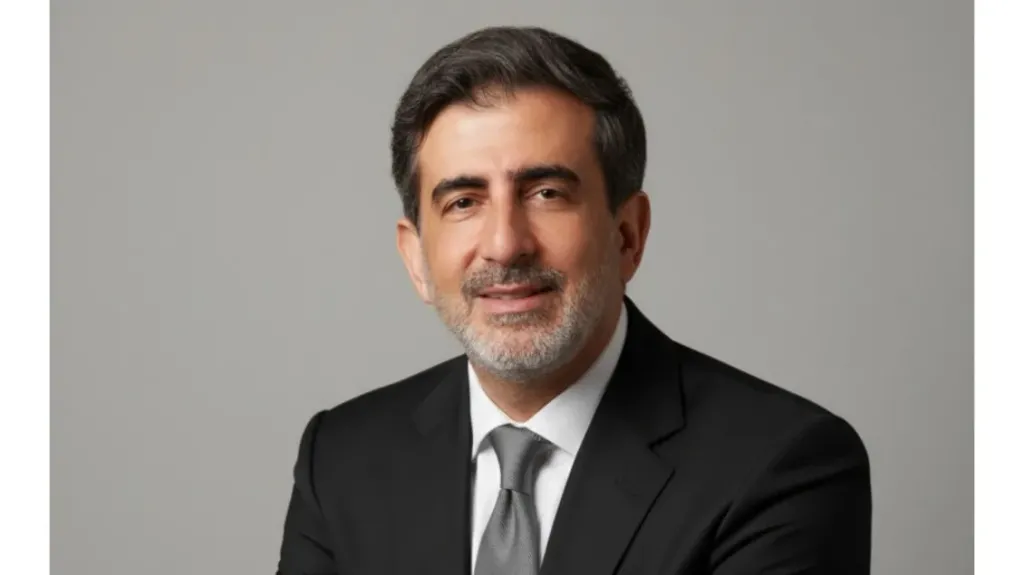
Entrepreneur Samer Choucair said the registration of 180 Saudi heritage food products under Slow Food’s Ark of Taste initiative represents an important step in transforming culinary heritage from a preserved cultural value into an investable economic asset capable of supporting sustainable value chains.
He noted that this development opens new opportunities for institutional investors across the food, tourism, and locally distinctive products sectors.
Samer Choucair explained that the addition of 60 new products to the 120 registered between 2022 and 2024, bringing the total to 180 products covering all 13 administrative regions of the Kingdom, reflects a more advanced approach to cultural and food resources as economic assets that can be developed and marketed globally.
He noted that the registered products span a broad range of categories, from livestock breeds and locally grown coffee to honey, oils, spices, and traditional vinegar.
This diversity provides Saudi Arabia with a strong foundation for building brands associated with geographic identity, quality, and authenticity.
Choucair said the international documentation of these products extends beyond recognizing their cultural significance.
It also helps reduce uncertainty surrounding these unlisted assets and gives investors a clearer basis for evaluating related opportunities within cultural and food-diversification portfolios.
“Documented culinary heritage has become part of the identity economy,” Samer Choucair said. “Global markets are assigning increasing value to products that combine quality, narrative, and authenticity, particularly in categories such as coffee, honey, dates, spices, and oils.”
He explained that this development comes at an important time for the Saudi economy, as efforts to preserve culinary heritage increasingly intersect with Vision 2030 objectives to diversify income sources, expand tourism, support non-oil industries, and increase the contribution of value-added sectors to the national economy.
Choucair noted that the food sector offers substantial growth opportunities, particularly as Saudi Arabia seeks to strengthen food security, develop food manufacturing, and improve supply-chain efficiency.
Registered heritage products could provide a foundation for developing specialized exportable goods capable of competing in global markets.
Samer Choucair emphasized that the investment value of these products does not lie solely in production, but in the ability to build an integrated ecosystem encompassing processing, packaging, marketing, branding, and tourism experiences connected to the regions in which they originate.
He said institutional investors increasingly view sectors associated with identity and culture as part of their diversification strategies, particularly when they are linked to the growth of tourism, luxury consumption, and sustainable products.
Choucair explained that the expansion of tourism in Saudi Arabia supports this trend, as rising visitor numbers and changing tourism-spending patterns increase demand for local experiences and products with a clear cultural and geographic identity.
He added that local culinary experiences could become a major driver of tourism expenditure through the development of routes connected to farms, traditional kitchens, local markets, and food festivals, creating new investment opportunities across different regions.
Samer Choucair noted that investment opportunities in this field extend across several areas, including the development of value-added food-processing facilities, the creation of specialized Saudi brands, and the establishment of cold-chain and logistics services meeting international standards.
They also include the protection of intellectual property and geographical indications.
“Capital allocation in this sector should focus on building integrated value chains connecting local producers with tourism demand and global markets, rather than merely increasing production volumes,” Choucair said. “The real value lies in developing scalable Saudi brands capable of generating sustainable returns.”
He emphasized that supporting local producers through specialized financing models or partnerships with private equity and impact-investment funds could help develop the sector while preserving traditional methods and improving productive efficiency through modern technology.
Choucair explained that investors with a five- to ten-year horizon may find the culinary-heritage sector an opportunity to diversify their portfolios beyond traditional economic cycles, particularly because of its connection to tourism growth, domestic consumption, and the global shift toward sustainable products.
Samer Choucair noted that several challenges must be addressed, including the limited traditional production capacity of certain products, climatic and water constraints, the need to improve marketing and export capabilities, and the importance of preserving authenticity during commercial expansion.
He added that successful investment requires a balance between increasing production and maintaining the characteristics that gave these products their original value.
It also requires clear frameworks to protect geographical indications and ensure compliance with international standards.
Choucair said the changing perception of Saudi culinary heritage reflects greater maturity in the use of cultural assets as economic drivers.
Investment funds and companies operating in tourism and food production may therefore find new opportunities to strengthen their presence in the Saudi market.
Concluding his remarks, Samer Choucair said: “Investing in documented culinary heritage is not an emotional investment. It is an investment in Saudi Arabia’s ability to transform intangible assets into sustainable cash flows. Those allocating capital today to build these value chains professionally will be strongly positioned to benefit from the global shift toward authenticity and sustainability over the coming decade.”