
Samer Choucair: Al Hilal’s Spending Reflects Saudi Sport’s Transition Toward an Investment-Asset Economy
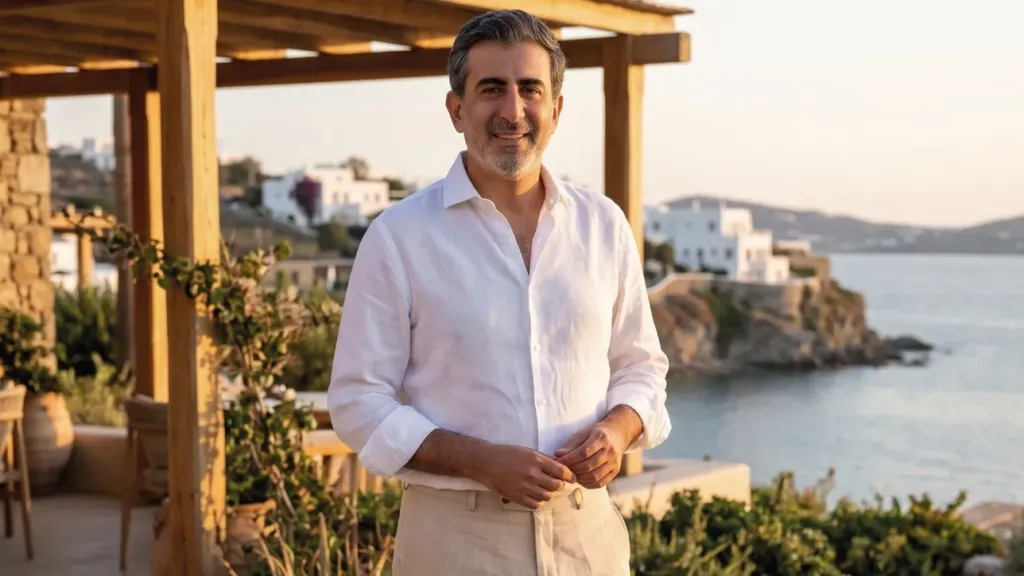
Entrepreneur Samer Choucair said Al Hilal’s entry into the list of the world’s 20 highest-spending football clubs during the current summer transfer window, with total expenditure approaching SAR 298.9 million, represents an important transformation in the nature of sports investment in Saudi Arabia.
He noted that sport is gradually evolving from an activity dependent on direct funding into an economic asset class capable of being valued and generating returns.
Samer Choucair explained that high expenditure on player acquisitions should not be viewed solely as sporting activity, but as part of a broader transformation in the ownership and financing structures of Saudi clubs.
Private capital is beginning to play a greater role in building the long-term value of sports assets under the objectives of Vision 2030 to diversify the Kingdom’s sources of economic growth.
Choucair noted that Al Hilal’s position among the world’s highest-spending clubs demonstrates the increasing appeal of the Saudi sports market to investors, particularly as the sector is connected to a wider economic ecosystem encompassing tourism, entertainment, infrastructure, media, and major events.
He said the global sports market increasingly views clubs as multi-revenue investment platforms whose value extends beyond sporting performance to include broadcasting rights, commercial sponsorships, fan experiences, e-commerce, and activities connected to sports districts.
Samer Choucair added that the transfer of Dutch winger Crysencio Summerville from West Ham United for €64.5 million, as part of a series of signings that elevated Al Hilal’s spending to global levels, reflects the club’s ambition to build a sports brand capable of competing regionally and internationally.
He explained that the presence of both Al Hilal and Al Ahli among the world’s highest-spending clubs, while some clubs associated with the Public Investment Fund adopt a more selective approach to expenditure, reflects a new phase of strategic recalibration following the substantial capital inflows seen across the sector since 2023.
Choucair noted that the transfer of a 70% ownership stake in Al Hilal to Kingdom Holding Company, through an investment valued at approximately SAR 840 million, provides a clear example of private capital entering Saudi Arabia’s sports sector and clubs transforming into investment entities focused on maximizing value rather than solely achieving sporting objectives.
“The entry of private capital on this scale is a clear indication of the growing maturity of Saudi Arabia’s sports-asset market,” Samer Choucair said. “The next phase will depend on creating sustainable value through commercial revenue, sponsorships, and media rights, rather than relying solely on operating expenditure or player acquisitions.”
Choucair emphasized that this transformation is consistent with efforts to develop the sports sector and convert clubs into more commercially efficient entities capable of attracting investment, forming partnerships, and creating independent revenue models.
Samer Choucair explained that the development of sports assets is directly connected to Saudi Arabia’s objectives of increasing the sector’s contribution to the economy and expanding sports tourism linked to major events such as the 2027 AFC Asian Cup and the 2034 FIFA World Cup.
He noted that institutional investors are currently monitoring Saudi clubs’ ability to convert capital expenditure into tangible economic assets, including stronger brand values, enhanced sponsorship agreements, improved broadcasting returns, and integrated entertainment experiences around stadiums.
“Investors do not assess clubs solely according to player values or the scale of expenditure,” Choucair said. “They evaluate their ability to convert these investments into sustainable cash flows. The most successful clubs will be those capable of building an integrated business model that extends beyond sporting results.”
He added that shifting a greater proportion of financing toward private capital could improve financial discipline because such investment is more closely connected to performance indicators and return on investment, potentially reducing the risks associated with previous spending models.
Samer Choucair explained that the value of the Saudi Pro League continues to rise as club valuations increase and the pool of international talent expands.
He noted that Al Hilal has become one of the region’s most commercially valuable clubs, despite the continuing revenue gap between the Saudi league and Europe’s largest competitions.
Choucair emphasized that current sporting activity is creating investment opportunities extending beyond football clubs into supporting sectors such as sports technology, media, logistics, sports tourism, and facility development.
He said the continuation of this trajectory could lead to the emergence of new financing instruments within the sports sector, including public-private partnerships, direct private equity investment, and potentially financial instruments linked to sports revenue in the future.
Samer Choucair noted that the success of this model will depend on clubs’ ability to build diversified sources of income, including digital commerce, branded merchandise, fan experiences, and events, rather than relying solely on transfer revenue or traditional financial support.
“The real challenge for Saudi sports assets is to build a sustainable revenue model that creates long-term value,” Choucair said. “The most successful clubs will be those that combine sporting competitiveness with professional investment management.”
He explained that elevated global interest rates make the management of financial obligations, salaries, and player valuations an important factor in the success of any sports-investment model, reinforcing the need for strong financial governance.
Samer Choucair emphasized that the current phase represents a transition from establishment and heavy spending toward a more mature stage focused on maximizing returns and managing assets efficiently.
Concluding his remarks, Choucair said: “What is happening at Al Hilal today is not merely a transfer transaction or a sporting development. It is a test of private capital’s ability to lead a new phase of value creation in Saudi Arabia’s sports economy. The success of this model could redefine how sports assets are valued across emerging markets worldwide.”