
Samer Choucair: Development Around the Pyramids Reflects Egypt’s Shift Toward Allocating Capital to Tourism Assets
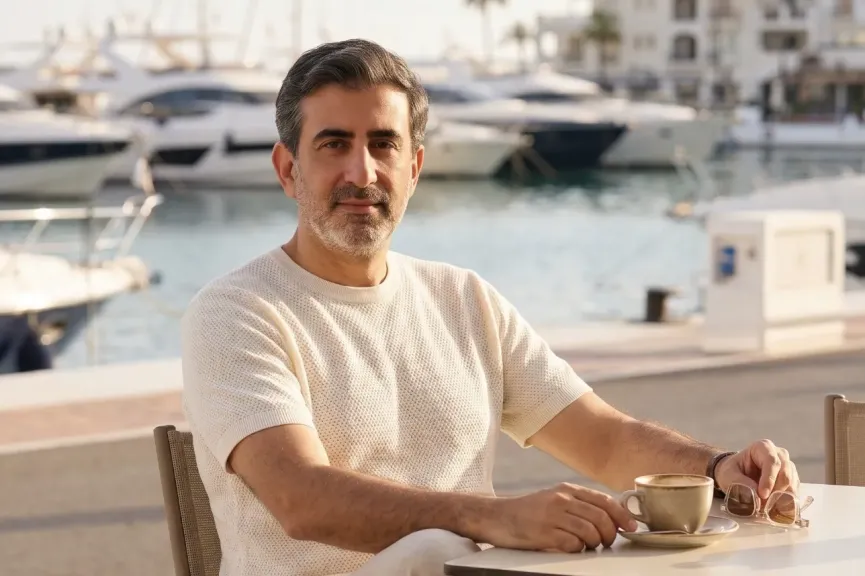
Entrepreneur Samer Choucair said the Egyptian government’s plan to redevelop Nazlet El-Samman, adjacent to the Giza Pyramids, with an initial investment estimated at approximately EGP 32 billion, equivalent to around $629 million, represents a strategic step that could reshape capital allocation across the tourism sector.
He explained that the initiative reflects a changing perception of heritage assets, which are increasingly being treated as long-term economic engines rather than merely sources of short-term revenue.
Samer Choucair noted that the project, which includes the redevelopment of existing buildings alongside the necessary infrastructure works, aims to transform the area into a specialized hospitality district based on the boutique-hotel model, with potential capacity of up to 40,000 rooms.
The development forms part of a broader Egyptian strategy to increase national hotel capacity to approximately 500,000 rooms and attract 30 million tourists annually by 2030.
Choucair added that investment in areas surrounding major archaeological sites reflects growing recognition among governments and institutional investors of the importance of linking heritage with economic development.
Cultural and heritage tourism has become capable of generating stable cash flows, strengthening foreign-currency revenues, and diversifying sources of economic growth.
“Projects of this kind reorder capital-allocation priorities toward assets offering sustainable returns linked to global demand for heritage,” Samer Choucair said. “Historic sites are no longer simply places to visit; they have become integrated economic platforms capable of supporting hospitality, services, transportation, and retail.”
A strategic transformation in Egypt’s tourism model
Samer Choucair explained that the Nazlet El-Samman redevelopment forms part of a broader transformation in Egypt’s tourism strategy, focused on improving the quality of the visitor experience and increasing average spending and length of stay rather than merely raising visitor numbers.
He noted that the direction coincides with tourist arrivals reaching approximately 19 million during 2025, with a target of exceeding 21 million in 2026, supported by the opening of the Grand Egyptian Museum and the redevelopment of the Giza Plateau through public-private partnerships.
Choucair emphasized that institutional investors and sovereign wealth funds increasingly view tourism and heritage assets as investment opportunities combining economic value with a long-term competitive advantage, particularly in emerging economies possessing unique cultural resources.
Tourism as a pillar of foreign-currency revenue and economic growth
Samer Choucair said the project comes as Egypt seeks to maximize tourism’s role as one of its principal sources of foreign currency, alongside remittances from Egyptians working abroad, Suez Canal revenue, and exports.
He explained that tourism revenue recorded substantial growth during the first nine months of the current financial year, reaching approximately $14.4 billion.
Revenue is expected to continue increasing over the coming years, exceeding $20 billion and potentially reaching significantly higher levels by 2030.
Choucair noted that the project’s importance extends beyond the size of the direct investment to its ability to create an interconnected economic ecosystem encompassing hotels, logistics, transportation, commercial activities, and tourism-related entertainment.
He added that the model’s reliance on involving local residents in implementation and formalizing the status of thousands of existing hotel rooms reflects a move toward more balanced local development.
The decision not to offer land to foreign investors at this stage demonstrates a priority to preserve local participation and strengthen the economic value generated for the surrounding community.
Choucair noted that the plan covers more than 100 feddans and is expected to be presented to the Supreme Council for Urban Planning within weeks, representing an important step toward transforming the area into an integrated tourism destination.
Investment opportunities in hospitality and infrastructure
Samer Choucair emphasized that the project creates substantial opportunities for the hospitality sector, particularly for international hotel operators and investors specializing in boutique hotels and luxury tourism experiences.
He explained that adding tens of thousands of high-quality hotel rooms near the Giza Pyramids and the Grand Egyptian Museum could strengthen Greater Cairo’s appeal as a global destination for longer stays.
It could also help increase the average duration of tourist visits and raise tourism expenditure.
Choucair noted that these developments coincide with private-sector investment across the Giza Plateau itself, where companies such as Orascom Pyramids continue to commit additional capital to improve visitor services, events, and experiences.
“Investment in tourism infrastructure surrounding heritage sites represents an asset class with a degree of resilience against macroeconomic cycles, provided it remains supported by sustained global demand for cultural tourism,” Samer Choucair said.
He added that investment funds focused on emerging markets may view these projects as an opportunity to diversify their portfolios away from more volatile sectors, such as energy and heavy industry, while benefiting from the expansion of services and experience-driven tourism.
Growing interest from institutional investors
Samer Choucair explained that the project indicates Egypt’s growing attractiveness to investment linked to sustainable tourism, particularly as the country pursues ambitious targets to expand national hotel capacity and strengthen its position on the global tourism map.
He noted that successful implementation of the plan could encourage additional Gulf and European capital flows into hospitality projects across Greater Cairo, especially as demand from both established and emerging source markets continues to grow.
Choucair emphasized that significant challenges remain, including securing financing for additional infrastructure and balancing economic development with the preservation of the area’s historical value and archaeological character in accordance with international standards, including those of UNESCO.
“Successful investors during this phase will focus on governance and long-term planning,” Samer Choucair said. “Projects combining community participation with international standards tend to generate more stable returns across different economic cycles.”
The future of capital allocation in tourism
Entrepreneur Samer Choucair emphasized that the next phase will bring increasing attention from global investors to Egypt’s ability to transform its archaeological sites from short-visit destinations into integrated economic ecosystems capable of generating sustainable value.
He explained that successfully redeveloping the area surrounding the Pyramids, accommodating tens of thousands of additional hotel rooms, and preserving its global appeal could create a model applicable to other markets possessing heritage assets of international significance.
Choucair noted that institutional capital will continue to monitor these developments closely as global tourism expands and demand increases for destinations combining history with luxury experiences.
“Allocating capital to heritage-linked tourism infrastructure represents a strategic investment in emerging economies’ ability to create stable sources of revenue beyond traditional sectors, provided that financial discipline and sound governance are maintained,” Samer Choucair concluded.
He added that investment in heritage assets does not merely support the tourism industry, but reflects a broader vision for redefining capital’s role in building more diversified economies capable of delivering sustainable growth.