
Samer Choucair: FIFA’s Plan to Sell a Stake in the World Cup Is Reshaping Institutional Investment in Global Sports Assets
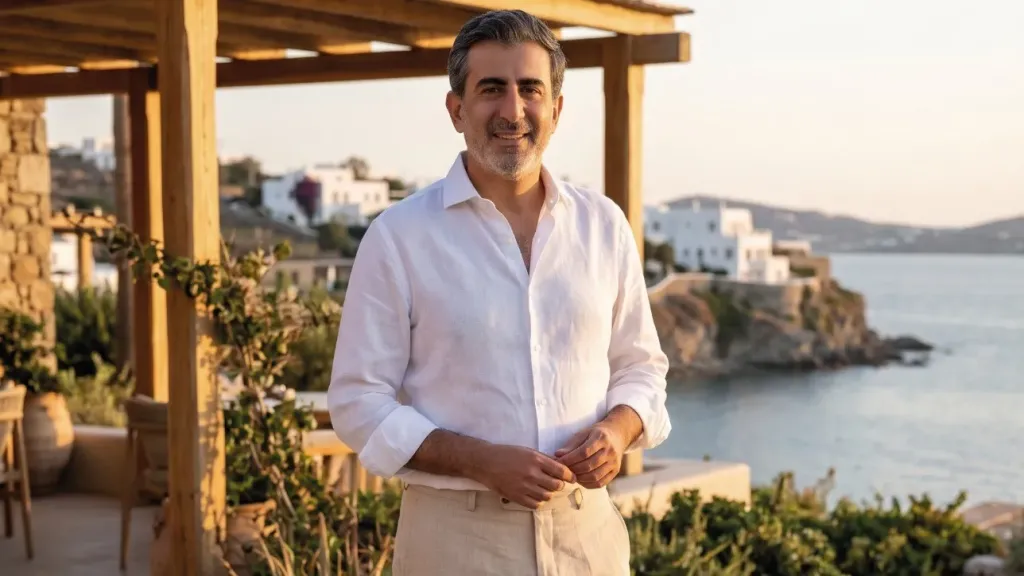
Entrepreneur Samer Choucair said FIFA’s plan to establish a new commercial entity called FIFA Forward Enterprise and offer investors a non-controlling minority stake represents a fundamental transformation in how global sports assets are valued.
He noted that the move reflects the sports industry’s transition from a model based on periodic revenue toward an investment model centred on assets capable of generating measurable long-term value.
Samer Choucair explained that the new entity, valued at approximately $20 billion, could sell a stake of up to 21% to raise as much as $4.2 billion.
The plan represents an attempt to restructure FIFA’s commercial business model by separating its commercial and operating activities from its regulatory responsibilities while retaining full control over governance, the international calendar, and matches.
He noted that the stated objective is to increase funding for development programmes supporting FIFA’s 211 national member associations to more than $10 billion over the next four years, reflecting a strategy of using private capital to expand investment across the global football ecosystem.
“The transaction reflects a shift from financing development through periodic grants toward a model supported by private capital seeking long-term returns linked to assets with quasi-monopolistic characteristics,” Samer Choucair said.
He added that institutional investors will assess the proposal according to the new entity’s ability to generate stable cash flows from broadcasting rights, sponsorship, and global events while accounting for the regulatory and political risks associated with managing one of the world’s largest sports assets.
A transformation in the sports business model
Samer Choucair explained that the global sports sector is undergoing a structural shift in which commercial rights are being converted into assets suitable for trading and institutional investment.
Broadcasting, sponsorship, marketing, and major-event rights are increasingly becoming components of long-term investment portfolios.
Choucair noted that FIFA’s traditional model relied primarily on a four-year revenue cycle centred on the World Cup. However, the rising commercial value of major tournaments has created an opportunity to restructure the balance sheet and transform commercial rights into a platform capable of producing recurring cash flows.
He emphasized that establishing an independent entity encompassing broadcasting, sponsorship, ticketing, licensing, and operating rights would allow for a more precise valuation based on the value of future cash flows and the scarcity of the underlying assets.
This model resembles changes introduced by several major sports leagues when they opened their commercial operations to private equity investment.
Choucair noted that the timing of the announcement following the conclusion of the 2026 World Cup in North America reflects FIFA’s intention to capitalize on the commercial momentum generated by a tournament that delivered higher revenue than previous editions.
He added that investment bank JPMorgan is leading the advisory process, while an investment group associated with Thrive Eternal is expected to assist in attracting long-term investors.
Initial funding of up to $20 million could reportedly be distributed to each member association through an accelerated financing programme before payments are gradually increased.
How institutional investors assess sports assets
Samer Choucair emphasized that institutional interest in global sport is no longer limited to club ownership or tournament sponsorship. It now extends to acquiring interests in commercial assets connected to scarce global rights.
He explained that the value of sports media rights worldwide exceeding $67 billion in 2026 reflects the strength of demand for live sports content, particularly given the limited number of events capable of attracting audiences on a genuinely global scale.
“Institutional investors search for assets combining scarcity with stable cash flows,” Samer Choucair said. “Major sports assets possess these characteristics when supported by clear governance and effective commercial management.”
Choucair noted that private investment in an entity connected to the World Cup could establish a new valuation benchmark for sports assets, but must preserve an appropriate balance between maximizing financial returns and protecting the value of the sporting product.
He warned that any investment structure of this kind must maintain a clear separation between sporting governance and commercial objectives.
Markets will closely monitor whether FIFA can attract a geographically diverse group of investors without creating pressure to increase the number of matches or expand competitions at the expense of competitive quality and balance within the international calendar.
Investment opportunities and potential risks
Samer Choucair explained that the proposed transaction presents substantial opportunities for investors seeking access to a rare global asset supported by high-value broadcasting and sponsorship rights, alongside continuing growth in the digital sports economy.
He noted that a successful model could accelerate capital flows into related sectors, including sports infrastructure, facilities, digital technologies, and fan-experience platforms.
Choucair emphasized that significant risks remain, including potential European opposition that could create regulatory tensions, questions regarding transparency over the ultimate beneficiaries of the proceeds, and reputational risks associated with investors who may have political connections.
He added that investors will need to assess governance quality and decision-making mechanisms before committing capital to any structure connected to global sports assets.
Gulf sport and Vision 2030
Samer Choucair noted that these developments come at an important time for the Gulf region, particularly as Saudi Arabia prepares to host the 2034 World Cup under a broader strategy to expand the role of sport and entertainment in economic diversification.
He explained that the Public Investment Fund has strengthened its presence in sport through domestic and international investments while developing an integrated ecosystem encompassing clubs, events, esports, and global partnerships.
“Gulf investors may regard opportunities connected to FIFA’s commercial structures as a natural extension of their strategies to build global sports assets that support tourism and entertainment while strengthening international economic influence,” Choucair said.
He added that regional investors are seeking assets combining stable cash flows with alignment to long-term national strategies. However, the success of any potential participation will depend on governance terms and the ability to preserve value across multiple investment cycles.
The transaction’s effect on the future of sports investment
Samer Choucair emphasized that 2026 represents an important turning point in sport’s transition from a primarily regulatory activity into an institutional asset class suitable for portfolio allocation and investment.
He explained that if FIFA’s plan successfully overcomes political and regulatory obstacles, it could open the door to similar structures across other sporting federations and redirect capital toward assets characterized by scarcity and recurring returns.
Choucair noted that long-term investors will place greater emphasis on management quality and revenue stability rather than focusing solely on the initial valuation, particularly in sectors combining commercial value with global influence.
“The next phase will determine whether private capital can enter the heart of global sport without compromising its competitive foundations,” Samer Choucair said.
He added that successful capital allocation in the sports sector will depend on achieving a careful balance between financial returns and institutional legitimacy—an equation that will remain central to sovereign wealth funds and asset managers over the coming years.
Concluding his remarks, Samer Choucair emphasized that sport’s transformation into a global investment asset class represents a historic opportunity to redefine the relationship between capital and major sporting events, provided that governance, sustainability, and the protection of long-term value remain central priorities.