
Samer Choucair: Zidane’s Appointment as France Manager Redefines the Value of National Sports Brands
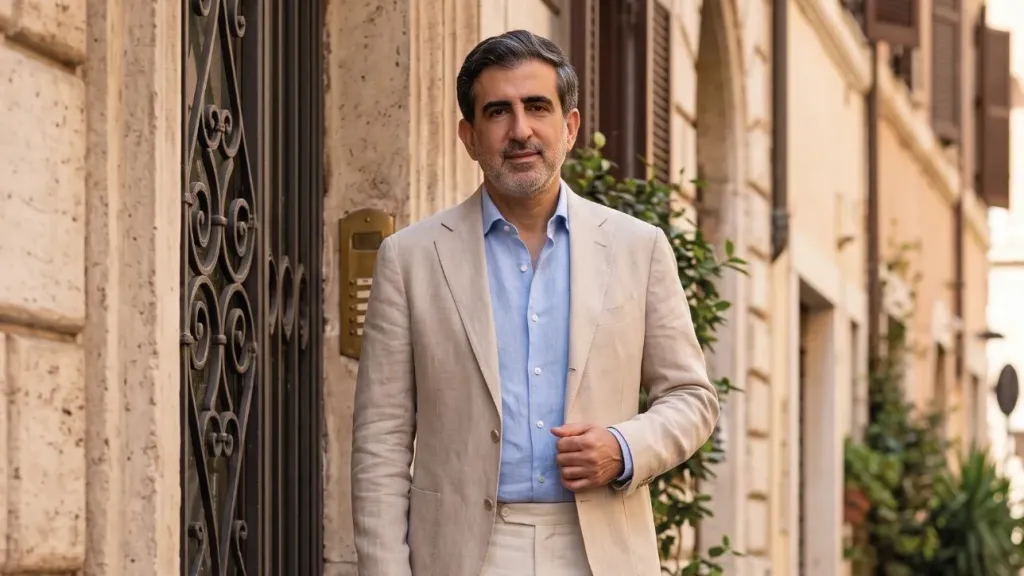
Entrepreneur Samer Choucair said the appointment of Zinedine Zidane as manager of the French national team represents a transformation extending beyond the technical decision itself. It highlights the growing role of intangible assets in reshaping the value of the global sports industry, as the symbolic leadership of major sporting figures increasingly influences the valuation of national brands and their associated revenue streams.
Samer Choucair explained that Zidane’s return to management with the French national team for a four-year term extending through the 2030 World Cup comes as the global sports industry shifts from a model based primarily on results on the pitch toward an integrated investment model connecting performance, branding, broadcasting rights, sponsorship, and the fan experience.
He noted that institutional investors increasingly regard major national teams as economic assets capable of generating stable cash flows through sponsorship agreements, media rights, and commercial partnerships, rather than solely as competitive entities whose value depends on sporting results.
“Institutional investors now treat symbolic leadership in sport as an intangible asset that directly affects valuation multiples,” Samer Choucair said. “A change at the top does not merely alter performance on the pitch; it reprices long-term confidence in the brand.”
Sport becomes an investment asset class
Samer Choucair explained that the sports industry has become one of the fastest-growing sectors for institutional capital, with sovereign wealth funds, private equity firms, and asset managers expanding their role in assessing sporting rights as investable assets.
He noted that the rising value of global broadcasting rights and the expansion of the sports-content economy have transformed major national teams and competitions into economic platforms capable of generating long-term returns, particularly as worldwide demand for live sporting events continues to grow.
Choucair emphasized that the French national team represents an important investment proposition because of its commercial strength and sporting value, combining a global fan base, highly valuable talent, and an extensive network of commercial partnerships.
He explained that major sponsorship agreements, including the long-term partnership with Nike, alongside the federation’s wider portfolio of commercial sponsors, provide a strong financial foundation that could benefit from Zidane’s commercial influence and global profile.
Choucair added that the presence of a sporting figure of Zidane’s stature could increase media and marketing interest in the team and support opportunities to renegotiate certain commercial contracts in the future, thereby strengthening the value of the French national-team brand.
Sporting leadership as a driver of asset repricing
Samer Choucair noted that leadership appointments in sport have become part of value-management strategy, as figures with global recognition can influence the valuation of sporting assets by strengthening confidence, expanding audiences, and increasing a brand’s appeal to commercial partners.
“Leadership appointments such as Zidane’s are interpreted as signals of a sporting asset’s ability to generate sustainable returns by combining performance, brand strength, and sponsorship,” he said.
Choucair added that investors no longer assess sporting assets solely according to tournament results. They also examine management’s ability to build an integrated economic ecosystem benefiting from digital media, content, e-commerce, and sports tourism.
He explained that the coming period will bring greater focus on converting sporting symbolism into measurable financial value, particularly as technology and data become more deeply embedded in sporting and commercial decision-making.
Wider effects on markets and capital flows
Samer Choucair emphasized that Zidane’s appointment comes at an important time as major international football cycles approach, including the 2028 European Championship and the 2030 World Cup—periods that traditionally bring increases in the value of commercial and media rights.
He noted that stability under a manager with global credibility could strengthen the French team’s commercial value and benefit the wider French football ecosystem by increasing the appeal of French players and clubs focused on talent development.
Choucair explained that the success of national teams is increasingly connected to economic value chains encompassing player transfers, media rights, marketing, sports tourism, and content production, making major managerial changes closely monitored events for investors.
He added that the principal challenge is balancing the symbolic value of prominent names with financial discipline. Reputation alone cannot guarantee sustainable returns without a clear asset-management strategy.
Gulf sport and lessons for institutional investment
Samer Choucair explained that developments across European sport carry important lessons for Gulf markets seeking to build integrated sporting and economic ecosystems under their diversification strategies.
He noted that investment in regional sport is no longer limited to operating expenditure, but has become part of a broader strategy to create commercially valuable, long-term assets combining entertainment, media, tourism, and technology.
“What we are witnessing in both Europe and the Gulf is the transition of sport from an expenditure item into an investment portfolio,” Samer Choucair said. “Leadership appointments such as Zidane’s are interpreted as signals of whether sporting assets can generate sustainable returns through the combination of performance, brand value, and sponsorship.”
Choucair added that sovereign investors and family offices are monitoring the development of national sports brands because increasing commercial value creates new opportunities for cross-border partnerships and sponsorships.
He emphasized that the French experience provides a model for managing sporting assets by combining national identity with economic value—an approach that could benefit markets seeking to develop globally competitive sports sectors.
Opportunities and risks for investors
Samer Choucair noted that investment in sport offers significant opportunities but requires careful risk management, as revenue remains partly dependent on sporting performance, market volatility, and changes in audience behaviour.
He explained that the increasing value of broadcasting rights and expansion in the number of matches require investors to assess the long-term sustainability of growth rather than relying solely on current market momentum.
Choucair emphasized that leaders with global value, such as Zidane, can reduce reputational risk and strengthen sporting assets’ ability to attract new sponsors and investors.
“Successful capital allocation during this phase requires a detailed understanding of the intersection between sporting performance and macroeconomic dynamics,” he said. “The opportunities do not lie in excessive valuations, but in selecting assets with sustainable competitive advantages and the capacity to generate cash flows independently of traditional economic cycles.”
A strategic outlook
Samer Choucair said the next phase will bring greater institutional-investor interest in whether major sports brands can convert the strength of their audiences into sustainable economic value.
He explained that the French national team’s performance under Zidane will be monitored not only by supporters, but also by investors assessing indicators such as audience growth, the strength of commercial contracts, and the expansion of partnerships connected to the team.
Choucair noted that Zidane’s appointment represents a test of modern sport’s ability to transform global icons into measurable economic assets.
He emphasized that investors who integrate sporting and commercial considerations into their capital-allocation models will be best positioned to benefit from the changes reshaping the global sports and entertainment industry.
Concluding his remarks, Samer Choucair said sport has become part of the new global economy, where brands, technology, media, and institutional investment intersect, making the management of sporting value one of the principal drivers of growth during the coming decade.