
Blackstone Opens Kuwait Office Following $16 Billion Pipeline Deal: Samer Choucair Assesses the Transformation of Global Capital
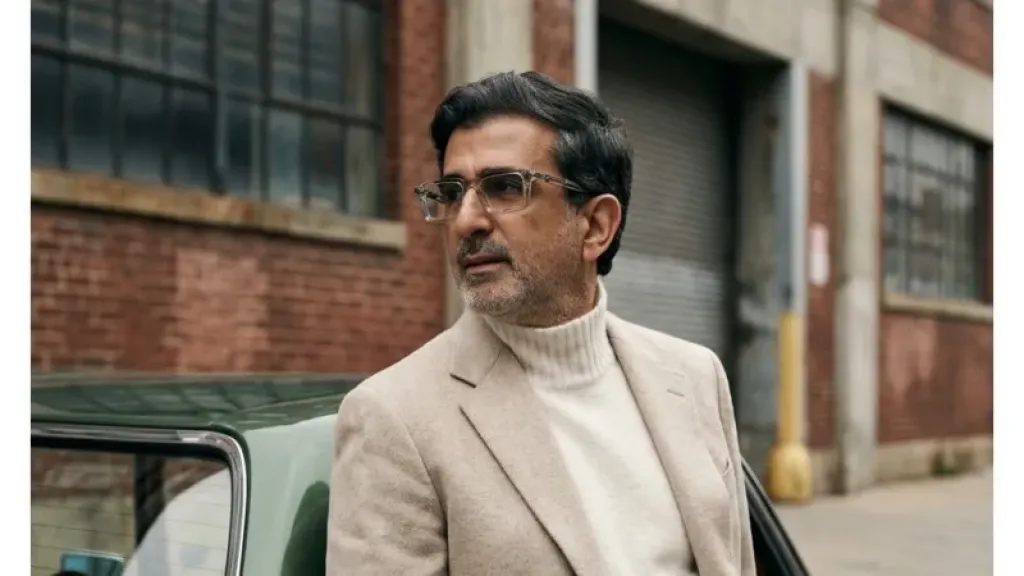
Entrepreneur Samer Choucair said the $16 billion lease transaction involving Kuwait’s oil pipeline network, concluded by Kuwait Petroleum Corporation with a consortium comprising Blackstone, Brookfield, and KKR, represents the largest foreign direct investment in Kuwait’s history and reflects a fundamental shift in how institutional investors view Gulf infrastructure assets.
Choucair explained that Blackstone’s announcement that it will open a new office in Kuwait during the third quarter of 2026 confirms that its strategy extends beyond completing a single transaction. The firm is seeking to establish a long-term investment and operating presence in the Kuwaiti market despite continuing geopolitical tensions across the region.
He added that the move provides a clear indication that investors are repricing geopolitical risk against the stable returns offered by midstream energy infrastructure, reshaping capital-allocation strategies among global institutions.
Kuwait redeploys its strategic assets
Samer Choucair noted that Project Shaheen introduces a new model for monetizing strategic infrastructure without relinquishing national ownership or operating control.
He explained that Kuwait Oil Company retained a 51% interest in the joint venture, while the investment consortium acquired the remaining 49% in equal proportions. In return, the consortium received rights to use 13 pipelines extending approximately 320 kilometres for 20.5 years under a tariff linked to the volume of oil transported.
Choucair added that the expected upfront cash proceeds of $7.85 billion upon completion of the transaction will help finance Kuwait’s capital-expenditure programme, which aims to increase production capacity to four million barrels per day by 2035.
He emphasized that this structure allows the state to release financial liquidity to support its development plans while retaining full control over strategic assets.
A Gulf model gains new momentum
Samer Choucair explained that the transaction’s financing structure is not an isolated case, but an extension of similar models implemented by Gulf oil companies in recent years.
He added that the Kuwaiti experience is distinguished by its timing, as the country successfully attracted long-term institutional capital in a regional environment characterized by elevated geopolitical risk.
Choucair noted that this reflects global investors’ confidence in the stability of cash flows generated by essential oil infrastructure.
“Institutional investors are no longer searching for the complete absence of geopolitical risk,” he said. “They are looking for assets connected to actual production and supported by clear sovereign protection. Kuwait has successfully presented a model that preserves national sovereignty while offering global institutions a measurable investment return.”
Blackstone expands its Gulf presence
Samer Choucair noted that Blackstone’s expansion across the Gulf, following the establishment of its Abu Dhabi office and its additional regional growth plans, reflects intensifying competition among the world’s largest alternative asset managers for opportunities linked to sovereign wealth funds and economic-diversification programmes.
He explained that Kuwait, which had previously progressed more slowly than some neighbouring Gulf countries in attracting foreign direct investment, is now using its midstream assets to reposition itself on the global investment map.
Choucair added that the proceeds from the transaction will support plans to increase production capacity, reducing pressure on the public budget and creating a positive investment cycle based on recycling capital to finance future growth projects.
Private capital markets monitor the Kuwaiti model
Samer Choucair said the transaction represents an important test of whether lease-and-leaseback structures can attract capital to infrastructure assets in markets with elevated political risk.
He explained that linking operating tariffs to the volume of oil transported directly connects investor returns to actual production, making the transaction resemble a debt instrument secured by a strategic asset more than a conventional equity investment.
Choucair added that this model reduces exposure to short-term oil-price volatility and shifts investor attention toward the stability of transported volumes and the sustainability of cash flows.
He emphasized that the success of the transaction could pave the way for a new wave of midstream infrastructure monetizations across the Gulf.
“Kuwait’s ability to attract three of the world’s largest alternative asset managers to a single transaction of this scale sends a clear message to global markets that competition for institutional capital is no longer confined to traditional financial centres,” Choucair said.
He added that capital-allocation strategies in 2026 are increasingly favouring assets connected to the real economy and capable of generating stable returns away from short-term speculation.
Choucair also noted that the participation of global partners of this scale strengthens governance, disclosure, and operating standards, even as the state retains its majority ownership.
The transaction supports Gulf economic diversification
Samer Choucair explained that the transaction confirms continuing global demand for traditional energy assets as a source of financing for economic-diversification programmes rather than as an obstacle to economic transformation.
He added that Kuwait’s plans to increase production capacity are consistent with wider Gulf strategies to strengthen export capabilities while investing in logistics and industrial infrastructure.
Choucair noted that Blackstone’s permanent office in Kuwait could create opportunities for additional investment in real estate, logistics, and private credit as the company continues to expand its presence across the Gulf Cooperation Council.
Opportunities and risks for investors
Samer Choucair identified the expansion of institutional investment in energy infrastructure and the growing appeal of financing models linked to long-term cash flows as the principal investment opportunities.
He added that the success of the transaction could encourage global infrastructure funds to examine similar opportunities in gas, transportation, and renewable energy across the region.
However, Choucair noted that geopolitical tensions will remain among the most important factors affecting asset pricing. The transaction’s structure, which links returns to production volumes while maintaining local management, nevertheless provides investors with a degree of protection.
He added that fluctuations in global interest rates and inflation levels will also require close monitoring, although production-linked cash flows offer some protection compared with conventional financial assets.
A future outlook
Concluding his remarks, Samer Choucair emphasized that Kuwait’s move reflects a structural transformation in institutional capital-allocation strategies during 2026, as global investment organizations rebuild their portfolios around assets capable of creating long-term economic value within financially strong economies demonstrating a clear commitment to diversification.
He added that through Project Shaheen and Blackstone’s new office, Kuwait is entering a new phase of competition for global capital and may offer a model that other countries can use to finance development plans while preserving ownership of strategic assets.
Choucair noted that the successful completion of the transaction and the launch of the new office’s operations could pave the way for similar agreements across gas, transportation, and renewable energy, strengthening Kuwait’s position as a growing destination for institutional investment in the region.
“Global capital is increasingly searching for real assets capable of generating stable cash flows,” Samer Choucair concluded. “This gives Gulf infrastructure an opportunity to strengthen its position as one of the most important long-term investment categories in the years ahead.”