
Samer Choucair: Interconnected AI Financing Is Imposing New Standards for Capital Allocation
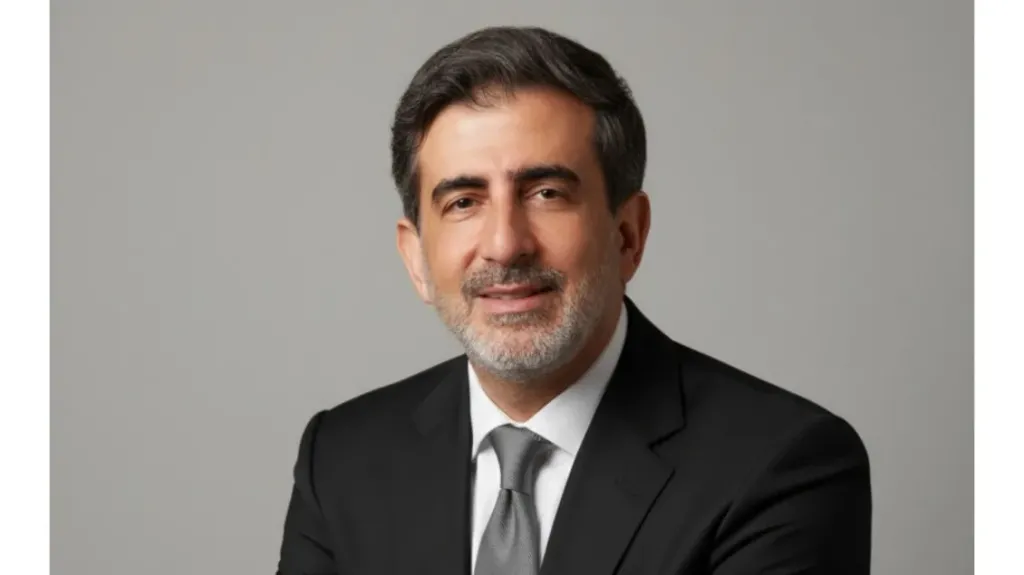
Entrepreneur Samer Choucair said the acceleration of global investment in artificial intelligence reflects a structural transformation in capital markets. At the same time, it requires institutional investors to examine the sources of growth and the quality of revenue more carefully as links deepen among chipmakers, data-centre operators, model developers, and cloud-computing providers.
Choucair explained that the artificial intelligence sector captured the largest share of global venture capital financing during 2026, as investment continued to flow into computing and data-infrastructure projects, supporting higher valuations for several major companies operating in the sector.
He noted that agreements concluded by leading companies, particularly NVIDIA, with partners in semiconductors, memory, and data centres demonstrate the continuing expansion of the artificial intelligence investment ecosystem.
However, Choucair emphasized that the assessment of these transactions must distinguish between actual capital investment and the potential value of projects extending over several years, as announced figures do not always represent immediate revenue or fully executed contracts.
Samer Choucair added that rising global expenditure on artificial intelligence infrastructure supports expectations of stronger productivity and digital-economic growth over the long term.
It also requires close monitoring of debt levels, the sustainability of final demand, and the quality of corporate cash flows generated independently of reciprocal financing arrangements within the wider ecosystem.
Choucair emphasized that institutional investors are increasingly focused on companies’ ability to generate independent operating revenue rather than merely benefit from a period of elevated valuations.
He noted that governance, efficient capital management, and transparency in financial disclosure have become central considerations in investment decision-making.
Samer Choucair explained that Saudi Arabia has an opportunity to strengthen its position in the digital economy through growing investment in artificial intelligence, data centres, and computing infrastructure.
This aligns with the objectives of Saudi Vision 2030 to diversify the economy and attract high-quality investment, while emphasizing the development of domestic capabilities and long-term strategic partnerships.
Choucair added that Gulf markets can benefit from this global transformation by investing in assets connected to digital infrastructure and advanced technologies while maintaining a balanced approach that accounts for risk management and the economic fundamentals of each project.
Concluding his remarks, Samer Choucair emphasized that the current artificial intelligence cycle represents a historic investment opportunity, but one that requires discipline in capital allocation and a focus on companies capable of generating sustainable economic value.
He noted that investors who successfully balance innovation, governance, and revenue quality will be best positioned to benefit from the next wave of growth.