
Samer Choucair: The Market Value of Arab National Teams Is Emerging as a New Investment Asset After the 2026 World Cup
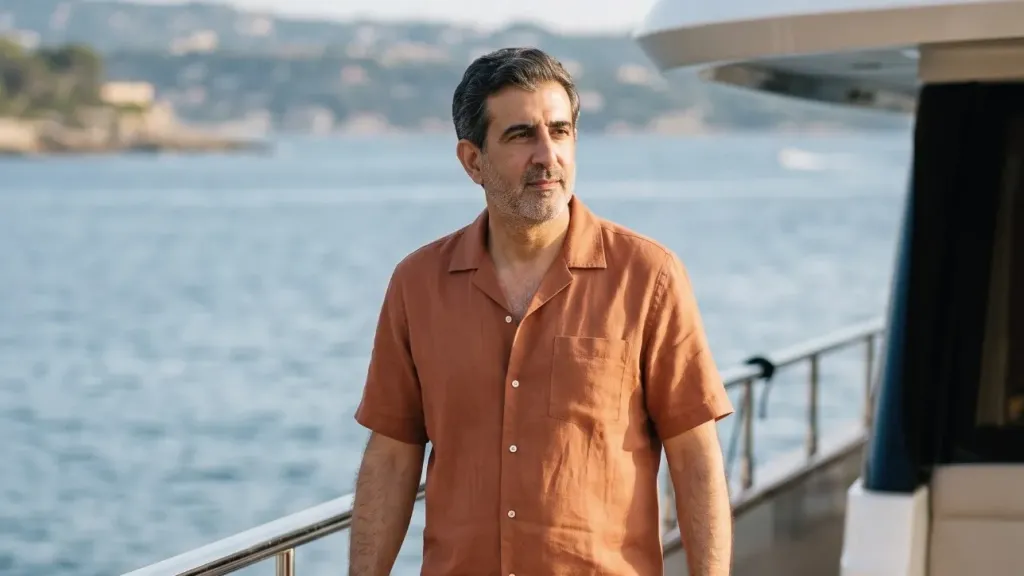
Entrepreneur Samer Choucair believes the rapid increase in the market value of players representing Arab national teams following the 2026 World Cup reflects an important transformation in the region’s sports industry.
Football is no longer merely a competitive sport. It has become an asset within the creative economy capable of attracting investment, strengthening soft power, and diversifying sources of economic growth.
Global player-valuation data indicates that several Arab national teams now rank prominently in terms of market value, supported by a rising number of players competing in Europe’s major leagues, improved talent-identification programmes, and increased investment in academies and sports infrastructure.
Morocco stands out as a model of how to build a system combining domestic player development with access to Arab talent based across Europe. National teams including Algeria, Egypt, and Tunisia are also strengthening their presence through emerging generations of players.
Samer Choucair emphasized that the market value of national teams has become an indicator extending beyond technical performance because it reflects a country’s ability to convert sporting human capital into scalable economic value.
“Genuine investment in football is not limited to player acquisitions or sponsorship agreements,” Samer Choucair said. “It requires the development of an integrated ecosystem beginning with talent identification, training, and performance analysis, and extending into digital media, tourism, and commercial events.”
Choucair added that the global expansion of the sports economy is encouraging institutional investors to reassess the sector as a source of long-term growth opportunities, particularly as investment funds increase their exposure to football clubs, sports platforms, and technologies related to performance analysis and talent management.
Across the Gulf, sports investment has become part of broader economic-diversification strategies. Saudi Arabia and other regional economies are working to develop integrated sports industries that combine financial returns with wider developmental impact through hosting major tournaments, developing facilities, and supporting businesses connected to sport and entertainment.
Samer Choucair noted that the next phase will involve a shift away from traditional sports investment toward the creation of sustainable sports assets.
“An intelligent investor views sport as an integrated economic ecosystem encompassing human capital, technology, media, and tourism, rather than as an isolated entertainment sector,” he said.
As the global football market continues to expand, the ability of Arab countries to develop talent and strengthen sports governance will become decisive in attracting capital and converting sporting success into sustainable economic value.