
Falling US Inflation Reshapes Monetary Policy: Samer Choucair Explains the Market Implications
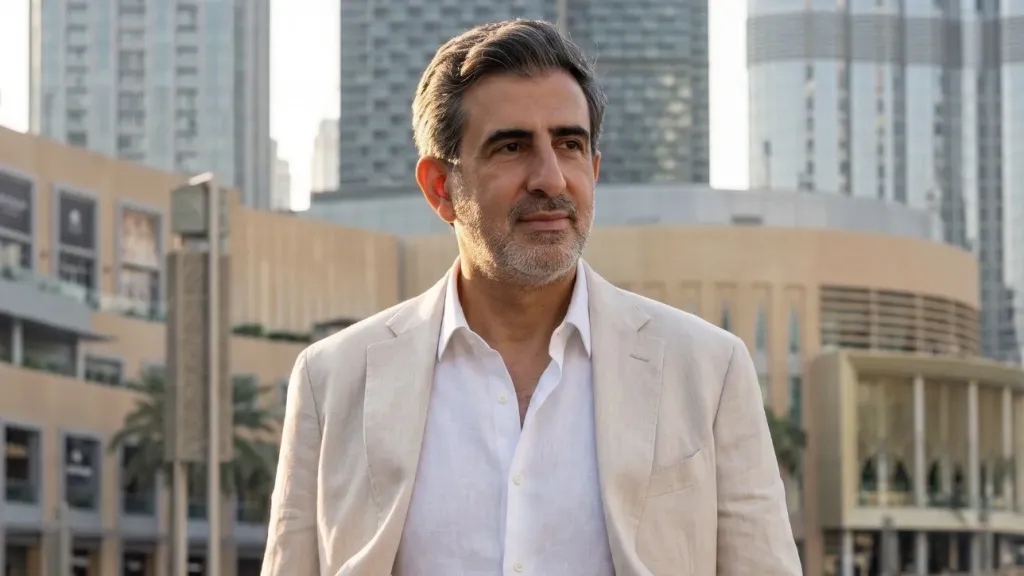
Entrepreneur Samer Choucair said the decline in US inflation to 3.5% in June gave Federal Reserve Chair Kevin Warsh temporary room to manage monetary policy without immediate pressure to raise or lower interest rates, with the target range remaining at between 3.5% and 3.75%.
Choucair explained that this development reshaped global market expectations for the direction of US monetary policy and directly influenced institutional capital flows toward assets that are particularly sensitive to interest-rate movements, including sovereign bonds, equities, and private-credit instruments.
He added that the pause gives institutional investors and sovereign wealth funds an opportunity to reassess asset allocation in an environment where inflation remains above the Federal Reserve’s 2% target and the US labour market continues to demonstrate considerable strength.
Samer Choucair emphasized that such periods require a careful assessment of the balance between price stability and economic growth, because poor timing in monetary-policy decisions could trigger a broad repricing of risk across global markets.
June data reinforces a cautious approach
Samer Choucair noted that the US Consumer Price Index declined by 0.4% month on month in June, driven primarily by lower energy costs.
This represented the first monthly decline in six years, while annual inflation fell to 3.5% from 4.2% in May.
Despite this improvement, Choucair said core inflation remained above the Federal Reserve’s long-term target, preserving the need for a cautious monetary-policy approach.
He added that Kevin Warsh told Congress during testimony in mid-July that the monetary-policy committee would not tolerate persistently high inflation and reaffirmed its commitment to restoring price stability.
However, he avoided offering advance guidance on the future direction of interest rates.
Choucair explained that this approach, which moved away from conventional forward guidance, reduced the market’s immediate dependence on lengthy official explanations but increased uncertainty surrounding the decisions expected at the Federal Reserve’s late-July meeting.
He emphasized that the new communication style reflects a shift in monetary-policy philosophy toward greater reliance on actual economic data rather than predetermined expectations.
Institutional investors must therefore focus more closely on productivity and capital-investment growth, both of which the Federal Reserve has described as resilient and capable of supporting economic expansion without necessarily generating additional inflationary pressure.
Inflation data redirects capital flows
Samer Choucair said the latest inflation figures reduced market expectations of further interest-rate increases during the second half of 2026.
This was reflected in lower US government-bond yields and the repricing of a broad range of interest-rate-sensitive assets.
He explained that medium-term US Treasuries were among the principal beneficiaries as long-term inflation expectations declined, with ten-year breakeven inflation rates falling toward 2.2%.
Equity markets also benefited from the temporary pause, particularly sectors that depend heavily on lower-cost financing, including technology, artificial intelligence, and commercial real estate.
However, consumer-demand sectors could face renewed pressure if inflation begins rising again because of oil-price volatility associated with geopolitical developments in the Middle East.
Choucair emphasized that current capital-allocation strategies are increasingly favouring assets that combine current income with a degree of inflation protection, including certain categories of private credit and infrastructure projects.
He added that sovereign wealth funds and global asset managers have reassessed their allocations to emerging markets as the US dollar benefits from monetary-policy stability, supporting foreign direct investment flows.
Direct implications for Saudi Arabia and the Gulf economy
Samer Choucair said the path of US interest rates is closely connected to Gulf economies through exchange rates, financing costs, and oil prices.
He explained that maintaining the current interest-rate range creates a more predictable financing environment for Saudi Vision 2030 projects, particularly in manufacturing, tourism, infrastructure, and artificial intelligence.
Choucair added that the Saudi market could benefit from reduced pressure on the dollar, supporting continued foreign investment flows into Tadawul as the Public Investment Fund continues to lead strategic investment activity.
He also noted that relatively stable energy prices, which were among the principal factors contributing to lower US inflation, support government revenue and provide greater room for continued capital expenditure on economic-diversification programmes.
Choucair emphasized that regional investors should monitor closely how the Federal Reserve responds to any renewed increase in energy prices.
Such a scenario could restore global inflationary pressure and alter capital flows toward Gulf assets linked to energy and digital transformation.
Risks and opportunities for institutional investors
Samer Choucair identified the potential return of inflationary pressure as one of the principal risks, particularly if geopolitical tensions escalate or the US labour market remains tight enough to drive further wage growth.
However, he noted that continued productivity improvements supported by artificial intelligence applications could act as a counter-inflationary force over the medium term, giving Kevin Warsh greater flexibility in managing monetary policy.
Choucair explained that the current environment offers opportunities to rebuild positions in high-quality bonds and corporate credit while maintaining sufficient liquidity to respond to any sudden change in the direction of monetary policy.
He emphasized that the absence of forward guidance increases the importance of independent fundamental analysis rather than relying exclusively on official signals.
The monetary-policy outlook through the end of 2026
Concluding his remarks, Samer Choucair said the most likely short-term scenario is for the Federal Reserve to leave interest rates unchanged at its next meeting, taking advantage of the temporary relief provided by June’s inflation data.
He added that Kevin Warsh’s ability to preserve the central bank’s independence while restoring price stability will be decisive in maintaining market confidence in US monetary policy throughout the remainder of 2026 and beyond.
Choucair emphasized that institutional investors must balance the opportunities created by temporary stability with preparation for a broad range of potential outcomes, whether inflationary pressure persists or inflation declines more rapidly toward the Federal Reserve’s target.
Successful investment in the current environment, he concluded, will depend on allocating capital according to a long-term structural perspective rather than reacting to individual monthly data releases, allowing investors to capture opportunities across global and regional markets while managing risk effectively.