
Samer Choucair: Spain’s World Cup Victory Reflects Sport’s Transformation into a Long-Term Global Investment Asset
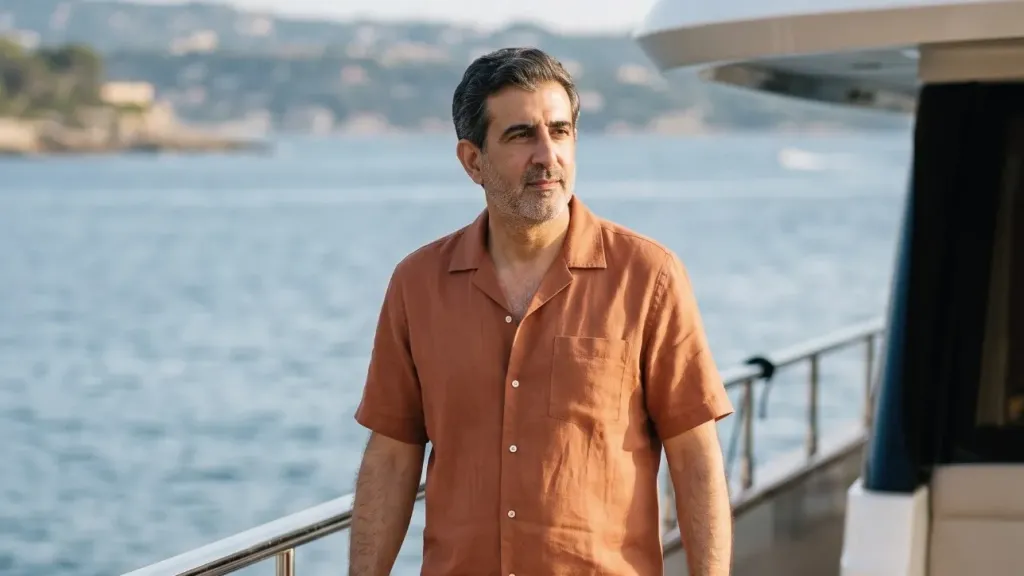
Entrepreneur Samer Choucair said Spain’s victory at the 2026 FIFA World Cup reflects a broader transformation in the concept of sports investment, as sport has evolved into an integrated economic sector combining commercial returns, soft power, and long-term capital flows.
He noted that institutional investors and sovereign wealth funds increasingly regard sports assets as strategic components of their investment portfolios.
Samer Choucair explained that the global sports economy is no longer limited to revenue generated by matches and tournaments. It has become an extensive ecosystem encompassing broadcasting rights, commercial sponsorship, infrastructure, hospitality, sports tourism, and digital technologies, which explains the growing flow of capital into the sector in recent years.
“The investment lesson offered by successful sporting models is that disciplined control and efficient long-term management of an asset create greater value than rapid decisions based on poorly planned expansion,” Samer Choucair said.
Choucair noted that Spain’s style of play throughout the tournament, based on possession, organization, and patience, offers a clear analogy for successful portfolio management.
Major institutions tend to build substantial positions in high-quality assets and retain them to generate sustainable returns rather than pursue short-term gains.
He added that institutional investors are increasingly focusing on the ability of sports assets to produce recurring cash flows through brands, media rights, and audience engagement, rather than assessing them solely according to immediate sporting results.
Samer Choucair emphasized that the economic value of major tournaments extends far beyond the event itself.
Such competitions influence multiple sectors, including tourism, hotels, transportation, digital services, and e-commerce, making them an important part of economic-development strategies in many countries.
Choucair explained that the 2026 World Cup provided a new model for the integration of sport into the global economy, with major tournaments becoming platforms for attracting investment and strengthening both national brands and the international companies associated with sponsorship and marketing.
“Investment in sport is no longer an entertainment-related decision,” Samer Choucair said. “It has become an instrument for allocating capital toward assets capable of creating economic value and generating long-term influence.”
He noted that the Gulf region, particularly Saudi Arabia, is among the principal beneficiaries of this transformation as sports investment becomes increasingly connected to economic-diversification programmes, Saudi Vision 2030, and the development of infrastructure, events, tourism, and entertainment.
Samer Choucair added that the entry of Gulf sovereign wealth funds into the sports sector reflects a growing understanding of the role sport can play in building economic brands, attracting foreign investment, and developing new industries connected to the digital economy and entertainment experiences.
He emphasized that funds linking sports investment to a broader ecosystem encompassing tourism, technology, and infrastructure are better positioned to create sustainable value than investments focused exclusively on competitive performance.
Choucair said future investment opportunities within the sports economy include digital broadcasting platforms, artificial intelligence-powered performance analytics, sporting-goods companies, hospitality linked to major events, digital payment solutions, and technologies that improve the fan experience.
He explained that the growth of the sports economy is also creating opportunities for private equity and venture capital funds to invest in emerging areas such as esports, crowd-management technologies, and specialist data-analysis solutions.
Samer Choucair highlighted the importance of governance within the sector, warning that high valuations for certain sports assets do not necessarily indicate sustainable economic value.
Investors must distinguish between an asset’s media value and its genuine operational value.
“Successful institutional investment in sport requires careful analysis of cash flows, brand strength, and management’s ability to build a sustainable economic model,” Samer Choucair said. “It cannot rely solely on popularity or media momentum.”
Choucair explained that global investors will continue reallocating their portfolios toward assets combining growth with resilience, particularly as the structure of international markets changes and assets capable of preserving value across different economic cycles become increasingly important.
He emphasized that sport has become one of the sectors combining financial investment with strategic influence, explaining the growing interest of governments, sovereign wealth funds, and international companies in expanding their presence within the industry.
Concluding his remarks, Samer Choucair said disciplined control and strategic patience represent a shared foundation for both sporting and investment success, as genuine value creation requires a long-term vision and disciplined asset management.
He added that the next phase will bring continued growth in the global sports economy, accompanied by a greater movement of capital toward projects combining strong operating performance, innovation, and the ability to generate sustainable economic value.