
Samer Choucair: Declining Strength of the US Passport Is Reshaping Global Capital Flows
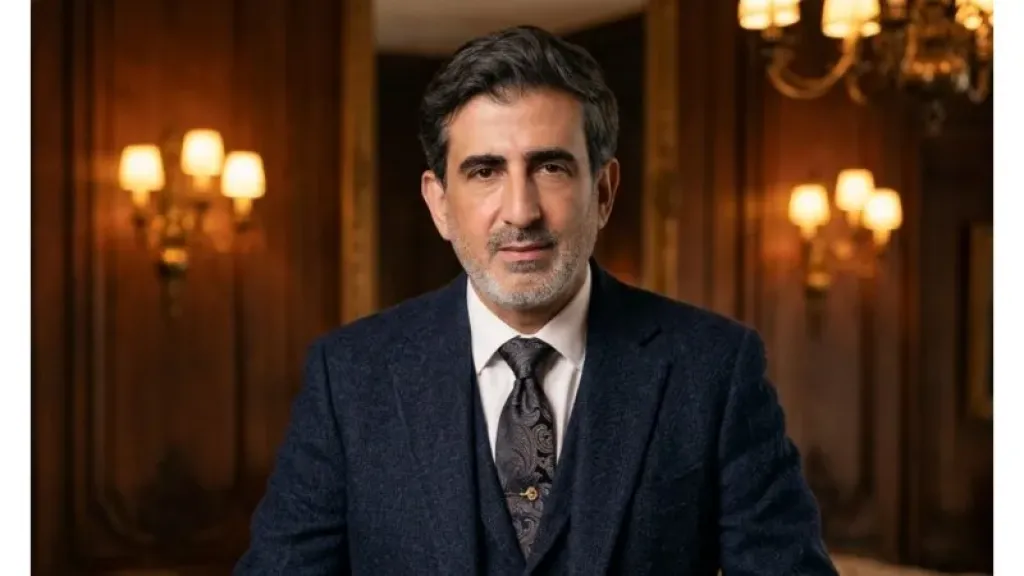
Entrepreneur Samer Choucair said the decline of the US passport to tenth place globally, with visa-free access to 180 destinations according to the 2026 Henley Passport Index, represents a significant shift in the balance of soft power and the mobility of major pools of capital.
Singapore ranked first with access to 192 destinations, while the United Arab Emirates, Japan, and South Korea shared second place with 188 destinations.
Choucair explained that the relative decline, resulting from slower US reciprocity policies compared with the rapidly expanding diplomatic openness of other countries, is no longer merely a matter of travel regulation.
It has become an important variable in the assessment of operating risks and the asset-allocation decisions of institutional investors.
Samer Choucair noted that fluctuations in the US passport’s relative standing over the past two decades demonstrate that the freedom of movement available to executives and advisers directly affects the efficiency and cost of completing cross-border transactions.
This helps explain the record increase in applications by US citizens for alternative residency or citizenship programs, reflecting a deeper shift from reliance on a single country toward building a “citizenship portfolio” as a hedge against geopolitical, financial, and tax risks.
Choucair added that Gulf Cooperation Council countries are emerging as major beneficiaries of this changing environment.
The UAE passport’s historic rise to second place globally, combined with the accelerating momentum of Saudi Vision 2030 in attracting foreign investment and improving the Kingdom’s operating and logistics environment, gives the region a sustainable competitive advantage.
“Connecting passport strength with long-term capital-attraction strategies and investment-residency programs creates a flexible business environment that draws capital and commercial activity toward technology, real estate, financial services, and infrastructure,” Samer Choucair said.
He explained that institutional capital allocation during the coming decade will depend not only on growth rates or conventional valuations, but also on a country’s ability to guarantee freedom of movement and frictionless transactions as an integral part of its investment proposition.
Choucair emphasized that the Gulf region, supported by institutional stability and growing geoeconomic openness, is now among the leading global destinations for investors seeking operating flexibility and geographic diversification.
This transformation is reshaping foreign investment flows in favour of the world’s most dynamic and open markets.