
Samer Choucair: Bab el-Mandeb Disruptions Are Reshaping Capital Allocation Across Global Energy Markets
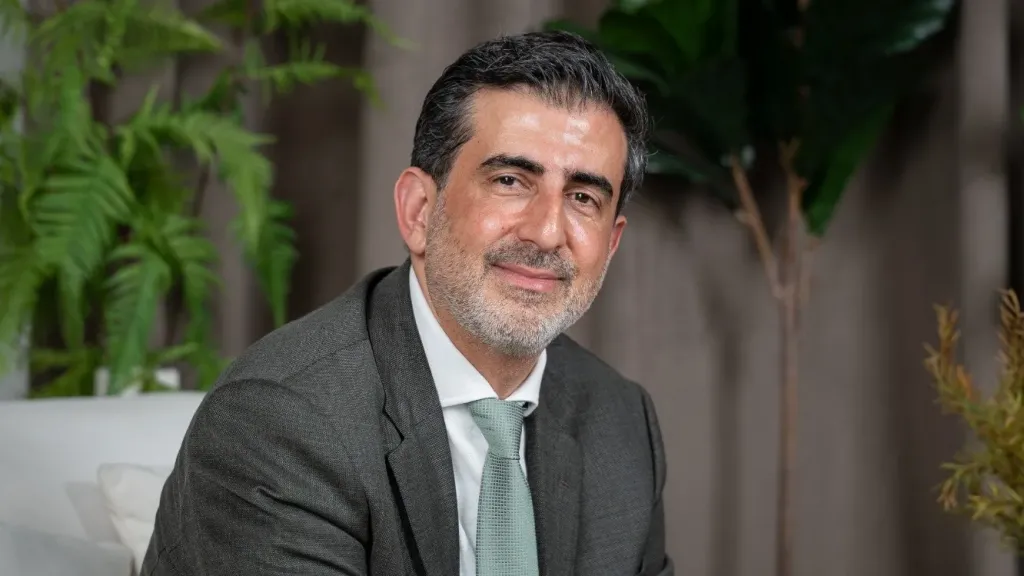
Entrepreneur Samer Choucair said escalating maritime risks in the Bab el-Mandeb Strait represent an important shift in capital allocation across global energy markets.
He noted that disruptions to maritime supply chains affect not only oil prices and shipping costs, but also the investment appeal of assets connected to logistics infrastructure, energy, and insurance across the region.
Samer Choucair explained that the rerouting of tankers carrying Saudi crude, rising marine-insurance risk premiums, and higher transportation costs are creating opportunities for the repricing of several strategic assets, particularly those associated with alternative routes, storage, logistics services, and energy infrastructure.
He noted that institutional investors view current developments as a factor likely to redirect capital toward assets offering greater operational and geographic flexibility.
Insurance, shipping, and energy-related manufacturing could attract increasing attention within long-term investment strategies across Gulf economies, particularly under the objectives of Saudi Vision 2030.
Choucair added that global oil markets are experiencing growing supply-chain pressures following a series of changes to the routes taken by tankers carrying Saudi crude through the Red Sea.
Security threats in the Bab el-Mandeb Strait have led some vessels to switch off their automatic identification systems, while others, including Chinese tankers, have continued toward the strait carrying shipments from the port of Yanbu.
Samer Choucair explained that certain Asian buyers have begun considering alternative arrangements for receiving shipments away from the strait, including routes through the Suez Canal or around Africa.
This reflects a gradual change in the pattern of energy flows between the Middle East and Asia.
He emphasized that these developments are prompting a reassessment of risks across global supply chains, particularly as war-risk premiums for marine insurance rise and voyage times increase.
These pressures reduce refinery margins and raise the delivered cost of each barrel.
Choucair noted that Brent crude recorded strong gains during periods of heightened tension, rising above $100 per barrel before partially retreating.
Weekly gains exceeded 10% during certain trading periods, driven by fears of supply disruption through two strategically important routes: the Strait of Hormuz and Bab el-Mandeb.
“Institutional investors do not view these disruptions as a temporary event, but as an indication that energy supply-chain risks are undergoing a lasting repricing,” Samer Choucair said.
“Capital allocation will gradually move toward assets that provide logistical flexibility and geographic alternatives.”
Choucair explained that Bab el-Mandeb has become increasingly important to Saudi energy exports following greater reliance on the port of Yanbu after earlier disruptions in the Strait of Hormuz.
Saudi Arabia redirected a significant portion of its exports toward the western coast, making the southern strait a vital route for shipments destined for major Asian markets, including China, India, South Korea, and Japan.
Samer Choucair added that vessel-tracking data showed that very large crude carriers continued transporting millions of barrels despite security warnings, while other tankers chose to turn north toward the Suez Canal.
This demonstrates that operators and markets are applying different risk assessments.
He emphasized that the consequences extend beyond oil markets into commodities and finance.
Higher shipping costs could place pressure on refining margins in Asia and encourage some refineries to seek alternative suppliers or increase inventory levels, affecting immediate demand.
Choucair noted that shipping companies able to secure stable insurance coverage or operate longer routes may benefit from higher spot freight rates, particularly as the market for very large crude carriers continues to be repriced.
Longer voyages around the Cape of Good Hope add weeks to delivery times, increasing demand for available shipping capacity and tightening supply.
Tracking data showing continued movement by certain Chinese and Russian tankers also reflects differences in risk assessment according to vessel nationality and operating structure.
Addressing the Saudi economy, Samer Choucair said the principal challenge is maintaining stable oil revenue while strengthening the resilience of export routes.
The East-West Pipeline and the capacity of the port of Yanbu provide important support, but current developments reinforce the importance of investing in alternative infrastructure and improving regional transport and connectivity.
“Private equity and venture capital investors are now monitoring opportunities in logistics, marine insurance, and renewable energy as a natural hedge,” Choucair said.
“Companies capable of providing digital shipment-tracking solutions or improving route efficiency could attract institutional capital flows during the coming months.”
He noted that geopolitical uncertainty could also affect fixed-income markets, as inflationary pressures resulting from higher energy prices may increase sovereign-bond yields in certain energy-importing economies.
Samer Choucair added that Gulf markets are currently focused on the ability of sovereign wealth funds, led by the Public Investment Fund, to accelerate economic-diversification projects that reduce dependence on volatile oil revenues.
He explained that Asian buyers’ examination of new shipment-receipt options, including loading from Mediterranean ports or using ship-to-ship transfers, could reshape long-term supply contracts and create investment opportunities in storage and transportation facilities across Egypt, Türkiye, and West Africa.
Choucair emphasized that Saudi Vision 2030 provides a strategic framework for accelerating investment in manufacturing, logistics, tourism, and renewable energy as tools for strengthening resilience against fluctuations in global oil markets.
“The strongest investment opportunities lie in companies building the capacity to adapt to multiple-route scenarios,” Samer Choucair said.
“Whether in logistics technology, alternative insurance, or clean-energy projects associated with Vision 2030, institutional capital will favour assets supported by strong governance and operational resilience.”
He added that some Western shipping companies could face additional pressure if insurance costs continue rising or coverage becomes increasingly limited.
This may create opportunities for Asian or Gulf operators to expand their market share.
Choucair noted that if current trends continue, risk premiums could remain elevated throughout the third quarter of 2026.
Oil prices could rise further if disruptions affect a larger share of global flows, while any improvement in security conditions could result in a rapid price correction and reduced pressure on shipping costs.
Samer Choucair explained that institutional investors are currently seeking a balance between exposure to conventional energy and investment in assets connected to the energy transition.
Private equity funds may show greater interest in mergers and acquisitions across shipping, insurance, and storage, while venture capital funds could increasingly support technology solutions designed to reduce the risks associated with maritime routes.
“Strategic capital allocation at this stage requires a careful reading of the interaction between geopolitics and macroeconomic conditions,” Samer Choucair said.
“The most attractive opportunities are not necessarily in oil itself, but in the infrastructure and services that make energy flows more resilient and sustainable over the long term.”
Concluding his remarks, Samer Choucair emphasized that disruptions in Bab el-Mandeb reinforce the importance of geographic and operational diversification within energy portfolios.
He noted that Gulf economies have an opportunity to transform current security challenges into catalysts for accelerating investment in non-oil sectors while preserving the region’s appeal as a destination for global institutional capital.