
Samer Choucair: Alternative Energy Corridors Are Redirecting Capital Toward Geopolitical Resilience
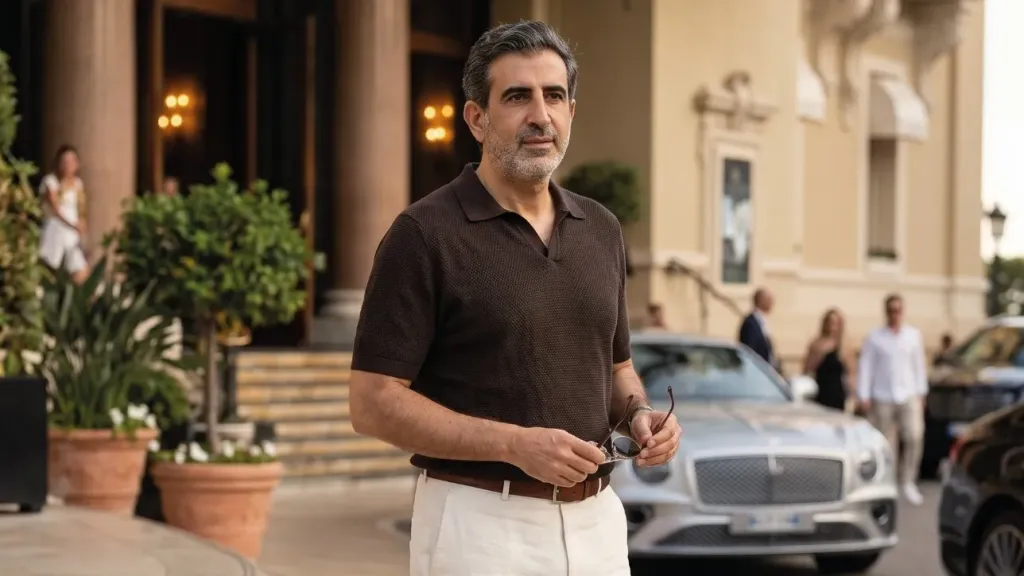
Entrepreneur Samer Choucair said the agreements signed by Iraq with US energy company Chevron and other partners to develop an alternative oil-export corridor through the Mediterranean represent an important shift in the pattern of global energy flows.
He noted that these projects reflect an increasing movement of institutional capital toward infrastructure capable of reducing dependence on geographic chokepoints.
Samer Choucair explained that the proposed pipeline, which is intended to transport up to two million barrels per day to the Mediterranean through Syria, together with agreements related to the development of the West Qurna 2 and Nasiriyah oilfields, represents more than a logistics project.
It reflects a comprehensive reassessment of supply-security risks across global oil markets.
Choucair noted that disruptions in the Strait of Hormuz during 2026 prompted Iraq, the second-largest producer in OPEC, to accelerate its search for alternative export outlets after heavy dependence on the traditional maritime route placed severe pressure on exports and government revenue.
“Capital allocation today is no longer focused solely on achieving the highest short-term return,” Samer Choucair said.
“It increasingly prioritizes resilience against supply shocks. Infrastructure projects that redraw energy-flow maps have become an essential component of long-term investment strategies.”
Samer Choucair added that the new agreements between Iraq, Chevron, and its partners provide a clear indication that energy markets are entering a new phase defined by investment in geographic flexibility.
Institutional investors and sovereign wealth funds are currently reassessing the value of assets capable of providing operational alternatives during periods of geopolitical disruption.
Choucair explained that Iraq has historically depended on the Strait of Hormuz for the majority of its oil exports, with approximately 90% to 95% of shipments passing through the route.
This has meant that any disruption to maritime traffic has had a direct effect on public finances and the country’s ability to maintain production and export volumes.
Samer Choucair noted that reduced tanker traffic during the first and second quarters of 2026 resulted in a substantial decline in Iraqi maritime exports and placed pressure on government revenue, prompting Baghdad to accelerate plans for alternative overland routes.
He emphasized that reviving the Kirkuk–Baniyas pipeline, with a targeted capacity of up to two million barrels per day, represents a strategic step toward reconnecting Iraqi crude with Mediterranean and European markets.
This would reduce dependence on a single export route and change how global buyers assess supply risks.
Choucair added that Chevron’s partnership with companies including Qatar’s UCC and TI Capital combines international technical expertise with the capacity to execute cross-border projects.
This could strengthen the appeal of Iraq’s energy sector to international investors if the agreements progress from feasibility studies to actual implementation.
Samer Choucair explained that any alternative corridor capable of transporting significant oil volumes could help reduce the geopolitical premiums added to energy prices even before the project is completed.
The announcement of diversified export outlets alone sends a signal to markets that producers are strengthening their ability to reduce disruption risks.
He noted that cross-border pipelines are becoming an increasingly attractive asset class for infrastructure funds and private-credit investors because they offer long-term cash flows linked to transportation contracts while providing lower exposure to maritime disruption.
“Institutional capital currently favours assets offering structural flexibility over those delivering high returns while remaining exposed to concentrated geographic risks,” Samer Choucair said.
Choucair explained that global energy companies could benefit from this transformation by diversifying their operating portfolios and reducing risks associated with traditional export routes.
The involvement of major companies such as Chevron could also strengthen investor confidence in the medium-term prospects of Iraq’s energy sector.
He added that improved security of Iraq’s oil revenue, if the new projects succeed, could contribute to a reassessment of the country’s sovereign-debt risks and reduce certain risk premiums, provided that implementation progresses and operating stability is maintained.
Addressing the Gulf economy, Samer Choucair said developments in Iraq confirm the importance of regional infrastructure in strengthening energy security.
Saudi Arabia and other Gulf countries have recognized the importance of developing alternative routes and multiple logistics options to protect energy flows.
Choucair added that Saudi Arabia has already developed alternative export capacity through domestic pipelines and Red Sea ports.
The Iraqi project reinforces a broader view that energy security is no longer an isolated national issue, but a regional system dependent on cooperation and infrastructure investment.
“Projects that strengthen regional supply security are aligned with the priorities of sovereign wealth funds seeking assets capable of protecting returns from severe geopolitical volatility,” Samer Choucair said.
He noted that Saudi Vision 2030 and national investment strategies across the region focus on economic diversification and the development of new industries.
However, stability in energy markets remains an important factor in financing major economic transformations.
Choucair explained that Iraq’s new projects could create opportunities for Gulf investment funds to participate in infrastructure financing or enter technical partnerships, particularly through regional and international alliances combining financial and operating expertise.
He emphasized that institutional investors assess these projects from both an opportunity and a risk perspective.
The principal opportunity lies in creating a new export corridor capable of supporting stable Iraqi revenue and connecting the country’s oil production with additional markets.
Samer Choucair added that the risks include the implementation timetable, security conditions along the proposed route, and the ability to finance a project of this scale amid volatile global oil prices.
“Markets may sometimes overprice short-term optimism, but genuine value becomes visible only when technical and financial studies are completed and plans are converted into binding contracts and operating projects,” Samer Choucair said.
Choucair explained that experienced institutional investors often prefer to participate in projects of this kind through secured-debt instruments or strategic partnerships rather than assuming direct operating risks during the early stages of large-scale developments.
He noted that if the current agreements progress into implementation, Iraq’s energy sector could experience increased foreign direct investment alongside expanding opportunities in engineering, logistics, and infrastructure finance.
Samer Choucair added that effective alternative energy corridors could eventually ease concerns about supply bottlenecks and reshape the relationship between geopolitics and commodity prices.
Concluding his remarks, Samer Choucair emphasized that current transformations in energy markets confirm the end of an era defined by exclusive dependence on maritime straits.
The next phase will increase the value of assets providing operational resilience and geographic diversification.
“Investors who view these transformations as structural opportunities rather than temporary political events will be better positioned to build more resilient portfolios capable of withstanding rising geopolitical risks,” Samer Choucair concluded.