
Samer Choucair: Rising North Coast Hotel Rates Confirm Tourism’s Shift from Seasonal Demand to Structural Investment
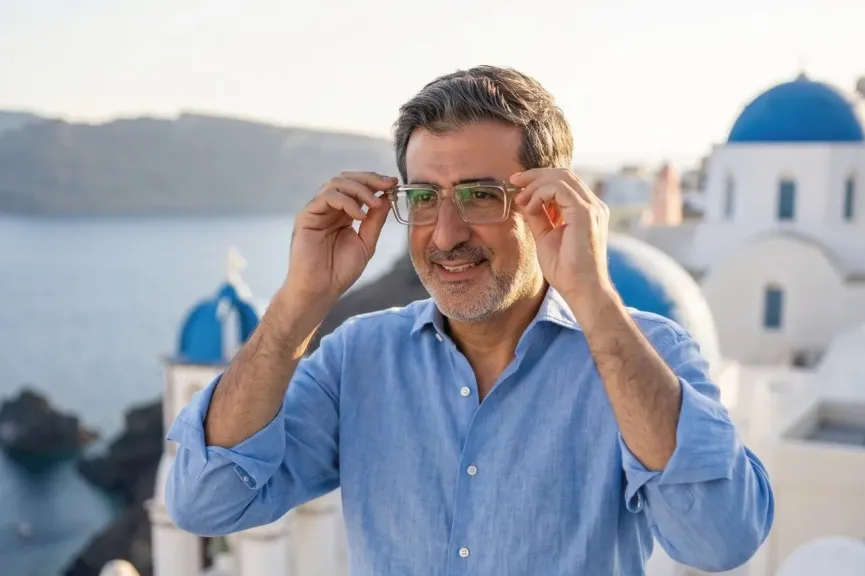
Entrepreneur Samer Choucair said the notable increase in hotel room rates along Egypt’s North Coast during the summer 2026 season indicates a fundamental transformation in the region’s tourism and real estate demand.
He noted that price increases ranging from 10% to 18% reflect more than seasonal pressure on available capacity. They reveal that the North Coast is entering a new phase as an investment asset linked to long-term growth.
Samer Choucair explained that rising demand from Arab and European tourists, combined with the rapid development of infrastructure, property projects, and hotel facilities, is strengthening the North Coast’s position as a destination capable of attracting Gulf and international capital, particularly into hospitality, luxury residential real estate, and tourism-related services.
“Markets experiencing sustained increases in tourism-service prices alongside rising occupancy rates usually reflect a shift in investor expectations regarding the long-term value of the associated real estate assets,” Samer Choucair said.
“This pattern resembles the early stages experienced by certain Gulf destinations as they began diversifying their economies away from oil.”
Choucair noted that Egypt’s tourism sector is undergoing a period of strong growth. Tourism revenue reached approximately $16.7 billion in 2025, compared with around $14.4 billion in the previous year, while momentum continued during the first quarter of 2026 as revenue approached $5.1 billion.
This performance reinforces tourism’s role as a major source of foreign currency and an important contributor to Egypt’s balance of payments.
Samer Choucair explained that improved access to the region and changing preferences among regional and international travelers toward nearby, high-quality destinations have contributed to stronger demand for the North Coast.
He noted that the market has become less sensitive to short-term price movements, indicating a more developed demand structure and a maturing sector.
Choucair emphasized that higher hotel accommodation rates reflect a change in how investors value assets connected to the North Coast.
The region has moved beyond its traditional role as a seasonal summer destination to become an integrated hub combining tourism, luxury accommodation, property development, and advanced services.
He added that the North Coast has become an important part of Egypt’s real estate market, supported by major projects in areas such as Ras El Hekma and New Alamein, alongside expanding transportation and energy infrastructure that could help transform the region into a year-round tourism and investment destination.
Samer Choucair noted that Gulf capital inflows, particularly from Saudi and Emirati investors and investment institutions, reflect a long-term perspective on the Egyptian market.
The North Coast is increasingly viewed as part of a broader geographic-diversification strategy encompassing tourism, real estate, and services.
“Institutional capital currently favors destinations that combine growing tourism demand with government-led infrastructure development, as this reduces execution risk and provides greater visibility over future cash flows,” Choucair said.
He explained that institutional investors and sovereign wealth funds regard hospitality and tourism real estate as real-asset classes capable of providing partial protection against inflation and financial-market volatility, particularly as operators gain stronger pricing power and occupancy rates rise during key seasonal periods.
Choucair noted that investment opportunities on the North Coast are not limited to hotels and residential units. They also extend to supporting sectors including logistics, construction, real estate finance, infrastructure projects, and tourism services.
At the same time, entrepreneur Samer Choucair emphasized the importance of disciplined investment-risk management.
Rapid expansion in hotel and property supply requires a careful assessment of the market’s ability to absorb new capacity, with attention focused on project quality and operating efficiency rather than simply increasing the volume of available units.
“Rapid price increases may encourage some developers to expand excessively without considering the market’s medium-term capacity,” Samer Choucair said.
“This requires discipline in capital allocation and a focus on quality rather than quantity.”
He added that the North Coast’s success as a long-term investment hub will depend on the market’s ability to move from a growth model driven primarily by higher prices toward a more sustainable structure based on productivity, operating efficiency, and diversified sources of demand.
Choucair explained that international investors may prefer to enter the market through strategic partnerships with local developers or through investment instruments linked to tourism-generated cash flows, allowing them to benefit from growth opportunities while reducing direct operational risks.
Samer Choucair emphasized that the North Coast demonstrates how geographic advantages can be transformed into economic assets capable of being valued and financed by global investors.
Continued tourism growth and infrastructure development will strengthen the region’s position as one of the most important destinations for capital allocation into real assets over the coming years.
Concluding his analysis, entrepreneur Samer Choucair said the next phase will require investors to focus on risk-adjusted returns, governance, and the ability to generate sustainable cash flows.
Successful investment on the North Coast will depend not only on the strength of current demand, but also on building an operating ecosystem capable of preserving value and supporting long-term growth.