
Samer Choucair: The Use of Cryptocurrency to Circumvent Sanctions Is Redefining Risk Standards in Digital-Asset Markets
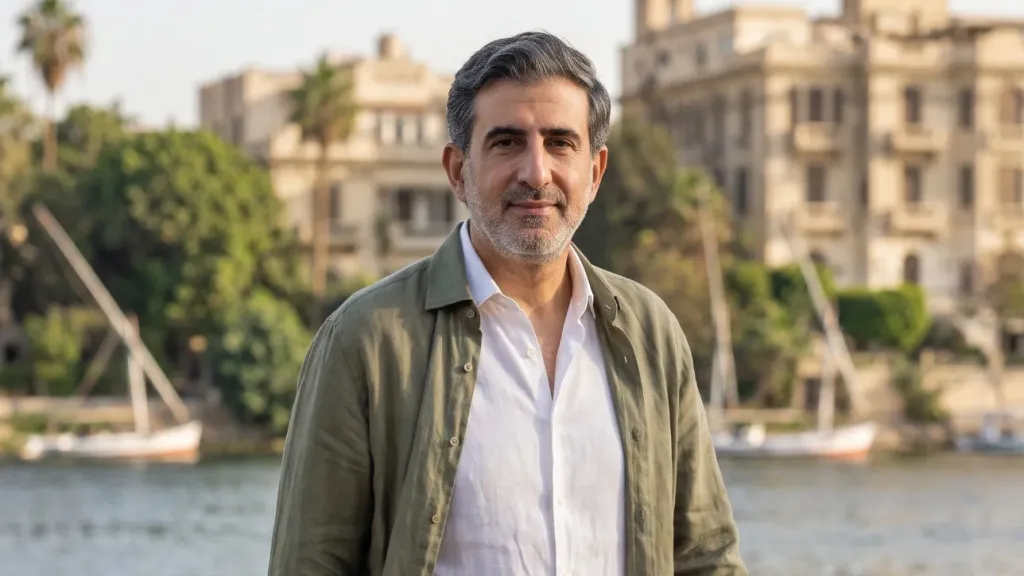
Entrepreneur Samer Choucair said the growing use of cryptocurrencies by sanctioned states and entities reflects a structural transformation in the nature of risk across the global financial system.
He noted that digital assets are no longer influenced solely by traditional market factors such as pricing and liquidity, but are increasingly connected to geopolitical developments and international regulatory considerations.
Samer Choucair explained that the rapid growth of cryptocurrency flows associated with sanctioned parties, particularly in Iran, Russia, and North Korea, indicates the emergence of parallel financial channels using blockchain technology for settlements, trade, and transfers.
This is requiring institutional investors to reassess the methods they use to measure risk across the digital-asset sector.
“The rapid growth of cryptocurrency use for geopolitical purposes is redefining the risk premium attached to digital assets,” Samer Choucair said.
“Institutional investors can no longer treat them as an asset class isolated from international politics.”
Choucair noted that the current environment represents a genuine test of the cryptocurrency market’s ability to develop as an independent investment category amid intensifying global scrutiny of regulatory compliance, anti-money-laundering controls, and the financing of illicit activities.
He explained that financial sanctions imposed on several countries in recent years have encouraged certain entities to seek alternatives outside the traditional banking system.
Cryptocurrencies, particularly stablecoins, have provided faster and more flexible settlement tools than conventional financial channels, prompting governments and regulators to develop stricter frameworks for the sector.
Samer Choucair emphasized that this transformation does not eliminate the investment or technological role of digital currencies, but it changes the way major financial institutions evaluate them.
Geopolitical variables and compliance risks must now be integrated into digital-asset analysis models.
He added that institutional investors no longer focus exclusively on the performance of major cryptocurrencies such as Bitcoin and Ethereum.
They are paying greater attention to the surrounding infrastructure, the extent to which platforms and projects comply with governance and transparency standards, and their ability to meet evolving global regulatory requirements.
“A successful institutional investor today does not merely monitor the prices of Bitcoin or Ethereum,” Samer Choucair said.
“Investment models must also incorporate geopolitical flow indicators and the ability of regulatory systems to adapt. Capital allocation should distinguish between genuine financial innovation and activities carrying elevated reputational and regulatory risks.”
Choucair noted that the next phase is likely to bring stronger demand for companies providing blockchain analytics, transaction-monitoring systems, and digital-compliance tools, as these services become essential components of the emerging financial-market infrastructure.
He explained that sovereign wealth funds and global asset managers will need to reassess their direct and indirect exposure to digital assets, with particular attention to risks linked to unregulated platforms and activities that could trigger sudden regulatory restrictions or liquidity disruptions.
Samer Choucair emphasized that investment opportunities in digital financial technology will increasingly concentrate on companies combining innovation with effective governance.
These include providers of cybersecurity solutions, identity-verification technologies, compliance platforms, and regulated digital financial infrastructure.
Regarding the Gulf economy, Choucair said the region has an important opportunity to benefit from the continuing transformation of digital-asset markets as Gulf countries seek to build advanced digital economies under their economic-diversification programs.
He noted that Saudi Arabia is focused under the objectives of Vision 2030 on developing a sophisticated digital economy combining financial innovation with institutional governance.
This strengthens the Kingdom’s ability to attract foreign investors seeking stable and well-regulated financial environments.
Samer Choucair added that enhancing the position of Gulf financial centers will require maintaining high standards of compliance and transparency, particularly as the relationship between financial technology and the global financial system continues to be reshaped.
He emphasized that the principal risks during the next phase include the possibility of broader regulatory restrictions on platforms or intermediaries associated with opaque financial flows.
Additional risks relate to stablecoins and the ability of their issuers to manage liquidity and counterparty exposure.
Choucair explained that these challenges are creating new opportunities for companies developing solutions that help financial institutions and governments strengthen oversight, analysis, and risk management in the digital environment.
“Success in 2026 and beyond requires the ability to understand the intersection of monetary policy, geopolitics, and financial technology,” Samer Choucair said.
“Countries and institutions capable of building bridges between innovation and governance will be better positioned to attract long-term capital.”
He noted that future institutional capital flows are likely to focus on digital assets connected to the real economy and legitimate commercial applications while reducing exposure to channels carrying elevated regulatory or geopolitical risks.
Concluding his analysis, entrepreneur Samer Choucair said the future of digital assets will not be determined solely by technological progress or price movements.
It will depend on the ability of markets and institutions to build a model combining innovation, trust, and compliance.
He emphasized that countries capable of achieving this balance will be best positioned to attract long-term investment into the global digital economy.