
Samer Choucair: Debate Over Military AI Contracts Is Reshaping Investment Decisions
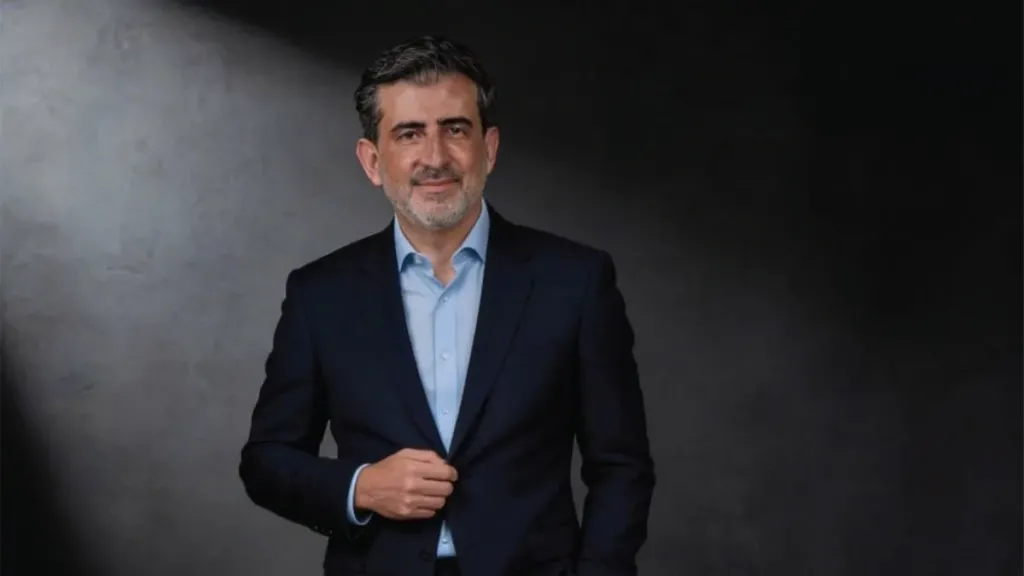
Entrepreneur Samer Choucair said the growing debate surrounding the use of artificial intelligence in military applications represents a turning point in how investors evaluate major technology companies.
He noted that ethical and regulatory risks have become essential components in the valuation of digital and technology assets rather than merely internal issues related to corporate culture.
Samer Choucair explained that the resignation of an artificial intelligence safety researcher from Google DeepMind in June 2026, following the company’s agreement with the US Department of Defense to use AI models in classified government work, reflects a broader transformation across the industry.
Major technology companies are gradually expanding beyond civilian applications and becoming increasingly involved in defense and national security.
Choucair noted that this development is not an isolated case. It forms part of a wider trend involving several artificial intelligence companies seeking to diversify their revenue sources and benefit from rapid growth in government demand for computing capacity and advanced analytical capabilities.
“Markets are beginning to price ethical risk as a structural discount on the valuation multiples of technology companies that fail to establish strong internal governance,” Samer Choucair said.
“Institutional capital no longer views artificial intelligence as a pure growth sector. It is now a sector requiring precise assessment of dual-use risks.”
He explained that the growing use of artificial intelligence in military applications creates substantial economic opportunities, while also introducing challenges related to reputation, regulatory compliance, and companies’ ability to retain specialists in artificial intelligence safety.
Choucair added that institutional investors are monitoring more closely how technology companies address responsible use and how internal disagreements and regulatory pressure affect market valuations and the ability to attract skilled professionals.
Samer Choucair noted that the defense artificial intelligence market is expanding rapidly, supported by higher global government expenditure and rising demand for data-analysis systems, situational-awareness technologies, and AI-assisted decision-making tools.
He emphasized that this growth is creating new investment opportunities across defense technology and digital infrastructure.
Choucair explained that Alphabet, the parent company of Google and DeepMind, faces a complex investment equation.
Expansion into government contracts could increase revenue from cloud computing and advanced services, but it also raises governance risks and could affect the confidence of employees and users.
He emphasized that previous experience across the technology industry has demonstrated that ethical concerns surrounding artificial intelligence can become material investment factors, particularly when they affect talent retention or relationships with partners and customers.
Samer Choucair noted that investors are increasingly distinguishing between different business models within the artificial intelligence sector.
Companies providing advanced solutions under clear frameworks for governance and responsible use are becoming more attractive, while investors are showing greater caution toward models carrying elevated regulatory or reputational risks.
“Capital allocation is gradually shifting toward companies capable of delivering artificial intelligence solutions with verifiable controls over their use,” Samer Choucair said.
“Sovereign and family investors across the region are seeking exposure that balances returns and growth with effective management of geopolitical and regulatory risks.”
Choucair explained that the next phase could bring increased investment in cybersecurity companies, usage-monitoring technologies, compliance solutions, and businesses specializing in defense artificial intelligence applications supported by clearly defined operating frameworks.
Regarding the Gulf economy, Samer Choucair emphasized that global developments in artificial intelligence are particularly significant for the region as Saudi Arabia seeks to build an advanced digital ecosystem under Vision 2030.
He noted that Saudi investment in computing infrastructure, data centers, and the development of national artificial intelligence capabilities reflects a strategic effort to establish a digital economy capable of competing globally.
Choucair explained that the region has an opportunity to benefit from the continuing transformation of the artificial intelligence industry by establishing clear governance frameworks combining innovation with responsible use.
This would strengthen its ability to attract international investment and technology partnerships.
“Investment in Saudi Arabia’s digital economy is no longer limited to infrastructure,” Samer Choucair said.
“It now extends to building governance models capable of managing dual-use technologies without falling into the internal conflicts affecting some Western companies. This represents a strategic opportunity for sovereign wealth funds to allocate capital to projects combining commercial returns with national security.”
Choucair emphasized that future risks will include the possible expansion of regulations governing military artificial intelligence, higher compliance costs, and the effect of ethical debate on companies’ ability to recruit researchers and specialized experts.
He noted that opportunities will grow for companies providing solutions that help institutions manage artificial intelligence risks and develop systems offering greater transparency, oversight, and auditability, as well as for businesses maintaining stable government partnerships.
Samer Choucair explained that institutional capital is currently reassessing its positions across the artificial intelligence sector, with greater attention being directed toward companies possessing sustainable business models, strong governance, and the ability to balance growth with responsibility.
Concluding his analysis, entrepreneur Samer Choucair said artificial intelligence will become an essential component of economic power and global competition over the coming years.
Investors capable of understanding the intersection of technology, governance, and geopolitics will be best positioned to benefit from the sector’s next growth cycle.
“The long-term direction indicates that artificial intelligence will become a fundamental component of both economic and military power,” Choucair said.
“Investors building positions today based on a deep understanding of governance risks and geographic-diversification opportunities will be best placed to benefit from the next phase of the sector’s growth.”