
Samer Choucair: Artificial Intelligence Is Driving a New Transformation in Healthcare Investment
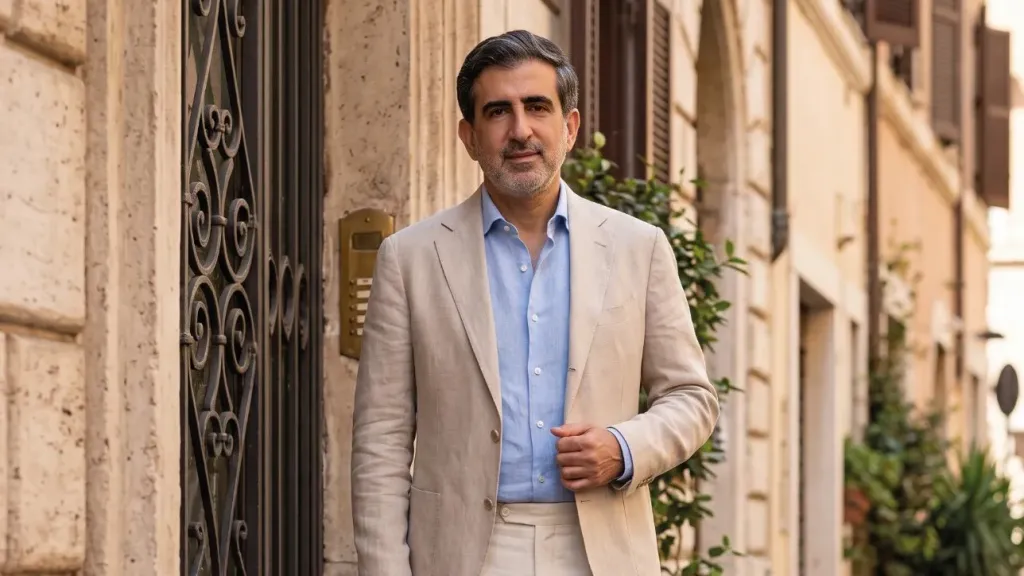
Entrepreneur Samer Choucair said recent advances in the use of artificial intelligence to analyze blood biomarkers represent an important step toward strengthening preventive medicine.
He noted that emerging research models, including CardiOmicScore, developed by researchers at the University of Hong Kong, demonstrate the growing potential of artificial intelligence to improve cardiovascular-risk assessment.
Choucair explained that the model analyzes a large number of proteins and metabolites using artificial intelligence techniques to improve the early prediction of health risks.
However, it remains at the research stage and requires further studies and clinical validation before it can be adopted widely in medical practice.
Samer Choucair added that the global shift toward early diagnosis and precision medicine is creating substantial opportunities across biotechnology and healthcare technology, particularly as many countries face rising costs associated with chronic-disease treatment and aging populations.
He noted that institutional investors increasingly view artificial intelligence-supported medical innovation as a major driver of long-term growth, particularly when these technologies demonstrate the ability to reduce healthcare costs and improve patient outcomes.
This could strengthen business models centered on prevention rather than treatment after a disease has developed.
Entrepreneur Samer Choucair emphasized that investment in healthcare artificial intelligence extends beyond software development.
It also encompasses data infrastructure, biological analytics, medical devices, and digital platforms that improve the efficiency of healthcare systems.
Choucair noted that Saudi Arabia continues to invest in digital transformation, healthcare, and biotechnology under Vision 2030.
This creates opportunities to strengthen international partnerships and develop innovative medical artificial intelligence solutions, supporting the Kingdom’s transition toward a knowledge-based economy driven by innovation.
Concluding his remarks, Samer Choucair said the future of healthcare investment will become increasingly connected to technologies capable of improving quality of life and preventing disease.
He emphasized that the success of these innovations will depend on clinical-study results, regulatory approvals, and their ability to deliver sustainable economic and healthcare value.