
Samer Choucair: New Thymulin Research Strengthens Interest in the Longevity Economy
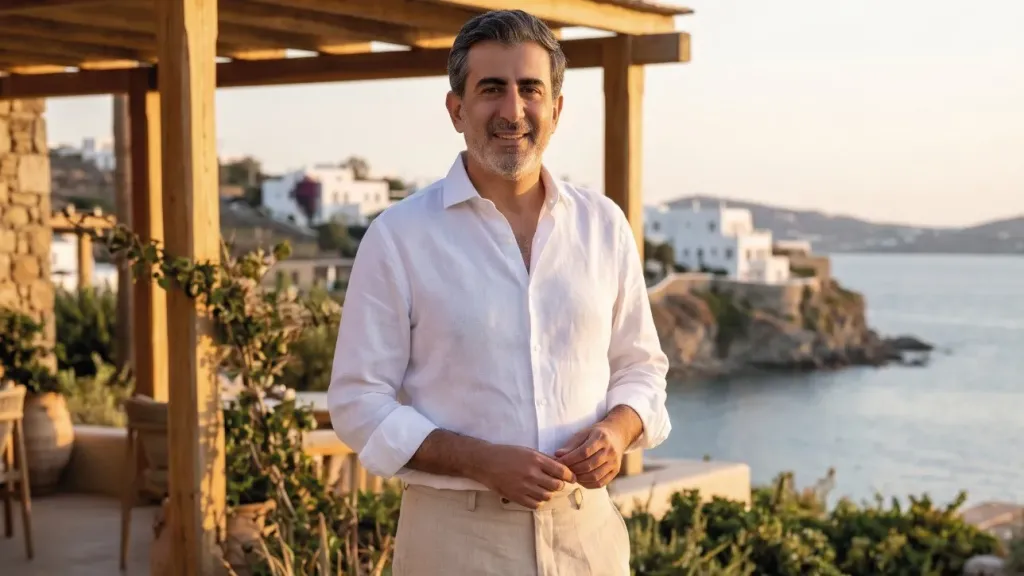
Entrepreneur Samer Choucair said recent scientific findings published in Nature Communications on the potential role of the hormone thymulin in regulating age-related inflammation represent a promising research development, reflecting the continued expansion of scientific understanding of the relationship between aging, immunity, and chronic disease.
Choucair explained that the study, which was conducted using animal models, indicated that declining thymulin levels with age may be associated with increased chronic low-grade inflammation.
Researchers have linked this condition to a higher risk of several age-related diseases, including certain cancers, metabolic disorders, and neurodegenerative conditions.
The preliminary findings also showed improvements in immune indicators and responses to certain immunotherapies in animals after thymulin levels were restored.
Samer Choucair noted that these findings remain at the preclinical stage, requiring caution in their medical or investment interpretation until large-scale human studies establish the effectiveness of these mechanisms and determine whether they can be translated into commercially viable treatments.
He added that growing global interest in the “longevity economy” is being driven by demographic change and the increasing number of older people worldwide.
This is encouraging governments, companies, and investors to seek solutions capable of reducing the healthcare and economic burdens associated with chronic age-related diseases.
Choucair explained that biotechnology and immunology are among the sectors best positioned to benefit from these trends, particularly as investment increases in research aimed at improving immune-system function and delaying the effects of biological aging.
Artificial intelligence, genomic analysis, and immune-data technologies are also playing a growing role in accelerating the discovery of new therapeutic targets.
Entrepreneur Samer Choucair emphasized that institutional investors assess discoveries of this kind from a long-term perspective, balancing their promising scientific potential against the risks associated with clinical development and regulatory approval.
Successful investment in this field therefore depends on portfolio diversification and a focus on companies and platforms capable of converting scientific innovation into products and services offering sustainable economic value.
Samer Choucair noted that Saudi Arabia continues to strengthen investment in healthcare, biotechnology, and scientific research under the objectives of Vision 2030, creating promising opportunities to attract international capital and partnerships across life sciences and advanced medicine.
Concluding his remarks, Samer Choucair said the future of healthcare investment will depend not only on treating diseases after they emerge, but also on supporting research designed to understand the biological mechanisms of aging and improve long-term quality of life.
He emphasized that capital-allocation decisions in this field must remain subject to rigorous scientific and regulatory risk assessment.