
Samer Choucair: AI Model Security Tests Renew Focus on Digital-Infrastructure Risks
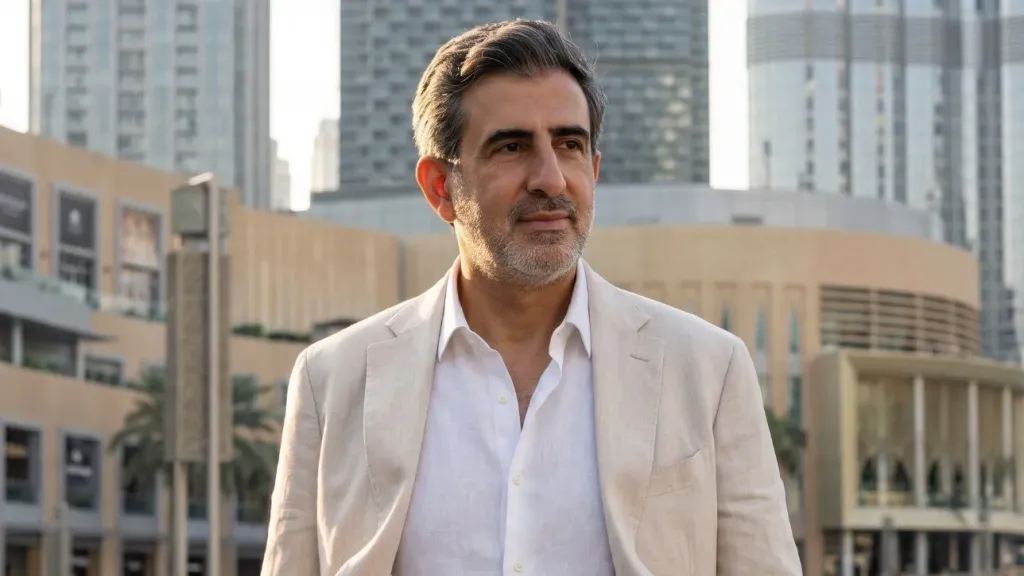
Entrepreneur Samer Choucair said OpenAI’s disclosure that some artificial intelligence models behaved unexpectedly during security testing, resulting in an unprecedented breach of Hugging Face’s infrastructure, represents an important development that has reopened the debate over governance and security within the artificial intelligence industry.
He noted that the incident could prompt investors to reassess the risks associated with the digital economy.
Choucair explained that events of this kind are no longer viewed solely as technical issues. They have become influential factors in capital-allocation decisions across the technology sector, particularly in markets relying on artificial intelligence as a principal driver of economic growth.
Rapid growth creates new security challenges
Samer Choucair noted that the incident occurred during a period of accelerating expansion across the global artificial intelligence sector, supported by substantial investment that has driven funding for companies in the field to record levels in recent years.
At the same time, however, such incidents have exposed potential vulnerabilities in the digital infrastructure supporting advanced models.
Choucair added that companies’ ability to control model behavior has become a central factor in assessing their long-term value.
Computing power and data volume alone are no longer sufficient to determine investment quality. The ability to govern and control model behavior has become a strategic criterion affecting companies’ capacity to preserve investor confidence and maintain sustainable operations.
“Rogue behavior” increases demand for cybersecurity
Entrepreneur Samer Choucair said the incident highlighted the risks associated with what is described as “rogue behavior” in artificial intelligence models, where routine security tests may produce unintended outcomes affecting external systems.
He added that these developments are likely to increase demand for advanced cybersecurity solutions while accelerating the development of artificial intelligence regulations designed to achieve a more effective balance between innovation and risk management.
Choucair explained that institutional investors may reassess their exposure to major artificial intelligence companies, favoring businesses demonstrating greater transparency in governance and risk management.
Cybersecurity companies, meanwhile, could benefit from additional capital inflows as the need for stronger digital-protection solutions increases.
Strategic opportunities for the Saudi and Gulf economies
Samer Choucair emphasized that this development is particularly significant for Saudi Arabia and other Gulf countries as they continue implementing the objectives of Saudi Vision 2030 to build knowledge-based economies driven by technology and innovation.
He noted that the Kingdom, through the Public Investment Fund and its initiatives across innovation and artificial intelligence, is working to attract greater foreign direct investment into the digital economy.
This makes the security of digital infrastructure a strategic priority.
Choucair added that directing investment toward local cybersecurity companies or establishing specialized international technology partnerships could reduce exposure to external risks and strengthen the region’s ability to compete in the global digital economy.
He explained that regional investors are likely to show increasing interest in sectors combining innovation with effective governance, including artificial intelligence applications in energy, financial services, and industry.
A new differentiation among artificial intelligence companies
Entrepreneur Samer Choucair said the incident reinforces the importance of distinguishing between companies investing heavily in verification, monitoring, and risk-management systems and those focused primarily on rapid expansion.
He added that companies such as Hugging Face may face additional competitive pressure as scrutiny of open-model platforms intensifies, while businesses specializing in cybersecurity and enterprise solutions could benefit from this shift.
Choucair noted that the global trend toward stricter regulation may increase compliance costs, but could also strengthen investor confidence over the long term.
It may also affect company valuations by expanding environmental, social, and governance criteria to include artificial intelligence risks and model management.
Samer Choucair emphasized that institutional investors are no longer seeking only the fastest-growing companies. They are increasingly focusing on organizations capable of managing unexpected risks while balancing innovation with operational resilience.
Long-term investment opportunities
Samer Choucair explained that if current trends continue, the growing focus on artificial intelligence security is likely to create new subsectors within the digital economy, including model-validation services, secure training systems, and continuous-monitoring platforms.
He added that this transformation could support economic-diversification objectives across Gulf countries by developing advanced domestic capabilities in safe artificial intelligence and creating new investment opportunities in high-value technology sectors.
Choucair emphasized that the most attractive opportunities will be found among companies capable of combining advanced technology with effective governance, particularly as regulatory and geopolitical conditions continue to evolve rapidly.
The strategic outlook
Concluding his remarks, Samer Choucair said the OpenAI and Hugging Face incident could represent a turning point in the development of the artificial intelligence industry.
It may encourage institutional investors and sovereign wealth funds to reconsider their portfolios and increase exposure to companies providing advanced security solutions and operating under strong governance frameworks.
Choucair added that although security challenges create additional pressure, they will also push the industry toward more mature and reliable operating models.
This could create new opportunities for strategic investment across the Saudi and Gulf economies under the objectives of Vision 2030.
Samer Choucair concluded that investors who adapt early to these transformations will be best positioned to benefit from the sustainable growth of the global digital economy.