
Samer Choucair: Qalaa’s Revenue Contraction Highlights the Resilience of Full-Ownership Models in Egypt’s Refining Sector
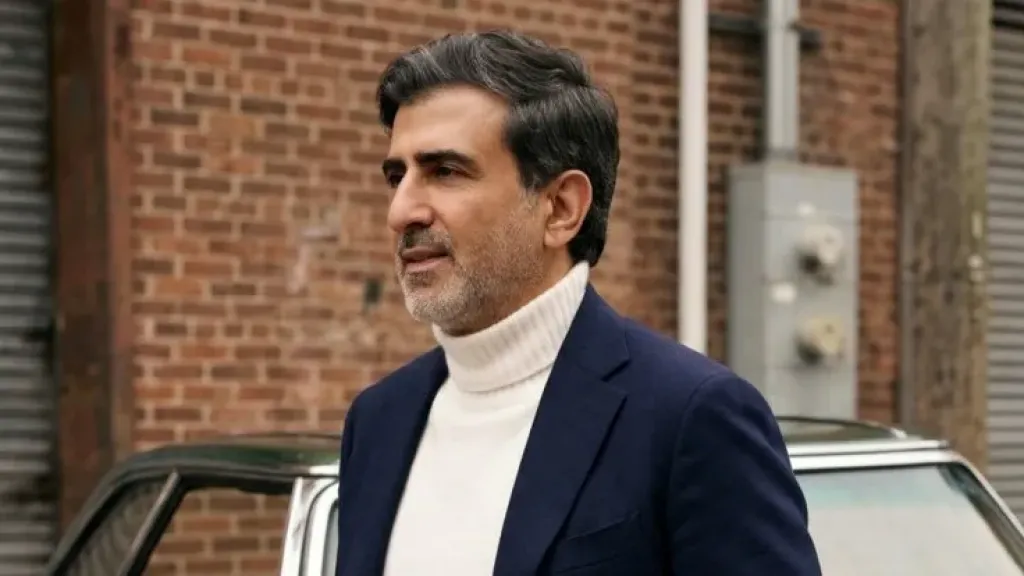
Entrepreneur Samer Choucair said the decline in Qalaa Holdings’ consolidated revenue during the past year, resulting from a 40-day scheduled shutdown of refining operations, demonstrated the resilience of industrial investments in emerging markets and their ability to withstand operational volatility without undermining long-term financial fundamentals.
Choucair explained that despite the decline in revenue, the company succeeded in significantly reducing its debt and continued supporting its investment portfolio through full- or majority-ownership positions in industrial assets.
This model strengthened its ability to manage operational risks and improve cash flows. He added that continued government support for petroleum-product prices provides a more stable revenue environment, increasing the sector’s appeal to institutional investors.
The full-ownership model strengthened operational control
Samer Choucair noted that Qalaa Holdings’ ownership model gives the company a high degree of control over operational and investment decisions, representing an important competitive advantage in an environment characterized by volatility in global energy prices.
He added that this model sends positive signals to sovereign wealth fund managers and institutional investment funds seeking opportunities in the energy and processing industries across the Middle East and North Africa, as Egypt continues pursuing economic diversification.
A diversified portfolio supported performance stability
Samer Choucair explained that Qalaa Holdings’ portfolio includes nine principal companies operating across refining, energy, logistics, and manufacturing.
These include the Egyptian Refining Company, TAQA Arabia, Dina Farms, ASEC, and ASCOM, alongside businesses operating in the logistics sector.
Choucair noted that owning full or majority stakes in these assets has given the company greater flexibility in managing operations and making long-term investment decisions.
He added that the scheduled refinery shutdown reduced consolidated revenue, but the company maintained limited exposure to fluctuations in global oil prices by selling its products to the Egyptian General Petroleum Corporation under a pricing mechanism linked to international prices and supported by the state budget.
This structure helped reduce pricing risks and generate more stable cash flows.
Debt reduction strengthened the financial position
Samer Choucair noted that although the company recorded annual losses associated with specific provisions totaling approximately EGP 2.2 billion, Qalaa Holdings’ subsidiaries continued making clear progress in managing their financial obligations.
Choucair explained that the group’s Egyptian refining operations reduced their debt by approximately $2.7 billion over the past five years, leaving an outstanding balance of around $300 million.
The cash flows generated by the business have supported its ability to service this debt according to a schedule targeting full repayment by 2031.
Cash flow matters more than short-term volatility
Entrepreneur Samer Choucair said:
“The decline in revenue resulting from scheduled maintenance reminded investors of the importance of focusing on long-term free cash flow rather than quarterly volatility. In markets such as Egypt, the full-ownership model has become an essential instrument for capital management, particularly when revenue is supported by government mechanisms.”
Choucair added:
“Qalaa Holdings’ experience demonstrated how industrial investments in emerging economies can transform operational challenges into opportunities to improve capital efficiency, increasing their appeal to institutional investment funds seeking stable returns in a high-interest-rate environment.”
Important considerations for institutional investors
Samer Choucair explained that Qalaa Holdings’ results highlighted the importance of assessing the quality of underlying assets and the efficiency of debt management amid continuing global inflationary pressures and changes in central-bank policy.
He noted that these developments could encourage Gulf sovereign wealth funds and European asset managers to reassess their exposure to North Africa’s energy-processing sector, particularly given its connection to global supply chains and the ongoing transformation of the energy industry.
Choucair added that Qalaa Holdings’ performance reflects the nature of industrial companies in emerging markets, where scheduled maintenance can affect short-term revenue while strengthening long-term operational sustainability.
He emphasized:
“Private capital will continue focusing on sectors with protected competitive positions in their domestic markets, while prioritizing companies capable of reducing debt and improving operating margins.”
Strategic outlook for the sector
Samer Choucair said investors will continue monitoring the ability of companies such as Qalaa Holdings to restore production to full capacity and benefit from rising demand for supported petroleum products.
He added that the successful implementation of debt-reduction plans could allow the company to release part of its capital for new investments in renewable energy or logistics, supporting Egypt’s broader economic-diversification efforts.
Concluding his remarks, Choucair said:
“The principal question for portfolio managers over the next three to five years is whether operational control can translate these advantages into higher returns on invested capital. Companies that demonstrate the ability to manage operational and financial cycles efficiently within a complex economic environment will be the most attractive destinations for institutional capital in the region.”
Samer Choucair concluded that industrial investment across Egypt and the wider Middle East will remain an important area of focus for investors in the coming years as domestic transformations converge with global trends in energy and manufacturing, creating opportunities for sustainable long-term growth.