
Samer Choucair: The 2026 World Cup Confirms Sport’s Transformation into a Global Investment Asset Class
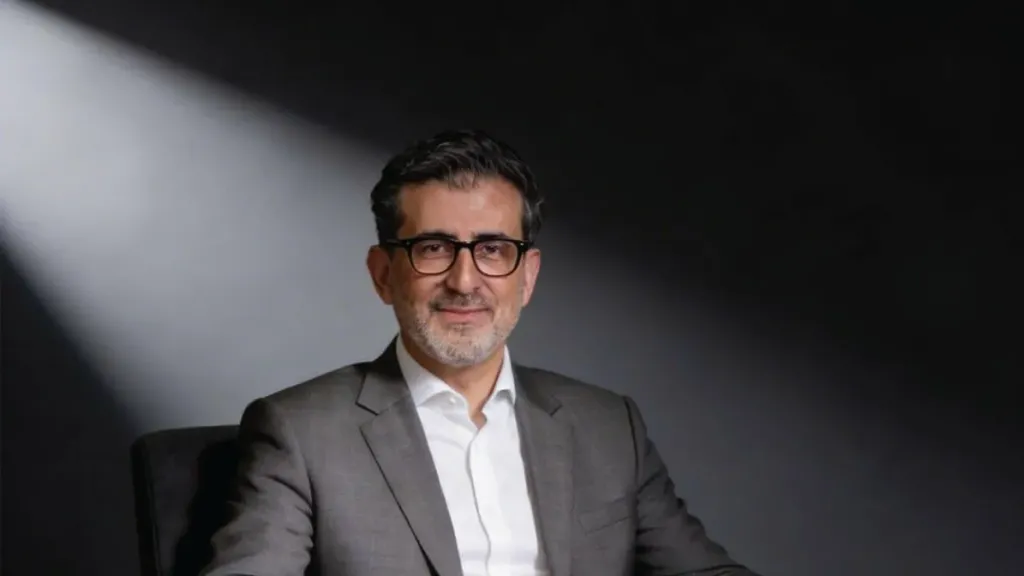
Entrepreneur Samer Choucair said the record commercial and economic results achieved by the 2026 FIFA World Cup represent a turning point in how institutional investors view the sports sector.
He noted that the tournament once again demonstrated football’s growing strength as high-value media content capable of attracting long-term capital flows extending far beyond traditional sporting competition.
Samer Choucair explained that the 2026 World Cup, hosted by the United States, Canada, and Mexico with the participation of 48 national teams, generated unprecedented commercial revenue of approximately $15 billion for FIFA, exceeding its previous target of $11 billion.
He said this performance reflects the substantial evolution of monetization models involving media rights, commercial sponsorships, and fan experiences.
Choucair noted that the tournament’s record figures, including an estimated US audience of approximately 63 million viewers for the final between Spain and Argentina at MetLife Stadium in New Jersey, confirm that football has become one of the most commercially powerful forms of media content.
This is particularly evident in markets where the audience base and investor interest are continuing to expand.
“The ability to exceed revenue targets through dynamic pricing and broader commercial opportunities confirms that football has become one of the most monetizable categories of media content,” Samer Choucair said.
“Institutional investors should take this into account when assessing media-rights portfolios and the potential returns generated by sponsorship models.”
Samer Choucair added that the tournament’s success extended beyond direct revenue to its wider economic impact.
Estimates indicate that the event contributed approximately $17 billion to US gross domestic product and supported more than 185,000 jobs, while its global impact exceeded $41 billion and more than 824,000 employment opportunities.
He noted that the economic impact was concentrated primarily across hospitality, transportation, and retail in the host cities.
These markets benefited from tourism inflows and increased consumer expenditure, although investors should assess estimates of the tournament’s long-term economic contribution cautiously because major sporting events often involve substitution effects.
“Institutional investors must clearly distinguish between seasonal increases in local spending and the net impact after accounting for substitution and congestion effects within host economies,” Choucair said.
“The true value lies in the sustainability of demand for sports content rather than temporary expenditure.”
Entrepreneur Samer Choucair explained that the tournament’s commercial performance strengthens the appeal of sport as an alternative asset class for sovereign wealth funds, pension funds, and private equity firms, particularly given the resilience of sports media rights and their ability to maintain demand during periods of economic volatility.
He noted that the increasing value of commercial sponsorships associated with major tournaments reflects a transformation in the relationship between sport and global brands.
Sports sponsorship has become a strategic instrument for building loyalty and strengthening market presence rather than merely serving as a short-term advertising channel.
Samer Choucair emphasized that the success of the 2026 World Cup model provides important lessons for investors across the region, particularly regarding the efficient use of existing infrastructure and the reduction of dependence on excessive capital expenditure.
The North American tournament relied heavily on existing stadiums and facilities, offering a useful reference for sports and tourism projects connected to economic-diversification programs.
“Sovereign wealth funds and family offices across the region can use the North American implementation model, which reduced the risks associated with excessive capital expenditure, as a reference when structuring investment commitments in sports and tourism under economic-diversification strategies,” Choucair said.
He added that the participation of major international sponsors, including Adidas, Coca-Cola, Visa, Hyundai-Kia, Aramco, and AB InBev, demonstrates the broad range of commercial opportunities created by global sporting tournaments.
It also confirms the role of sport as a platform combining media, marketing, and long-term investment.
Samer Choucair noted that investors will focus during the next phase on how the tournament’s financial surpluses are managed, the development of media-rights markets for future competitions, and opportunities connected to digital technologies, fan experiences, and interactive platforms.
He explained that investment strategies over the coming years should prioritize long-term exposure to sectors benefiting from the sustainable growth of sports content.
These include sports broadcasting, fan-engagement technologies, and hospitality networks associated with major events, while avoiding excessive reliance on seasonal effects generated by a single tournament.
Concluding his remarks, entrepreneur Samer Choucair emphasized that the 2026 World Cup provides a clear example of the structural transformation taking place across the sports economy.
Major tournaments have become integrated investment platforms combining media, tourism, sponsorship, and technology, requiring institutional investors to reassess their capital-allocation strategies toward this expanding sector.