
Samer Choucair: Artificial Intelligence Investment Is Redefining Global Capital Priorities
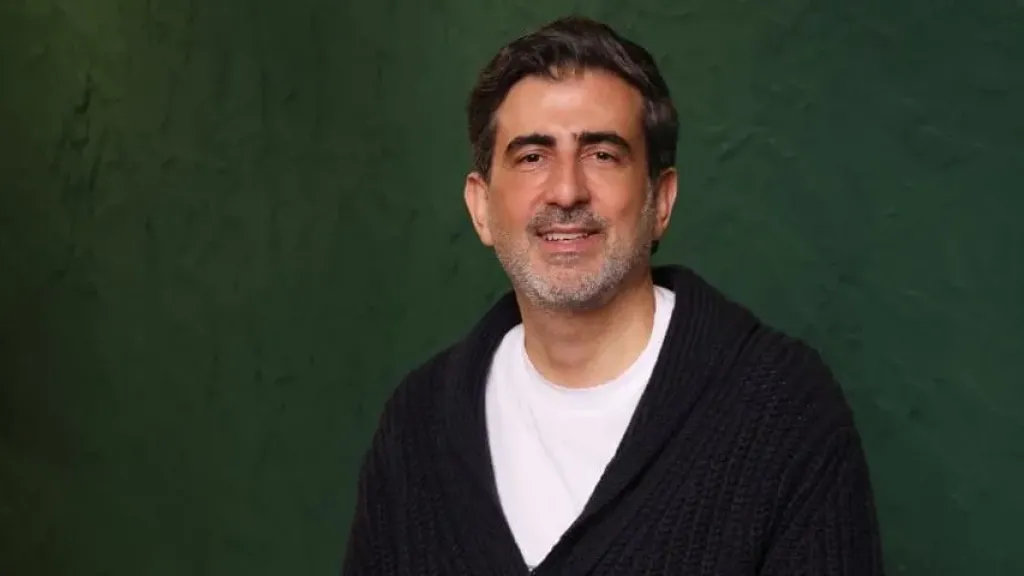
Entrepreneur Samer Choucair said Taiwan Semiconductor Manufacturing Company’s expansion in Arizona, which brings its total investment commitments in the United States to $265 billion, represents a strategic shift in the allocation of global capital toward the essential infrastructure supporting artificial intelligence and advanced computing.
Samer Choucair explained that TSMC’s investment represents more than an increase in production capacity.
It signals a restructuring of global semiconductor value chains, as the ability to manufacture advanced chips close to major centers of demand becomes an increasingly decisive factor in determining the competitiveness of both companies and countries.
He added that rising demand for chips used in artificial intelligence and high-performance computing is encouraging institutional investors to reassess their investment strategies.
The next phase will not be limited to companies developing end-user AI applications. It will encompass the entire supporting infrastructure ecosystem, from semiconductor manufacturing equipment and advanced packaging to electricity generation and data centers.
Samer Choucair noted that TSMC’s announcement comes as the global economy undergoes a fundamental transformation in its understanding of technological security.
Low-cost supply chains are no longer the only determining consideration. Geographic resilience and the ability to secure sustainable access to advanced technologies have become central elements of capital-allocation decisions.
He explained that the Arizona investment reflects the growing influence of government industrial policies on major investment decisions.
The United States continues to support the localization of semiconductor manufacturing through regulatory and financial incentives, making the redistribution of global production capacity one of the most important investment trends of the coming decade.
Samer Choucair said TSMC’s expansion will strengthen its position as a principal supplier of advanced chips to major American companies operating in artificial intelligence and cloud computing.
The investment will also create opportunities for a wide range of companies across the value chain, including semiconductor equipment suppliers, engineering firms, logistics providers, and supporting infrastructure operators.
Choucair emphasized that institutional investors, including sovereign wealth funds, pension funds, asset managers, and hedge funds, need to assess the semiconductor industry as an interconnected ecosystem rather than focusing exclusively on individual companies.
He noted that future value will increasingly be created by businesses capable of maintaining sustainable competitive advantages across the complete artificial intelligence value chain.
Samer Choucair said:
“TSMC’s investment in Arizona demonstrates that the next phase of the digital economy will be built on the physical assets that enable artificial intelligence, not only on software models and services. Computing capacity has become a strategic asset, and securing it requires long-term investment and a clear approach to capital allocation.”
He added:
“Investors focusing on the artificial intelligence cycle must examine the infrastructure supporting this transformation. Semiconductors, energy, and data centers have become essential factors in determining the winners of the coming years.”
Choucair noted that TSMC’s expansion in the United States creates significant opportunities for companies supporting the semiconductor industry.
However, investors must also evaluate operational risks carefully, including higher production costs outside Taiwan, possible delays in executing major projects, and the challenges associated with achieving targeted production yields at new facilities.
He explained that higher operating costs at new locations could initially place pressure on profit margins.
Nevertheless, these expenses may be strategically justified if they reduce supply-chain risks and strengthen the company’s ability to meet growing demand for advanced semiconductors.
Samer Choucair added that American chip-design companies, advanced manufacturing-equipment suppliers, and service providers connected to Arizona’s infrastructure projects could emerge as major beneficiaries of this investment cycle as global expenditure on artificial intelligence continues to increase.
Regarding Saudi Arabia and the wider Gulf economy, Samer Choucair emphasized that the global transformation of the semiconductor industry carries considerable strategic importance for the region.
Saudi Arabia is seeking to build an advanced digital economy under Vision 2030 while strengthening its capabilities in artificial intelligence, data centers, and advanced computing.
Choucair said:
“Global developments in the semiconductor industry emphasize the importance of investing in domestic digital infrastructure and developing international partnerships that ensure access to advanced technologies. This must be accompanied by investment in human capital and research capabilities that enable the region to benefit from the economic opportunities created by artificial intelligence.”
He added:
“For Gulf investors, the transformation of the semiconductor industry provides an opportunity to reconsider capital allocation toward the sectors forming the foundations of the new digital economy. Success will not come solely from owning stakes in major technology companies, but from understanding the infrastructure that makes their growth possible.”
Samer Choucair expects investors to monitor the speed at which TSMC’s new facilities become operational, their production yields, the development of the company’s capital expenditure, and demand trends among artificial intelligence and high-performance computing companies.
He noted that the next three to ten years will bring further restructuring of the global semiconductor industry, with increased investment in domestic manufacturing and more diversified supply chains.
The ability to manage geopolitical and execution risks will consequently become a central factor in the success of long-term investments.
Concluding his remarks, entrepreneur Samer Choucair said:
“The next phase of the artificial intelligence economy will reward investors who examine the complete value chain and balance expected growth against the risks associated with execution, geography, and technology. Digital infrastructure has become one of the most strategically important asset classes in the emerging global economy.”