
Samer Choucair: Gordie Howe Bridge Dispute Highlights the Risks of Investing in Cross-Border Infrastructure
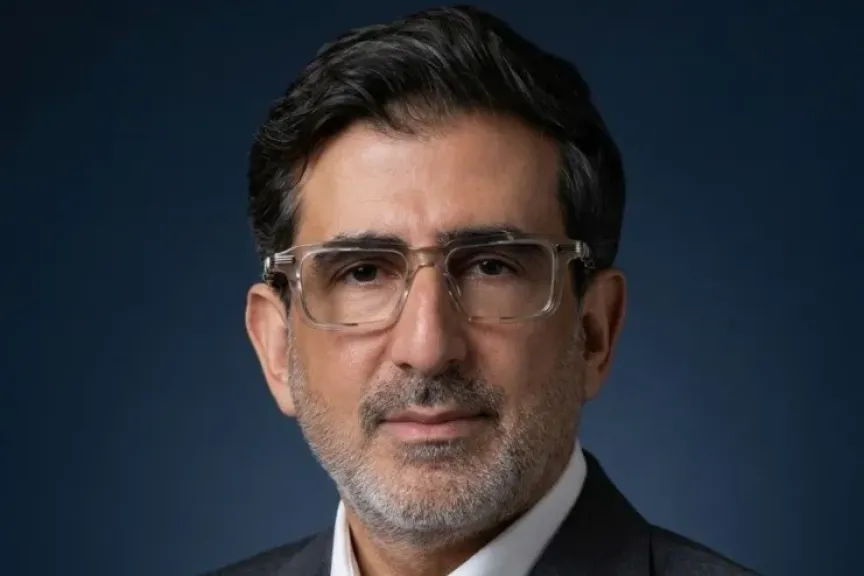
Investment entrepreneur Samer Choucair stated that Canada's insistence on not sharing toll revenue from the Gordie Howe International Bridge with the United States until it fully recovers the initial investment cost of roughly 4.7 billion dollars reflects the growing complexity of managing cross border infrastructure projects.
Choucair explained that this position comes amid ongoing debate over potential side agreements, and just ahead of the bridge's scheduled opening on July 27, 2026, highlighting the importance of managing international partnership risk in strategic projects.
He added that these developments will have a direct impact on capital flows directed toward transport, logistics and manufacturing sectors in North America, and could reshape long term financing models for infrastructure projects, affirming that investors are increasingly focused on the clarity of investment recovery mechanisms and the sustainability of cash flows.
The dispute reflects shifting investment priorities
Samer Choucair explained that the disagreement over sharing bridge revenue was not simply a financial disagreement, but reflected the difficulty of balancing national interests in shared infrastructure projects, particularly amid a geopolitical environment undergoing restructuring of global supply chains.
Choucair added that the revenue sharing dispute reflects the difficulty of balancing national interests in major infrastructure projects, especially amid the current reassessment of global supply chains.
He noted that institutional investors now view such issues as an indicator of the level of political and regulatory risk that could affect future returns.
A strategic bridge for North American trade
Samer Choucair noted that the Gordie Howe Bridge, connecting Windsor, Canada to Michigan via Detroit, represents one of the most important commercial infrastructure projects in North America, given that hundreds of millions of dollars cross this border point daily.
Choucair added that the Canadian government's full financing of the project, at a contracted cost of roughly 6.4 billion Canadian dollars, represents a model of direct government investment relying on toll revenue to recover project costs, which explains Ottawa's insistence on not sharing revenue before recovering its invested capital.
New signals for financing markets
Samer Choucair affirmed that this Canadian position raised important questions about the future of public-private partnership models in North America, particularly amid rising global financing costs.
Choucair added that institutional investors are increasingly focused on having clear, non-negotiable mechanisms for investment recovery in such deals, especially with continued rising global financing costs, explaining that clarity in funding rules and financial distribution has become a key factor in assessing the appeal of major infrastructure projects.
Implications for trade and industry
Samer Choucair said the bridge's opening comes at a time when US-Canada trade relations face renewed challenges, particularly in the automotive and manufacturing sectors, explaining that the bridge will strengthen logistics efficiency for the Great Lakes region, one of the most important supply chain hubs for the North American auto industry.
Choucair added that any delay or adjustment to revenue sharing arrangements could affect trade flows and transport costs, indirectly impacting the profit margins of industrial companies and manufacturers, noting that the project's reliance on toll revenue as a primary funding source highlights the importance of assessing sovereign and regulatory risk, particularly amid market expectations of interest rate adjustments by the US Federal Reserve and the Bank of Canada, which could push investors to favor infrastructure projects and green bonds with stable, predictable revenue.
How do institutional investors view this?
Samer Choucair explained that major sovereign wealth funds and pension funds, such as CalPERS and CPPIB, are closely following these developments as an indicator of the stability of long term infrastructure investment models.
Choucair added that disputes over revenue distribution could push investors toward hybrid financing structures combining government funding with private investment, giving greater priority to governance and transparency, affirming that these trends could reshape financing structures for many infrastructure projects going forward.
The most affected sectors
Samer Choucair noted that the logistics and transport sector, including shipping and port companies, could be among the most notable beneficiaries of improved border connectivity provided by the bridge, while investment appeal could also rise for advanced manufacturing in border regions.
Conversely, Choucair explained that construction and contracting companies could face pressure if disputes extend to similar projects and lead to delays in their execution.
He added that these developments reflect a growing global trend toward restructuring regional supply chains to ensure greater resilience against geopolitical risk, which could indirectly affect American and Canadian automakers through changes in transport and logistics costs.
The strategic outlook
Samer Choucair concluded by affirming that the next 12 months will be important for monitoring the effect of this dispute on bilateral trade negotiations and foreign direct investment flows in North America.
He added that over the medium term, spanning 3 to 5 years, growing focus on digital and sustainable infrastructure is likely to push investors toward projects that use technology to improve collection efficiency, maintenance and asset management.
Over the long term, spanning 5 to 10 years, he explained that the infrastructure sector will remain one of the most important sources of stable returns for investors, provided political and regulatory risk is managed effectively.
Samer Choucair concluded by affirming that successful investment in infrastructure assets depends on understanding capital allocation dynamics amid trade tensions, with a focus on creating real, sustainable long term economic value, noting that institutional investors will continue monitoring these developments as an important indicator of the stability of international partnerships, reinforcing the need for flexible asset allocation strategies within developed markets.