
Samer Choucair: The Ability to Deliver a Wellness Living Environment Becomes a Decisive Factor in Real Estate Capital Allocation Decisions
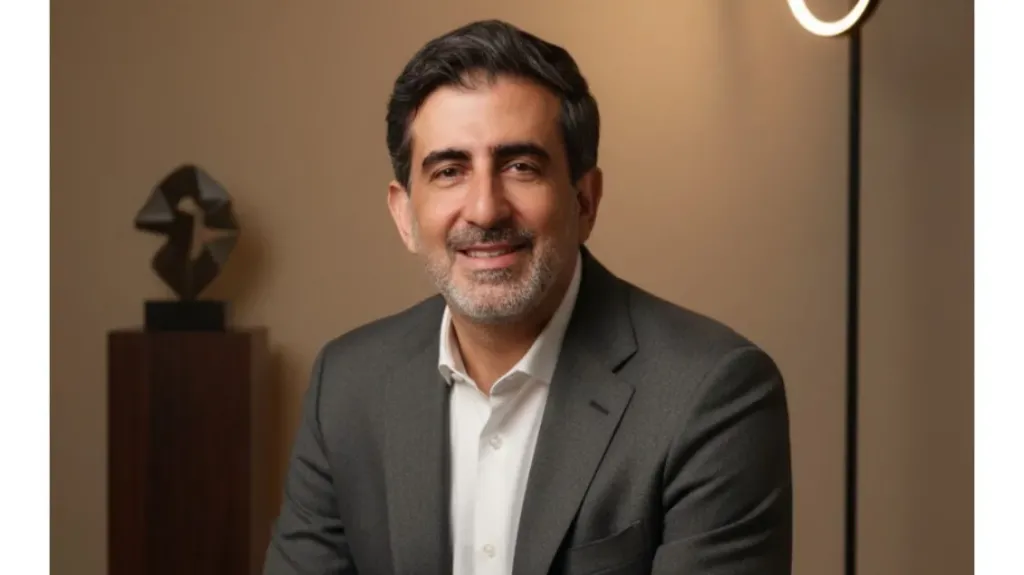
Investment entrepreneur Samer Choucair stated that integrating wellness elements into luxury homes has become one of the influential structural shifts in the global real estate market, noting that the concept of value in high end residential assets is being redefined beyond traditional standards tied to location and size to include a property's ability to enhance physical and mental health and overall quality of life.
Choucair explained that the global wellness economy is increasingly extending into the luxury real estate sector, as homes offering integrated living environments that combine architectural design, health technology and sustainability have become a new driver of demand from both investors and individuals.
Samer Choucair noted that this shift carries direct implications for real estate capital allocation decisions, requiring institutional investment portfolios to reconsider how residential assets are valued to include wellness indicators as a factor influencing risk adjusted returns, rather than merely additional elements tied to marketing.
Choucair affirmed that the shift toward making the luxury home an integrated wellness platform represents a structural development deserving close attention from institutional investors, particularly amid the continued global focus on health and sustainability and changing expectations among high net worth buyers.
Samer Choucair explained that properties offering a living environment that supports physical activity and mental balance now have greater capacity to attract long term capital, noting that this trend is not limited to cosmetic improvements but extends into development, financing and valuation models, opening the door to redirecting part of investment flows toward assets with measurable added value.
He added that this development comes amid changing spending patterns among high net worth segments, as focus gradually shifts from traditional consumption toward investing in daily quality of life, explaining that the spread of flexible work models and rising awareness of the built environment's effect on public health have made the home serve multiple functions beyond the traditional concept of housing.
Choucair added that this reality is pushing real estate developers to increase capital spending on specialized solutions, including advanced air purification systems, circadian rhythm compatible lighting, and spaces designed for physical activity and relaxation, affirming that the expected result will be greater divergence in real estate asset performance depending on the level of integration with wellness standards.
Samer Choucair explained that the main beneficiaries of this shift include the luxury real estate development sector, alongside proptech companies offering digital solutions to monitor and customize indoor environment quality according to residents' needs, in addition to companies working in sustainable materials and specialized interior design.
Choucair noted that projects relying on traditional models may face growing competitive pressure if they fail to keep pace with the new expectations of high net worth buyers and tenants, explaining that this performance divergence could create opportunities for mergers and acquisitions aimed at strengthening the technological and design capabilities of existing real estate entities.
Samer Choucair said that this trend reflects a deeper shift in the behavior of both individual and institutional investors, as the ability to provide a living environment that supports health and productivity has become a decisive factor in capital allocation decisions.
He added that sovereign wealth funds and family investment offices adopting a long term view could find in this asset class an opportunity to achieve distinguished returns backed by continuous structural demand, provided projects are built on clear economic foundations rather than temporary marketing add ons.
Samer Choucair cautioned that excessive focus on wellness features without linking them to measurable economic value could expose some projects to valuation correction risk, particularly if global wealth growth slows or buyer priorities shift.
Choucair affirmed that true success in this sector will depend on developers' ability to demonstrate the tangible impact of these features on quality of life and the property's market value over the long term.
Regarding Gulf markets, Samer Choucair explained that this global trend aligns with efforts to diversify income sources and improve quality of life within long term development strategies, noting that luxury residential and tourism projects integrating wellness elements could help attract foreign direct investment and strengthen the competitiveness of regional destinations.
Samer Choucair said that regional investors who connect this global trend with local market needs will be better positioned to identify strategic opportunities combining financial returns with positive social impact.
Choucair explained that the coming twelve months could see a potential increase in the launch of luxury real estate projects integrating advanced wellness solutions, alongside rising opportunities for collaboration and deals between real estate developers and health technology providers.
He noted that over a three to five year period, the accumulation of data and experience could lead to clearer certification standards for wellness enhanced properties, which could affect financing terms and real estate valuation methods.
Choucair added that the long term could see wellness elements in design and operation become a fundamental requirement for competing within the luxury real estate market, requiring institutional investors to develop new analytical tools that account for health and environmental impacts as a core part of risk and return assessment.
Samer Choucair concluded his remarks by affirming that the future of luxury real estate investment will depend on the ability of developers and investors to understand new shifts in consumer behavior, and to link innovation in design and technology to sustainable economic value that delivers long term returns.