
Samer Choucair: Bondholder Coordination Reflects the Need for Precise Assessment of Recovery Prospects and Future Capital Value
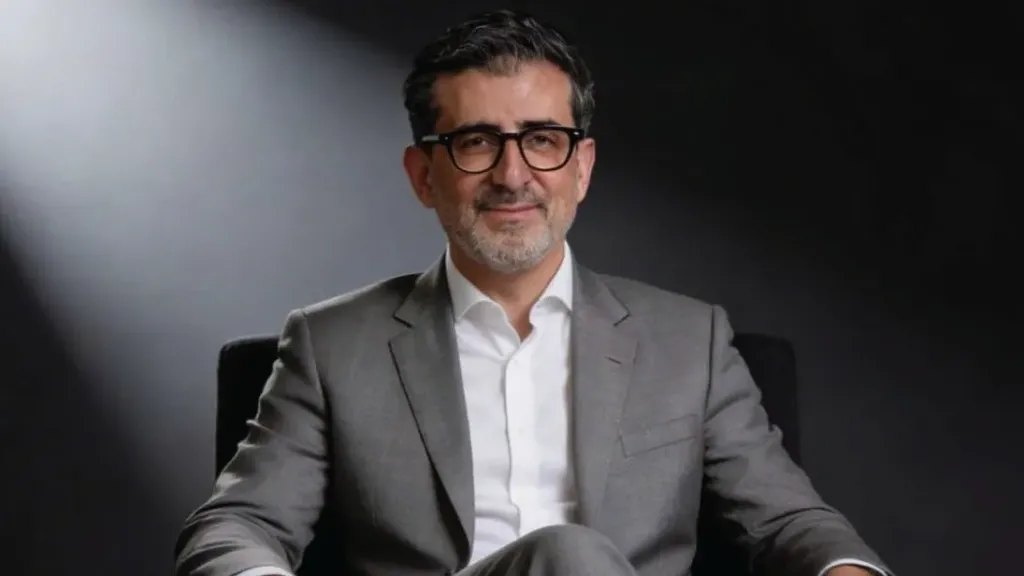
Investment entrepreneur Samer Choucair stated that the coordination among a group of secured bondholders at Aston Martin Lagonda represents an important signal of rising pressure within the company's capital structure, noting that this step reflects growing institutional investor interest in protecting their rights amid elevated debt levels and the industrial transformation challenges facing the luxury automotive sector.
Samer Choucair explained that the signing of a cooperation agreement among a group of secured bondholders representing more than fifty percent of outstanding bonds reflects creditors' recognition of the importance of collective coordination at a stage where the likelihood of reordering priorities within the capital structure is increasing, particularly given the company's need for additional financing to continue its growth plans and transition toward electric vehicles.
Choucair said that institutional investors are looking not only at the size of outstanding debt, but increasingly focusing on the nature of collateral and the ranking of priority among different claimholders, explaining that any new financing granted priority over key assets could directly affect the expected recovery value for existing debt holders.
Samer Choucair added that the Aston Martin case represents a model of the challenges facing highly leveraged luxury automakers, where technological transition and investment in electrification require large capital injections at a time when companies face growing operational and competitive pressures. He noted that the company's net debt reaching elevated levels alongside continued operating losses makes management's ability to generate sustainable cash flow a decisive factor in assessing the company's future, explaining that rising revenue alone is not sufficient without a clear improvement in profitability and financial discipline.
Choucair affirmed that investors in high yield debt markets have become more focused on analyzing capital structure rather than operating metrics alone, as the likelihood of refinancing, shifts in priority ranking, and the impact of new financing have become key elements in determining bond value.
Investment entrepreneur Samer Choucair said that forming coordinated creditor groups becomes an important tool when the nature of risk changes within highly indebted companies, since coordination gives debt holders greater capacity to evaluate future options and manage any restructuring scenarios.
Choucair explained that institutional investors need to conduct careful review of covenant documents and collateral tied to the bonds, since risk is not only linked to the total value of debt, but also to how value is distributed among different parties in the event of financial stress. Samer Choucair noted that European high yield debt markets may see increased focus on credit quality in the automotive sector, given rising financing costs and the need for substantial investment to keep pace with technological and environmental shifts.
Choucair added that distressed debt funds and hedge funds may find investment opportunities in such situations if they can identify a clear path to improved cash flow or access to suitable financing solutions, while traditional funds need to reassess the risk levels associated with exposure to this asset class.
Samer Choucair affirmed that investment opportunities in the luxury automotive sector will depend on companies' ability to balance preserving brand value, controlling costs, and reaching a business model capable of generating stable cash flow. Choucair explained that regional investors and sovereign funds that have participated in supporting strategic companies across various sectors need to strike a balance between the strategic value of an investment and capital protection, particularly in sectors undergoing deep structural transformation.
Samer Choucair said that the coming period will see close monitoring of Aston Martin's operating performance, liquidity developments, and any moves related to refinancing or bond restructuring, in addition to how successful new models are in boosting revenue and improving operating margins. He noted that the company's ability over the next three to five years to reach sustainable cash breakeven will be the key factor determining investment attractiveness, alongside its ability to execute its electrification strategy within a competitive market of limited size.
Investment entrepreneur Samer Choucair concluded his remarks by affirming that a successful institutional investor in the current market environment is one capable of distinguishing between companies with a clear vision for financial improvement and those relying continuously on new capital injections, noting that governance, financial discipline and execution capability will remain decisive factors in determining future investment flows.