
Samer Choucair: Rising Geopolitical Risk Premium Pushes Institutional Investors Toward Hedging
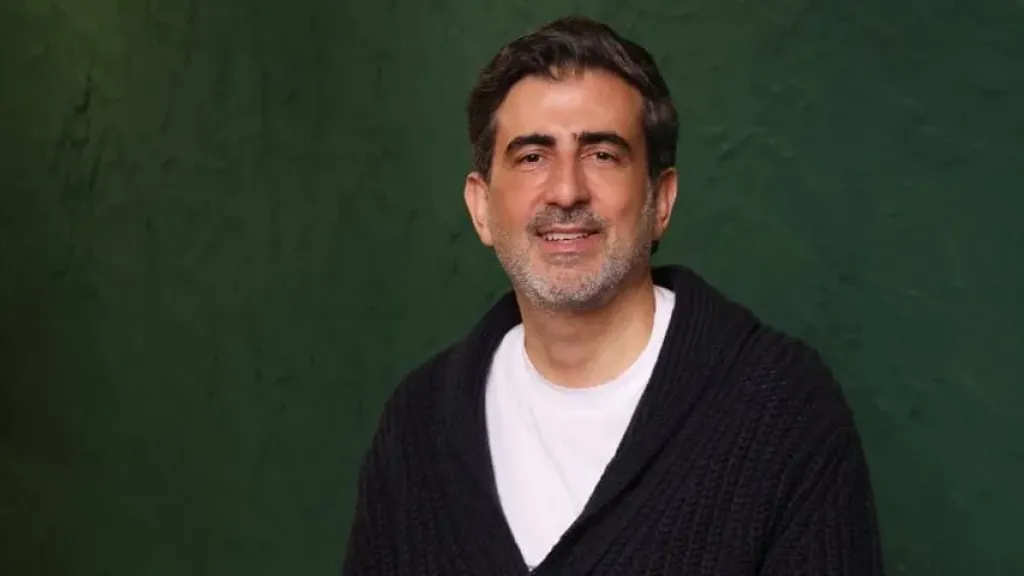
Investment entrepreneur Samer Choucair stated that ongoing US Iran tensions are raising the level of geopolitical risk in global markets, putting institutional investors in a position where they must reassess capital allocation strategies, with greater focus on risk management, hedging and portfolio diversification.
Samer Choucair explained that the military conflict between the United States and Iran, although it has not yet escalated into a full scale confrontation, continues to affect global energy markets, with uncertainty remaining a key factor in the pricing of oil, futures contracts, and insurance and shipping costs along one of the world's most important maritime corridors.
Choucair said that institutional investors and hedge funds are treating the current situation as an extended state of instability rather than a short term development, which is prompting them to shift their asset mix toward more defensive sectors, increase exposure to energy and commodities, and reduce exposure to markets and sectors most sensitive to supply chain disruptions. He added that the continuation of regional tensions is forcing asset managers to reassess risk pricing models, particularly for companies dependent on maritime trade or directly affected by energy price volatility, noting that geopolitical risk has become a core element in evaluating future cash flows.
Samer Choucair noted that the political and military messaging exchanged between Washington and Tehran in recent times reflects a continuing state of mutual pressure, explaining that markets are responding not only to current events but also to the likelihood of escalation and its potential effects on global energy supply and trade flow. He affirmed that any potential disruption to shipping or threat to oil supplies through the Strait of Hormuz would raise the risk premium in energy markets and increase hedging costs for industrial companies, airlines and maritime shipping firms.
The investment entrepreneur explained that the continuation of the current environment could support oil prices above historical averages, providing near term financial support for Gulf energy producing nations, while on the other hand potentially raising the cost of external financing for major projects and affecting the appetite of some foreign investors toward non oil sectors.
Choucair said that sovereign wealth funds and institutional investors face a complex equation at this stage, since higher oil revenues create opportunities to boost investment spending and fund strategic projects, but this does not eliminate the need for continued economic diversification efforts and the building of sustainable growth sources independent of the energy price cycle. He added that Gulf sovereign funds, led by Saudi Arabia's Public Investment Fund, have significant capacity to manage this phase by balancing the benefits of current financial conditions with a long term vision centered on economic diversification and investment in future oriented sectors.
Choucair noted that amid heightened risk, investors may increase positions in defensive assets such as energy, precious metals and high quality government bonds, alongside strengthening cash liquidity and using appropriate hedging instruments to prepare for unexpected scenarios. Samer Choucair affirmed that global defense companies may benefit from increased government spending tied to regional security, and that national oil companies in Gulf states may see financial gains from higher energy prices, while shipping companies, marine insurers and energy intensive sectors face challenges linked to rising costs.
Choucair explained that the Gulf economy can benefit from the current phase by channeling additional revenues into accelerating infrastructure, energy and technology projects, while maintaining momentum on structural reforms so that exceptional revenues do not become a factor delaying the path of economic diversification. He said that continued regional uncertainty makes long term investment partnerships more important, as international investors seek markets capable of providing institutional stability, regulatory clarity and the ability to manage geopolitical risk.
Samer Choucair noted that in the coming period, institutional investors will focus on tracking key indicators including the level of US military presence in the Gulf, any developments related to navigational security in the Strait of Hormuz, and the trajectory of political and economic relations between the United States and Iran, viewing these as influential factors in energy prices and global inflation.
Choucair explained that the next three to five years could see accelerating investment tied to energy security, alternative infrastructure and cybersecurity, as part of efforts to reduce dependence on traditional trade and energy routes and strengthen economic resilience against crises.
Investment entrepreneur Samer Choucair concluded his remarks by affirming that geopolitical tensions in the Gulf have become a structural factor in investment decisions rather than temporary events, stressing that investor success in the coming period will depend on the ability to integrate political risk analysis with capital allocation strategies and long term hedging to achieve a better balance between growth and protection.