
Samer Choucair: Investors Need More Flexible Strategies to Navigate Global Geopolitical Shifts
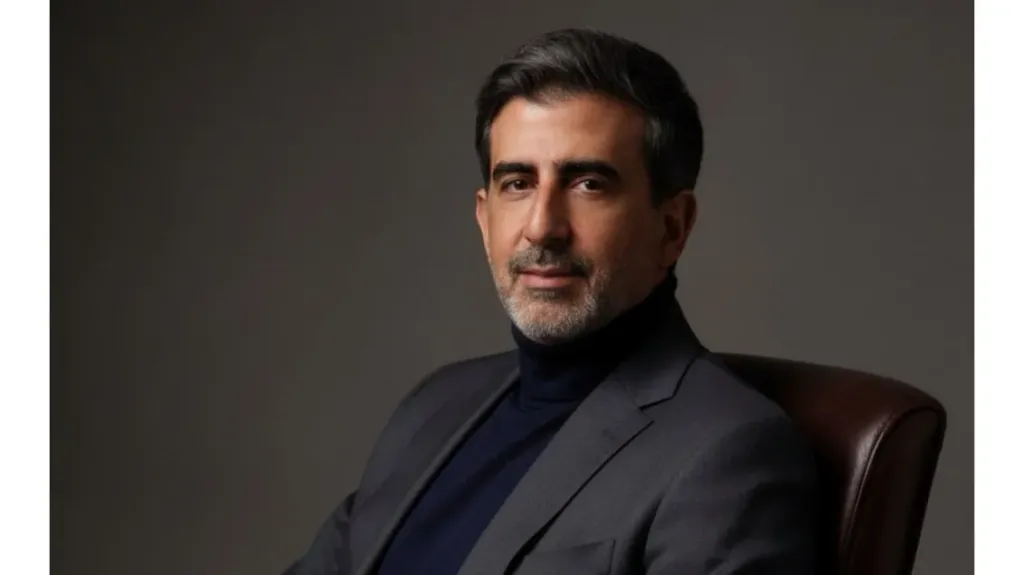
Investment entrepreneur Samer Choucair stated that escalating tensions between the United States and China are compelling institutional investors to reassess capital allocation strategies, with a growing need to focus on geographic diversification and strengthen investments in markets offering stable environments and long term structural growth opportunities.
Samer Choucair explained that recent political developments related to US China relations reflect a continuing shift in the nature of global risk, noting that geopolitical tensions are no longer an external factor separate from investment decisions but have become a core element affecting the cost of capital, foreign direct investment flows and global corporate valuations.
Choucair said that President Donald Trump's announcement on July 16, 2026 declassifying intelligence documents related to claims that China obtained personal data on roughly 220 million American voters brought renewed attention to the relationship between the world's two largest economies, explaining that differing political and intelligence interpretations of the nature of this data add to the uncertainty facing markets and investors.
Samer Choucair added that investors do not view political statements in isolation from their potential economic effects, since the shift of geopolitical rhetoric into practical policies such as new trade restrictions, tighter investment screening or expanded technology restrictions can lead to fundamental changes in global capital flows.
Choucair noted that continued US China tensions could raise the risk premium tied to Chinese assets and increase financial market volatility, particularly in the technology sector and industries dependent on complex global supply chains. He affirmed that sovereign wealth funds, pension funds, asset managers and hedge funds need to track any developments related to restrictions on advanced chip exports and dual use technologies, since such measures can affect production costs and profit margins across multiple strategic sectors.
The investment entrepreneur explained that one of the most notable shifts resulting from rising geopolitical risk is the accelerating trend among global companies to restructure supply chains and relocate part of their production to countries with political stability and a more predictable investment environment. Choucair said this trend opens opportunities for countries with advanced logistics infrastructure, the capacity to attract industrial investment, and a qualified workforce, noting that the coming period could see a geographic redistribution of global manufacturing capacity.
Samer Choucair added that Gulf Cooperation Council countries hold a strategic opportunity to benefit from these shifts, given their economic stability, substantial financial capacity and geographic position linking major markets, alongside economic diversification plans that support the development of manufacturing, logistics, energy and advanced technology sectors.
Choucair noted that Saudi Arabia, through Vision 2030, is building an investment ecosystem capable of attracting global investment across diverse sectors, explaining that special economic zones and public private partnerships can play an important role in offering competitive alternatives for companies seeking stable production bases. Samer Choucair affirmed that sovereign wealth funds in the region, led by the Public Investment Fund, have the capacity to support infrastructure projects and strategic investments aligned with major shifts in the global economy, strengthening the Gulf's position as an investment hub capable of benefiting from the reshaping of supply chains.
Choucair stressed the importance of institutional investors conducting periodic stress tests on their portfolios to measure the impact of potential scenarios, including rising input costs, supply chain disruptions or shifting trade policies between major economic powers. He explained that risk management in the coming period requires combining geographic diversification, operational flexibility and the selection of companies with a genuine ability to adapt to political and economic change.
Samer Choucair said that over the next 12 months, markets will watch closely whether US political rhetoric translates into clear executive action, whether through new tariffs, investment restrictions or additional measures tied to technology and supply chains. He added that the next three to five years could see continued global redistribution of industrial and technological capacity, benefiting countries that offer a stable investment environment and long term strategic partnerships.
Investment entrepreneur Samer Choucair concluded his remarks by affirming that the current phase requires investors to focus on building portfolios more resilient to volatility, while maintaining financial flexibility to seize opportunities emerging in stable and growing economies, noting that the ability to manage geopolitical risk will become a key factor in determining the success of investment strategies in the period ahead.