
Samer Choucair: Artificial Intelligence Enters a New Phase of Global Capital Redistribution
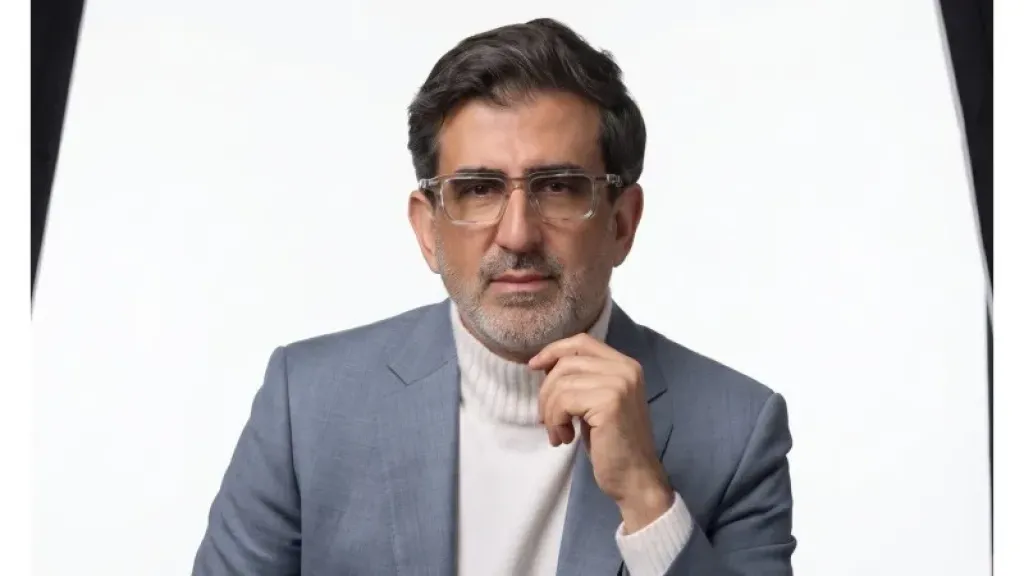
Investment entrepreneur Samer Choucair stated that the launch of Kimi K3 by Chinese startup Moonshot marks an important milestone in the evolution of the global artificial intelligence market, noting that the model's significance goes beyond being a new technical advancement, reflecting instead a strategic shift in the nature of competition and how value, risk and capital flows are distributed within the technology sector.
Samer Choucair explained that the model, which contains approximately 2.8 trillion parameters and was introduced as the largest open weight AI model in the world, reflects the rapid pace of change in the global AI landscape and the growing ability of open models to approach the performance of advanced closed models while offering companies and developers greater flexibility in customization and lower operating costs.
Choucair said that recent developments confirm that competition in the AI sector no longer depends solely on possessing the greatest technical capabilities, but has become tied to the ability to build scalable economic models that deliver practical value to users and businesses while effectively managing regulatory and geopolitical challenges. He added that the launch of Kimi K3 comes at a time of major shifts in the AI market, particularly amid escalating regulatory and technological restrictions between the United States and China, which is reshaping the global competitive landscape and prompting investors to reassess their strategies toward AI related companies and platforms.
Samer Choucair noted that open weight models could be a key factor in accelerating the adoption of AI applications across multiple sectors, given their ability to let companies develop customized solutions at lower cost compared to closed models that rely on more limited operating and pricing systems. Choucair affirmed that this shift could pressure the current business models of some AI companies that depend on high pricing for closed services, while opening new opportunities for companies offering integration services, infrastructure and application solutions built on these models.
The investment entrepreneur explained that the greatest impact of this development will appear in the digital infrastructure sector, as expanding use of AI models drives higher demand for data centers, energy, networks and computing services, noting that digital infrastructure backed by competitive energy sources will become one of the most important drivers of investment value in the coming years.
Choucair said that countries and regions with the ability to supply energy, develop digital infrastructure and offer a flexible regulatory environment will be well positioned to benefit from the new wave of AI investment, noting that the Gulf region has significant opportunities to develop its role as a global hub for digital infrastructure serving the needs of different markets.
He added that institutional investors, sovereign wealth funds and pension funds need to reassess their exposure to the AI sector by focusing on geographic diversification, strong governance, and selecting partnerships capable of adapting to rapid political and regulatory change. Choucair noted that future investment opportunities will not lie only in developing the models themselves, but also in the application layers and services that build on these models, such as automation solutions, specialized software, industrial services and platforms that help companies achieve higher productivity.
Samer Choucair explained that the Gulf region can benefit from this phase by boosting investment in data centers, renewable and conventional energy, and digital services, while maintaining a balanced strategy based on diversifying international partnerships and avoiding reliance on a single technological path. Choucair affirmed that managing geopolitical risk has become a core element of investment decisions related to artificial intelligence, stressing the importance of investors studying the regulatory environment, supply chains and business sustainability before committing capital to this sector.
Choucair said that the coming months and years will see growing competition between open and closed models, which could accelerate the reduction of AI usage costs and expand the scope of its applications across various economic sectors. He added that indicators investors should monitor in the coming period include actual adoption rates of open models, regulatory changes in major markets, and capital expenditure levels among cloud computing companies and digital infrastructure providers.
Samer Choucair concluded his remarks by affirming that the next phase of artificial intelligence will reward investors who combine technical understanding with economic vision and geopolitical analysis, explaining that true value will lie not only in owning the technology, but in the ability to convert it into sustainable and scalable economic solutions.