
Samer Choucair: Aabar”s Syria Investments Test Gulf Capital”s Ability to Lead Reconstruction
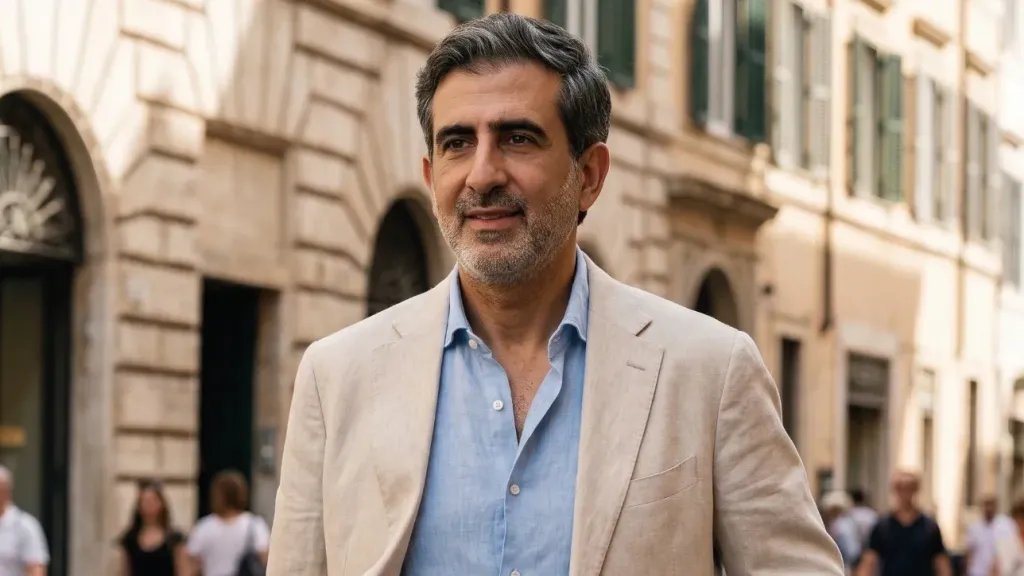
Investment entrepreneur Samer Choucair stated that investment plans tied to potential real estate and tourism projects in Syria represent an important test of Gulf capital's ability to enter reconstruction markets and convert development opportunities into long term economic assets, noting that the success of these projects depends on a stable investment environment and clear regulatory and financing frameworks.
Choucair explained that the shift of Gulf investors toward markets with high growth potential reflects a change in capital allocation strategies, as investment funds seek opportunities that combine potential returns with economic impact, particularly in real estate, tourism, infrastructure and related services.
He noted that Gulf investors' experience in markets such as Serbia, Egypt, Bahrain and Georgia has shown that integrated real estate development models can create economic value beyond the project itself, by stimulating construction, tourism and trade sectors and creating jobs, though transferring these models to new markets requires careful assessment of political and operational risk.
Samer Choucair added that major projects during reconstruction phases can offer attractive opportunities for long term capital, but require clear governance standards, defined implementation phases and flexible financing mechanisms to ensure a balance between investment ambitions and the economic reality of the target market.
Choucair affirmed that any large scale investment in Syria will draw the attention of institutional investors, as an indicator of the region's ability to attract foreign capital, though investment decisions will remain tied to the progress of economic reforms, the development of the legal environment, and the durability of stability.
He pointed out that partnership models between investors and local entities can play an important role in reducing risk and strengthening community acceptance of major projects, noting that involving local parties in the ownership and operation of projects supports their long term sustainability.
Choucair explained that potential opportunities in Syria are not limited to real estate development, but extend to tourism, logistics, energy and reconstruction related industries, making it part of the broader shift in the regional investment map.
Samer Choucair concluded by affirming that the coming period will require investors to focus on execution quality and financial discipline, explaining that emerging markets offer exceptional opportunities when paired with a long term vision and effective risk management, and that the success of any reconstruction project will depend on its ability to create sustainable economic value rather than simply the scale of the announced investment.