
Samer Choucair: Europe’s Heatwaves Are Redrawing the Infrastructure Investment Map
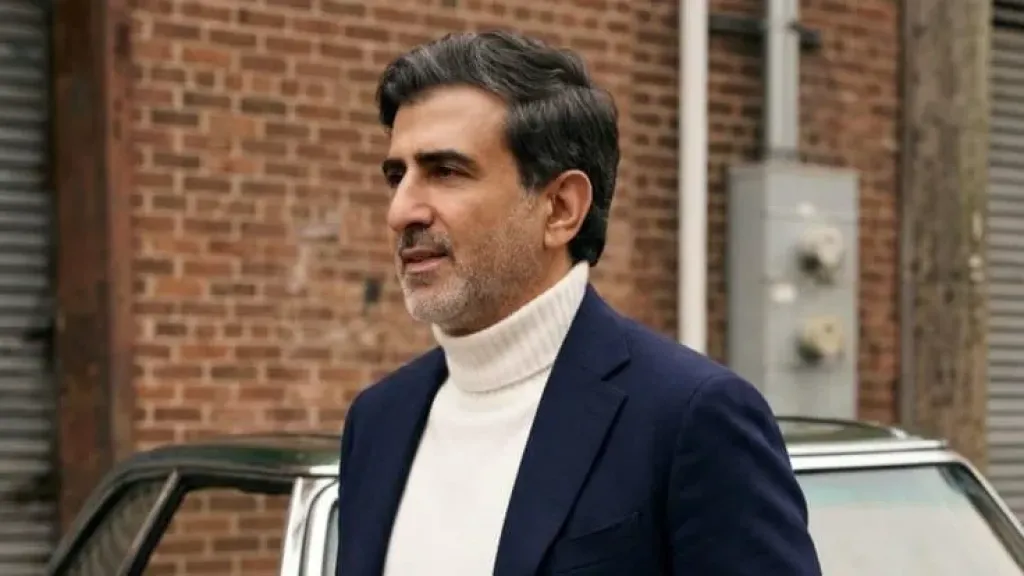
Europe is experiencing a growing impact from heatwaves across transportation, energy, and infrastructure, prompting governments and companies to redirect capital toward projects capable of adapting more effectively to climate change.
Entrepreneur Samer Choucair said these developments send a clear message to investors about the need to integrate climate-related risks into capital-allocation decisions, particularly as long-term assets face increasing environmental pressure.
Choucair explained that rising temperatures in recent years have increased the cost of maintaining railway networks, roads, and electricity grids.
They have also encouraged many European countries to accelerate infrastructure-modernization plans using artificial intelligence, predictive monitoring systems, drones, and heat-resistant materials to reduce disruptions and improve operational efficiency.
Samer Choucair added that climate adaptation is no longer merely an environmental obligation. It has become an important economic factor affecting the valuation of companies and assets.
Institutional investors, pension funds, and sovereign wealth funds are increasingly prioritizing companies capable of delivering solutions that strengthen infrastructure resilience and long-term sustainability.
Entrepreneur Samer Choucair noted that increased capital expenditure on upgrading transportation and energy networks may place temporary pressure on the profit margins of certain operators.
However, it also creates promising opportunities for technology companies and advanced-materials manufacturers, particularly those developing solutions for intelligent maintenance, improved network efficiency, and greater protection against extreme weather conditions.
Choucair emphasized that Europe’s experience offers important lessons for Gulf countries and Saudi Arabia as they implement major strategic projects under Vision 2030.
Smart monitoring technologies and heat-resistant materials can be integrated during the earliest design stages, helping reduce operating and maintenance costs over the long term.
Concluding his remarks, Samer Choucair emphasized that investment in climate resilience should no longer be viewed as defensive expenditure.
It has become a strategic investment that enhances the economic value of assets, and companies capable of transforming climate-related challenges into competitive advantages will be among the most attractive destinations for capital in the years ahead.